
Review · GUIDED
13-Day Iceland Geology Adventure Guided Tour from Reykjavík
Iceland reads like a field notebook. This 13-day geology adventure uses real Iceland spots as your class, from spreading tectonic plates to active volcanoes and glacier ice. Small-group pacing, led by Dr. Tamie Jovanelly and Joey Cook, turns the island into a hands-on story you can actually see.
I love how the trip is built around plate tectonics and volcanoes without requiring a geology background. I also love the mix of big-ticket natural sights and active add-ons, like a glacier-top hike in Skaftafell and a guided visit to a lava tube at Vatnshellir.
One consideration: this is not a sit-and-stare vacation. Days are full and outdoors, and the experience depends on good weather, so you need flexibility and stamina for long drives and field-style time.
In This Review
- Key highlights to look forward to
- What makes this Iceland geology tour different
- Price and value: what $9,200 covers
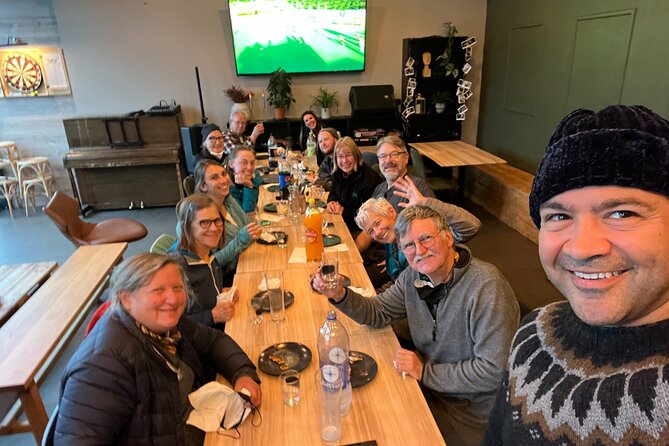
- Day 1 in Reykjavik: setting the tone with meet and greet
- Day 2: Blue Lagoon and a look at very recent volcanism
- Day 3: Geothermal energy, plate boundaries, and scoria at Stampar
- Day 4: Thingvellir tectonics, Gullfoss power, and Geysir heat
- Day 5: Lava Centre learning and Hekla’s shadow
- Day 6: Skaftafell National Park glacier hike plus a wine and cheese reset
- Day 7: Iceberg lagoons and the classic Diamond Beach show
- Day 8: Dettifoss and columnar basalt exposed
- Day 9: Hverfjall explosion crater, pseudocraters, and Dimmuborgir
- Day 10: A free day in Akureyri
- Day 11: Stykkishólmur and the Water Museum’s glacier message
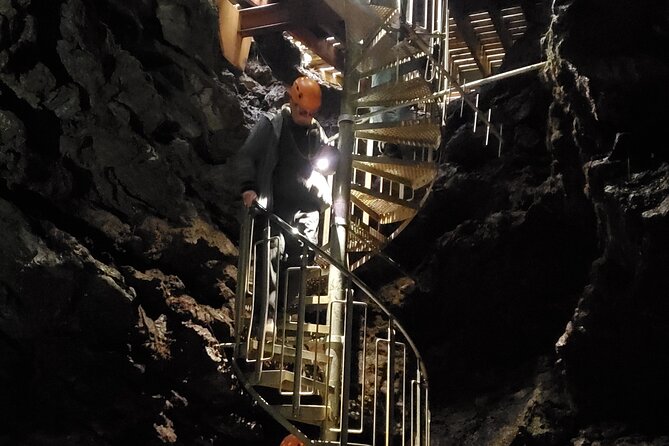
- Day 12: Snæfellsnes views, Vatnshellir lava tube, and Snaefellsjökull
- Day 13: Reykjavik wrap-up
- Who this tour is best for (and who should think twice)
- Practical notes that affect your experience
- Should you book it?
- FAQ
- Is a geology background required for this tour?
- Who leads the tour?
- How big is the group?
- What parts of the trip are included in the price?
- Are there active experiences?
- Is the Blue Lagoon included?
- Do you get a free day?
- What happens if weather is poor?
- Where does the tour start and end?
Key highlights to look forward to
- Dr. Tamie Jovanelly and Joey Cook guide the science in plain language
- Small group size, up to 16 people, so you get real interaction
- Excursion fees included, meaning fewer surprise line items later
- Active geology moments, including a 3-hour glacier hike and a lava cave tour
- A whole-day sweep of Iceland, from Reykjavik to the north and back toward Snæfellsnes
- Plenty of built-in payoff stops, from Blue Lagoon to Dettifoss and Jökulsárlón
Other Reykjavik outings that keep coming up in our notes
What makes this Iceland geology tour different
This trip is built for people who want to understand why Iceland looks the way it does. You are not just visiting famous names on a map. You are learning the mechanisms behind them, using places where the evidence is right there in the rocks, the cracks, and the ice.
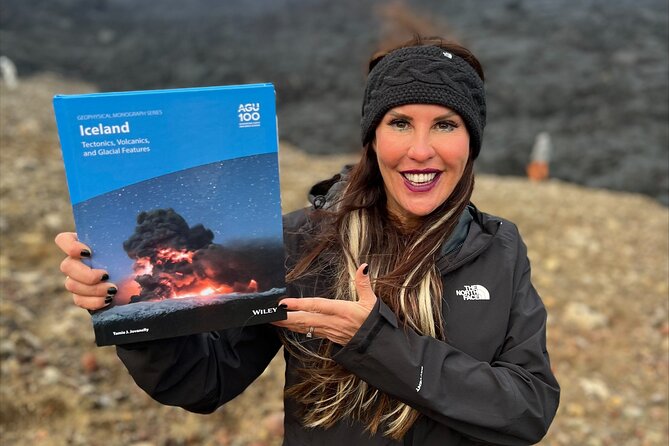
The real difference is the leadership. Dr. Tamie Jovanelly wrote a geology field guide on Iceland’s tectonics, volcanics, and glacial features, and she has been leading trips and researching Iceland since 2006. Her husband, Joey Cook, co-leads the experience too. The result feels like a field course, but with friendly momentum, not stuffy lectures.
And the tour’s design matters for your day-to-day experience. Most major excursions are included in the price, and the group stays small, capped at 16. That makes it easier to hear explanations, move efficiently, and keep the pacing from feeling like cattle-line sightseeing.
Price and value: what $9,200 covers
At $9,200 per person for about 13 days, this is a serious spend. The value is not in a single attraction. It is in how the itinerary is assembled and what is included.
Here’s where the math starts to make sense:
- Many excursion fees are included in the tour price, so you are not paying separately for multiple major stops.
- You get an expert-led geology focus all the way through, instead of short “stop-and-smile” explanations.
- The schedule includes active experiences (glacier hike, cave tour), not just viewpoint pulls.
- You get small-group dynamics with a maximum of 16 people, which usually means better access to questions and more time at key sites.
The one trade-off is that you are buying a geology-forward route. If what you want most is free time, nightlife, or deep culture, you may feel the focus leans toward rocks, heat, ice, and plate movements.
Day 1 in Reykjavik: setting the tone with meet and greet
You start in Reykjavik at Gistiheimilið SunnaÞórsgata 26, with a 7:00 am start. Day 1 is about getting your bearings, then gathering as a group for a meet and greet and a group dinner.
Why this matters: it is a social warm-up before the science gets intense. By the time you head out, you are already settled into the group rhythm and ready for early days ahead.
Practical note: the tour ends back at the meeting point in Reykjavik, so the start and finish are anchored and easy to understand.
- Reykjavik: Golden Circle Full-Day Tour with Kerid Crater★ 4.8 · 24,485 reviews
- Reykjavik Food Walk – Local Foodie Adventure in Iceland★ 5.0 · 18,952 reviews
- Reykjavík: South Coast Waterfalls, Black Sand & Glacier Tour★ 4.8 · 11,030 reviews
- Reykjavík: Whale Watching and Marine Life Cruise★ 4.6 · 9,838 reviews
- Reykjavik: Sky Lagoon Entrance Pass With 7-Step Spa Ritual★ 4.8 · 6,166 reviews
Day 2: Blue Lagoon and a look at very recent volcanism
Day 2 gives you a smart jet-lag buffer. You head to the Blue Lagoon in the afternoon with admission included, and the schedule leaves time to relax and get adjusted.
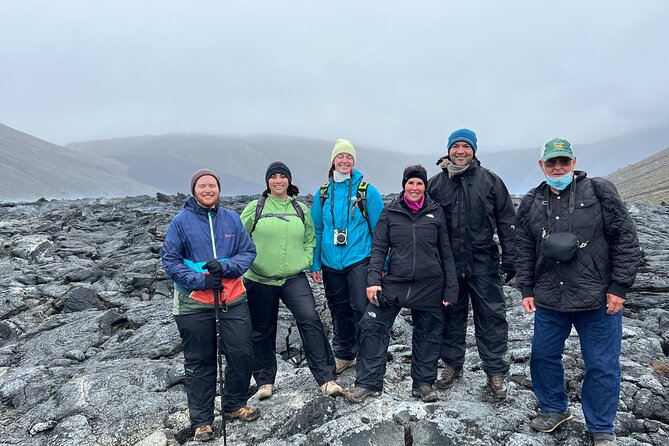
Then you shift from comfort to fire with Fagradalsfjall Volcano. The point here is timing. Iceland’s story is not only ancient rocks. It is also ongoing activity, and this stop is designed to show you the newest volcanic chapter. The visit is short, but it is built around explanation rather than simply staring.
If you like your vacation to have a clear mood shift, this day nails it: soak first, then learn how the ground can still be changing.
Day 3: Geothermal energy, plate boundaries, and scoria at Stampar
Day 3 mixes human-scale science with classic Iceland geology.
- At Hellisheidi, you visit the power plant to learn about geothermal energy and carbon capture projects. That is a rare pairing for a scenery-heavy trip. It connects the geology to modern technology and policy.
- Next comes the Bridge Between Continents, a visual separation between the North America and Eurasian plates. This is the kind of stop that makes plate tectonics feel less abstract.
- Then you see Stampar, a scoria crater field, which is a nice change of pace from the more famous national park stops.
You also get a look at one of Iceland’s largest and deepest lakes, described as sitting along a fissure. Even without a named landmark here, the takeaway is clear: the rift system is not just a line on a map. It shapes where water collects too.
The main consideration on Day 3 is stamina. You are moving through multiple conceptual zones, so you want to stay focused and take the brief stops seriously. This is not the day to mentally check out.
Day 4: Thingvellir tectonics, Gullfoss power, and Geysir heat
Day 4 is one of the best “why Iceland works” days.
- Thingvellir National Park gets top billing. You learn how the plates are spreading apart and how that shaped Viking settlements. This is where geology meets human history in a practical way, not a vague story.
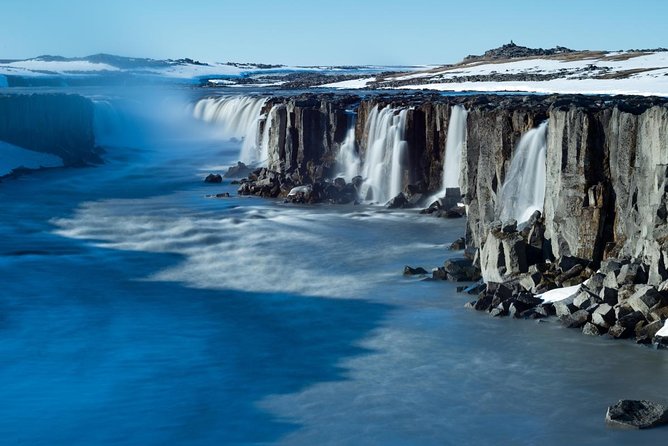
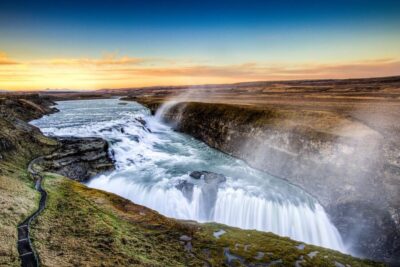
- Gullfoss follows, one of Europe’s largest waterfalls. Waterfalls here are not just pretty. They also help you understand how landscapes evolve and how rock layers behave.
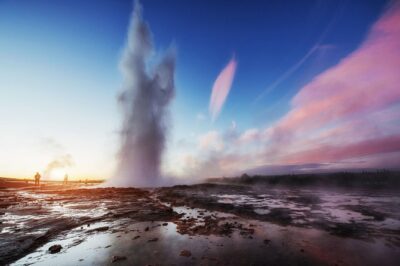
- Then Geysir brings the heat back. The stop is framed around geothermal energy and the boiling hot spots.
This day works for you whether you are a beginner or already have geology curiosity. If you are new, the stops are iconic. If you are experienced, the sequence gives you a useful framework: rift setting, then erosion and water flow, then geothermal activity.
Day 5: Lava Centre learning and Hekla’s shadow
Day 5 starts at the Lava Centre, a new and interactive museum with a short time window. The point is to give you a foundation for what you will see next.
Then you move to Volcano Hekla. The framing is that you learn about this active volcano in a setting that highlights its role in Iceland’s volcanic story. The visit is brief, but the idea is to see Hekla as a living piece of the island’s system.
This is also a good day for people who like structure. It is a “teach, then go” flow: museum first, volcano second.
Day 6: Skaftafell National Park glacier hike plus a wine and cheese reset
Day 6 is where the trip turns physically memorable.
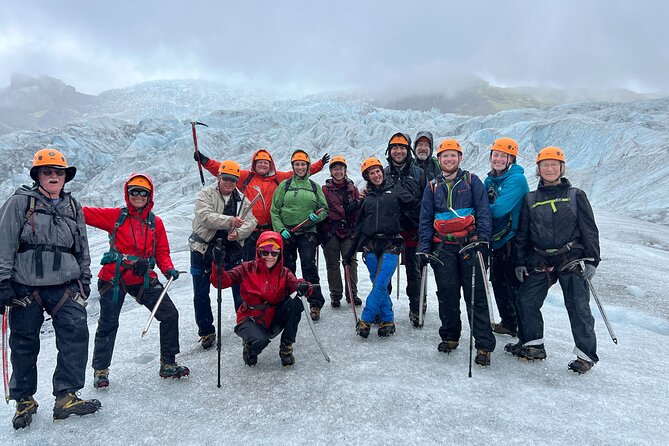
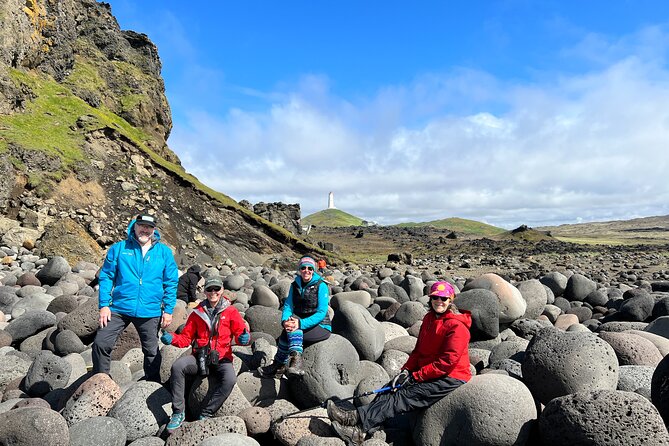
You go to Skaftafell National Park for a guided hike on top of a glacier, scheduled as a 3-hour experience with admission included. That is the kind of active geology work you cannot fake with photos. You are literally walking on the ice while learning how glacier features form.
After the hike, you get a wine and cheese reception waiting for you for about an hour. It is a small detail, but it matters. It gives you a warm reset after time in cold conditions and turns a tough field moment into a shared celebration.
If you hate long walks, you might want to reconsider. If you like having at least one big physical highlight in your trip, this is it.
Day 7: Iceberg lagoons and the classic Diamond Beach show
Day 7 is built around ice, water, and how glaciers deliver their leftovers.
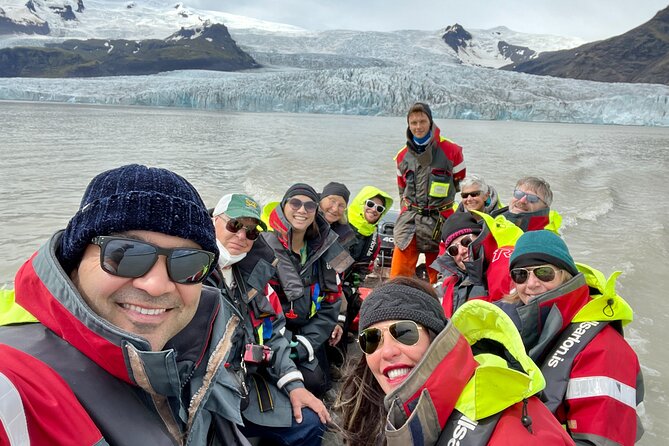
- First you visit Fjallsárlón Iceberg Lagoon for a 2-hour stop, framed as a different view of the glacier from the water.
- Then you hit Diamond Beach. The key detail is where the icebergs end up after reaching shore.
- Finally you go to Jokulsárlón, another 2-hour visit with stunning icebergs, seal viewing, and a stop that is also good for birders. There are food vendors, and hot dogs are specifically noted.
This is a long visual feast day. The best way to enjoy it is to slow down mentally. Let the guides connect the ice to the glacier systems behind it, then let your eyes do the rest.
The potential downside is that this is the kind of day that can feel crowded if you rush. The tour’s small group helps, but you still benefit from paying attention and taking your time.
Day 8: Dettifoss and columnar basalt exposed
Day 8 is a powerhouse.
At Dettifoss, you see a massive waterfall with a geology twist: it exposes columnar basalt. That is one of those natural “textbook pages” where the rock shows its structure in a way you can actually recognize.
The schedule gives you about 2 hours here. With that time, you can get both the awe of the scale and the mental picture of how basalt can form in column-like structures.
Day 9: Hverfjall explosion crater, pseudocraters, and Dimmuborgir
Day 9 is north Iceland in full geology mode.
- Hverfjall is an impressive explosion crater, with a 1-hour stop.
- Skutustaoagigar (spelled Skutustaðagígar in Icelandic forms) focuses on pseudo craters and how those formations affected the Vikings. The “pseudo” part is important: this is a place where the guides can explain a story that is not always what people assume at first glance.
- Then Dimmuborgir Lava Formations comes with a 2-hour guided tour, and the origin is described as debated.
Why I like this mix for you: it keeps the trip from becoming a checklist of obvious sights. Instead, it pushes you to think. Even if you never plan to do a geology degree, learning why there can be debate helps you understand how science works.
Day 10: A free day in Akureyri
Day 10 gives you real breathing room with Akureyri as a stop and a free day feel.
This is where you can rest, shop, go whale watching, do birding, or choose something else at your pace. The schedule notes options like those, so you can aim your free time without guessing.
This day is not just downtime. It also helps you absorb the previous week, which was heavy on field-style experiences.
Day 11: Stykkishólmur and the Water Museum’s glacier message
Day 11 is a quieter, more reflective stop in Stykkisholmur, tied to an art installation at the Water Museum.
The focus is on glaciers, past and present. Even though this is not a rock-formation stop in the same way as a crater or basalt waterfall, it fits the theme of the tour: how ice and water connect to Iceland’s geology and change over time.
Day 12: Snæfellsnes views, Vatnshellir lava tube, and Snaefellsjökull
Day 12 turns to the west.
- At Snæfellsnes, the plan is to catch views of this stratovolcano if skies are clear, with a 2-hour stop. Clear weather matters here, because visibility is part of the experience.
- Then you explore Vatnshellir Lava Cave for about 2 hours, learning about lava tube formation.
- Finally, you visit Snaefellsjökull National Park and Glacier for 2 hours.
The value of ending on this kind of sequence is that you close the loop. You have seen rifts, heat, explosive and recent volcanism, glacier systems, and basalt exposure. Now you see a lava tube and a national park tied to glacier ice and a major stratovolcano.
This is also a reminder that the trip is not only about the loud stops. Caverns and parks matter too.
Day 13: Reykjavik wrap-up
On Day 13 you return to Reykjavik, with about 1 hour of time to explore before departure. It is a simple finish, but it gives you one last chance to pick up something small, stretch your legs, or just enjoy the city after a geology marathon.
Who this tour is best for (and who should think twice)
This Iceland geology tour makes a lot of sense if:
- you want to understand plate tectonics, volcanics, and glacial features
- you like guided learning that stays practical and visual
- you want active experiences built into the schedule
- you are okay with being outdoors and moving between multiple major sites
It is also friendly to beginners. The tour explicitly says a geology background is not necessary, and it fits “most travelers” who can participate. If you are already a geology person, the structure helps because the stops are tied into a field-guide style framework.
Think twice if you prefer a slower pace with lots of leisure time every day, because this route is packed with major sites, and the day length plus early starts can feel intense.
Practical notes that affect your experience
A few details from the tour design shape how it feels in real life.
- Group size: capped at 16, which usually keeps the experience from getting chaotic.
- Weather dependence: the experience requires good weather. If it is canceled due to poor weather, you are offered a different date or a full refund.
- Timing: a 7:00 am start means you will be awake early more often than you might be used to.
- Tickets: it uses a mobile ticket, and confirmation comes within 48 hours subject to availability.
- Support: service animals are allowed, and the activity is listed as near public transportation.
Should you book it?
If you want Iceland with a science spine, this is an easy yes. Dr. Tamie Jovanelly and Joey Cook are the heart of the trip, and the itinerary is designed around evidence you can see, not just slogans you can repeat later. The included excursions and the small-group cap are big parts of the value, especially because the tour also includes active geology experiences like the glacier-top hike and lava cave visit.
Book this if you will enjoy learning by watching, and you can handle a full, outdoors-heavy schedule. Skip it if you mainly want relaxation and short sightseeing blocks, because the whole point here is “fire and ice” learning with momentum.
FAQ
Is a geology background required for this tour?
No. The tour states that a geology background is not necessary to participate, and it is designed for people interested in learning how Iceland’s landscapes formed.
Who leads the tour?
The tour is led by Dr. Tamie Jovanelly and her husband, Joe Cook (also referred to as Joey Cook).
How big is the group?
The tour has a maximum group size of 16 travelers.
What parts of the trip are included in the price?
The tour notes that many excursion fees are included, and it also lists specific stops with admission tickets marked as included.
Are there active experiences?
Yes. The itinerary includes a guided hike on top of a glacier in Skaftafell National Park (3 hours), and it also includes a guided lava cave visit at Vatnshellir (2 hours).
Is the Blue Lagoon included?
Yes. Day 2 includes the Blue Lagoon with an admission ticket marked as included.
Do you get a free day?
Yes. Day 10 includes Akureyri as a free day where you can rest, shop, go whale watching, birding, or choose other options.
What happens if weather is poor?
The experience requires good weather. If it is canceled due to poor weather, you will be offered a different date or a full refund.
Where does the tour start and end?
It starts at Gistiheimilið SunnaÞórsgata 26, 101 Reykjavík, Iceland and ends back at the same meeting point in Reykjavík.
More Guided in Reykjavik

More Tours in Reykjavik
More Tour Reviews in Reykjavik
More Reykjavik write-ups from our desk
- Private Transfer from Reykjavik to Reykjavik Airport KEF by Sedan
★ 5.0 · 3 reviews - Northern Lights in Mini Bus, Photos, Hot Cocoa and Pastries
★ 5.0 · 3 reviews - Exclusive Westman Islands Adventure – A Private Day Tour
★ 5.0 · 3 reviews - Private South Coast tour with Glacier walk
★ 5.0 · 3 reviews - Borgarfjörður
★ 4.5 · 3 reviews - SOUTH COAST : The Discovery
★ 5.0 · 3 reviews
Guided, compared.
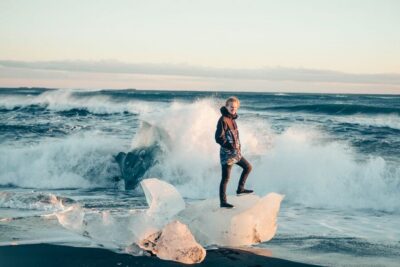 ★ 4.7Reykjavik: Jokulsarlon Glacier Lagoon Full-Day Guided TripFrom $2033,302 reviews
 ★ 4.6Húsavík: Whale Watching Tour with GuideFrom $1152,761 reviews
 ★ 4.2Reykjavik: Whale Watching Tour with Expert GuideFrom $902,307 reviews
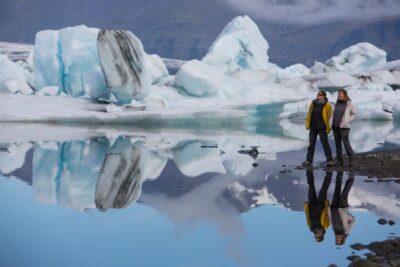 ★ 4.2Jökulsárlón: Vatnajökull Ice Cave Guided TourFrom $1642,046 reviews
 ★ 4.5The Golden Circle Guided Bus Tour from ReykjavikFrom $881,726 reviews
 ★ 4.8From Reykjavik: Best of Golden Circle Guided TourFrom $791,646 reviews
 ★ 4.9Reykjavik: Guided Foodie Walking Tour with 6 TastingsFrom $1421,645 reviews
 ★ 4.0Northern Lights Guided Bus Tour from ReykjavikFrom $731,183 reviews