
Review · 7-DAY EXPERIENCES
7 Day Around Iceland Tour- PRIVATE TOUR
A private circle trip makes Iceland feel manageable. This weeklong route stacks major sights, from Thingvellir history to the icebergs at Jökulsárlón, with a private guide and pickup so you avoid the rental-car grind. Two things I especially like are the all-in logistics, plus the way the schedule mixes iconic stops with smart local details. The one drawback to plan for is the price, at $11,101.77 per person, which only feels fair if you truly want to pay for comfort and a driver up front.
You’ll also like the rhythm: each morning starts early, and most days are built around big outdoors moments rather than sitting in a car with nothing to show for it. You get six nights in local hotels or guesthouses with daily breakfast, while dinner stays on you (lunch is included on day 1, then you can buy lunch as you go). Expect a packed, high-output week, and note that some activities are seasonal, like ice caves in winter.
In This Review
- Key things to know before you go
- Price and logistics: what $11,101.77 per person is really buying
- The Golden Circle start: Thingvellir, Geysir, Gullfoss, and Fridheimar
- Seljalandsfoss to Skógafoss: walking behind waterfalls and chasing meltwater
- Sólheimajökull and the Katla connection: glaciers as volcano neighbors
- The South Coast finale before Vatnajökull: Dyrhólaey and Reynisfjara
- Skaftafell and Fjaðrárgljúfur: Vatnajökull time and a canyon break
- Jökulsárlón and Fjallsárlón: iceberg lagoons and Diamond Beach time
- Winter ice caves or summer Langjökull tunnel: how your season changes the ice
- Eastfjords detour and waterfall hikes: Djúpivogur, Hengifoss, and Litlanesfoss
- Lake Mývatn region: Dettifoss, Námaskarð, Krafla, and Dimmuborgir
- Myvatn Nature Baths and Goðafoss: a needed reset
- Snæfellsnes Peninsula highlights: Kirkjufell, Djúpalónssandur, Vatnshellir, and Arnarstapi
- Into the Glacier and Western Waterfalls: Húsafell to Hraunfossar and Barnafoss
- Who this private tour suits best
- Book it or skip it? My honest take
- FAQ
- What time does the tour start?
- Is pickup offered?
- How many nights of lodging are included?
- Are lunches and dinners included?
- Are entrance fees included?
- Is this a private tour?
- Are there seasonal activities on this itinerary?
- What happens if weather is bad?
Key things to know before you go
- Private guide, private pacing: only your group participates, so you can slow down for viewpoints and ask questions.
- No car rental stress: private transportation and pickup keep the week focused on sights, not logistics.
- Geothermal and glacier heavy: you’ll see active hot spots, plus outlet glacier ice and calving-lagoon views.
- Meals are simple, not all-inclusive: breakfast is included, dinner is not, and lunches work as on-the-go purchases.
- Seasonal add-ons can change the ice plan: winter can add natural ice caves, and summer can swap in Into the Glacier.
- Weather matters: the operator states good weather is required for the experience.
Longer loops around the island, for trips measured in days
Price and logistics: what $11,101.77 per person is really buying
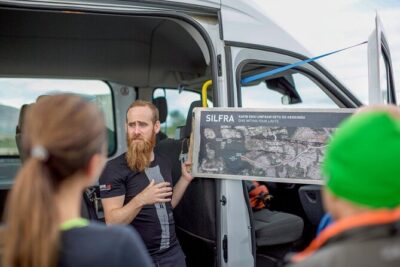
Yes, the number looks huge. But for that per-person price, you’re not just buying seats on a bus, you’re buying a full private setup: tour guide, private transportation, hotel or guesthouse stays with breakfast, and entrance included for the sights and activities listed (with extras potentially separate).
Here’s the practical way I’d think about the value. If you self-drive, you pay for the rental car, gas, time, and the constant decisions about where to park, when to turn around, and how to handle weather changes. This tour removes most of that. If your group includes anyone who hates driving in Iceland’s conditions, the money starts to look less crazy.
The other real consideration is that private tours like this run on timing. You’ll cover a lot of ground in a short window, so you should be ready for long days and quick transitions between stops.
The Golden Circle start: Thingvellir, Geysir, Gullfoss, and Fridheimar
Most around-Iceland trips are a blur. This one tries to give you meaning early, starting with Thingvellir (Þingvellir), the site where Iceland’s first parliament was established in 930. It’s a World Heritage Site since 2004, and you’ll also walk to Öxarárfoss waterfall, with the day built around a mix of geology and Icelandic identity.
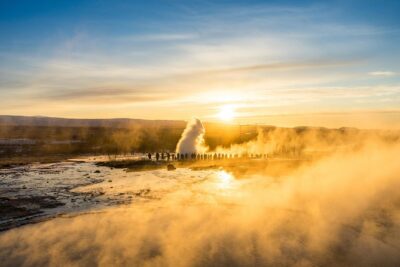
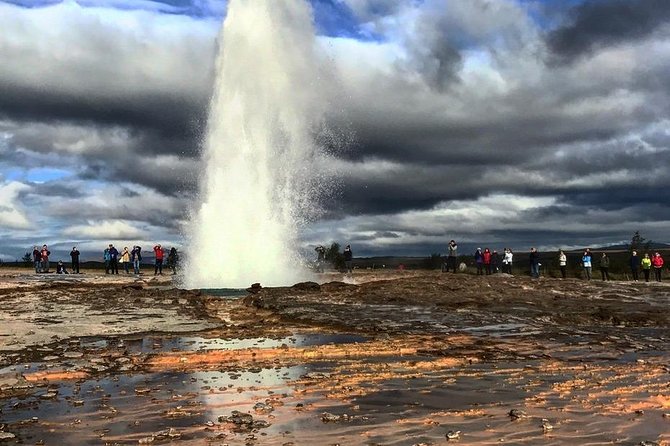
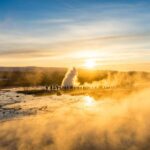
Next comes Geysir. The original geyser (Geysir) is often almost inactive, while nearby Strokkur erupts on average every 4 minutes. That “wait, watch, boom” rhythm is one of the easiest ways to understand geothermal activity without a lecture that puts everyone to sleep.
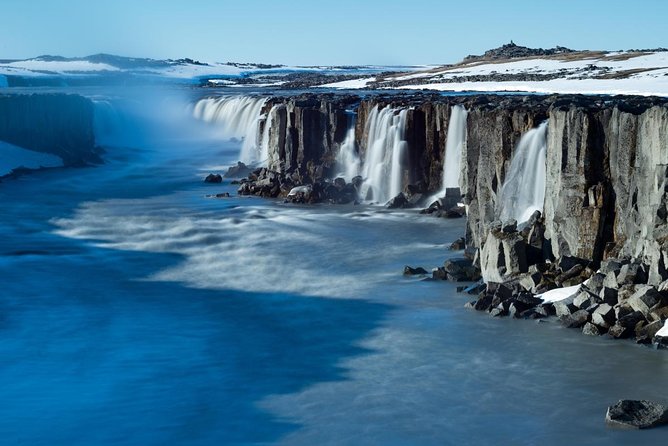
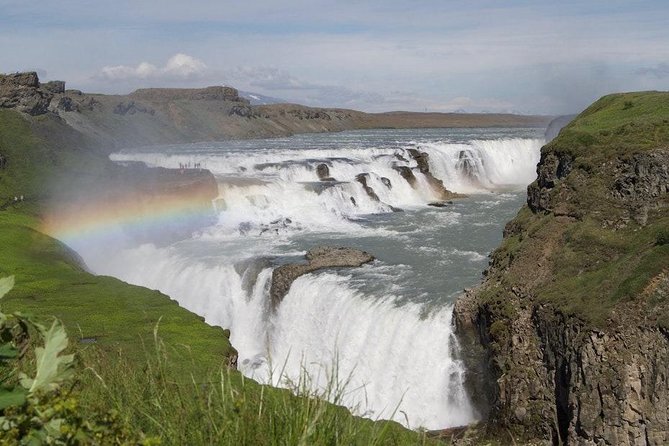
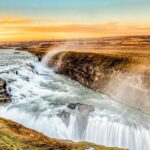
Then it’s Gullfoss, one of Iceland’s most famous waterfalls. You get views from above, plus time on the path to walk down closer to the powerful cascade, which is a nice way to turn photos into the real thing.
And for lunch, you’ll have a rare stop at Friðheimar, where tomatoes are grown using geothermal heat and geothermally generated electricity. The dining room sits right in the greenhouse, with a menu built around those tomatoes. It’s not just a quirky lunch, it’s an example of how Iceland uses geothermal power in everyday life.
What to consider: these early stops are outdoors and weather can shift quickly. Wear layers, and plan for rain that can appear, then vanish.
Seljalandsfoss to Skógafoss: walking behind waterfalls and chasing meltwater
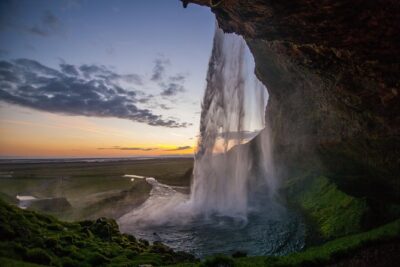
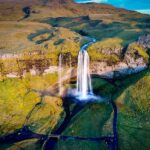
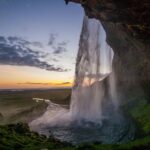
After the Golden Circle, the route leans hard into the South Coast waterfall circuit. Seljalandsfoss is 60 m high, and one of the reasons it’s so popular is that you can walk behind the falls. It changes the experience from looking at water to being in the spray zone.
Not far away is Skógafoss, Iceland’s most famous waterfall. This matters because both Seljalandsfoss and Skógafoss sit in glacier-fed rivers, fueled by meltwater from Eyjafjallajökull and Mýrdalsjökull. In other words, the waterfalls are not random. They are part of the glacier system doing its seasonal work.
Why this day feels good: waterfalls in Iceland are usually either a short stop or a long hike. Here, you get both close-up time and clear context, so the scenery feels earned instead of just stamped into a checklist.
Other Reykjavik outings that keep coming up in our notes
- Private South Coast Fire and Ice: Glacier viewpoint & Lava Show★ 5.0 · 451 reviews
- Private Golden Circle, Sky Lagoon and Friðheimar Greenhouse Lunch★ 5.0 · 381 reviews
- Blue Lagoon Entry Ticket with Optional Private or Shared Transfer★ 4.5 · 343 reviews
- Keflavik International Airport Private Transfer To/From Reykjavik★ 4.5 · 270 reviews
- Sky Lagoon Spa Experience with Private Transfer from Reykjavík★ 4.5 · 195 reviews
Sólheimajökull and the Katla connection: glaciers as volcano neighbors
From Skógafoss, the schedule brings you to Sólheimajökull, an outlet glacier flowing from the ice cap Mýrdalsjökull. Under that ice cap is Katla, one of Iceland’s most famous volcanoes, and that relationship is the key idea of this stop.
You’re not just seeing ice. You’re seeing how Iceland’s volcanic engine and ice layers are tied together. That’s why glaciers here are never boring.
Practical note: glacier areas can be slick and windy. Bring shoes you trust on uneven ground, and keep your windproof layer handy.
The South Coast finale before Vatnajökull: Dyrhólaey and Reynisfjara
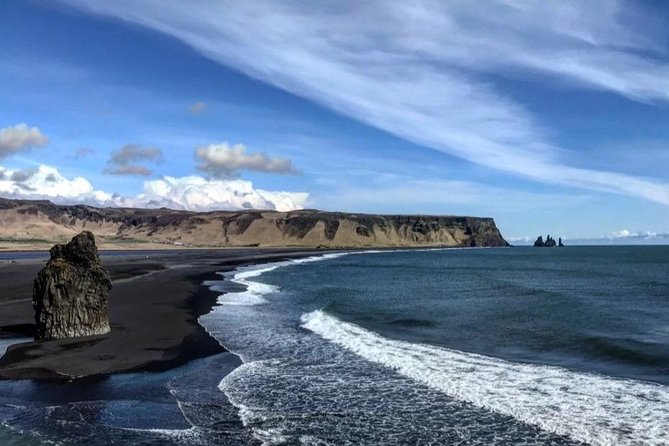
Then the route turns to Dyrhólaey, a 120-metre high promontory shaped by sea erosion. You get sweeping views of the south coast and the black beaches, which is a great moment to connect the earlier waterfall days to the coastline geology.
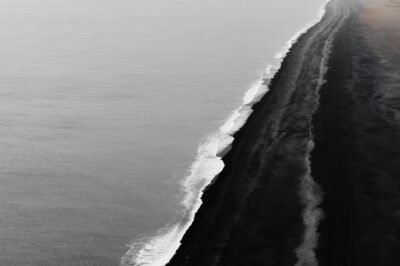
Reynisfjara is next, Iceland’s black beach country. It’s black because it’s volcanic rock, mostly basalt, and the place is known for basalt columns. The beach was ranked in 1991 as one of the ten most beautiful non-tropical beaches in the world. You’ll also see Reynisdrangar, a sea stack formed by wave erosion.
What I like here: the contrast. You go from loud waterfalls to a darker, mineral-heavy coast where the drama comes from the rock and the ocean grinding at it.
Possible drawback: the coast is exposed. Wind and waves can affect how comfortable certain areas feel, and timing matters for best light and safer viewing.
Skaftafell and Fjaðrárgljúfur: Vatnajökull time and a canyon break
Skaftafell sits within Vatnajökull National Park, which covers Vatnajökull, the largest glacier in Europe. This is one of those moments where the scenery feels big enough to make your brain pause. You’ll get about 2 hours here, which is enough to enjoy the park setting without turning it into a half-day hike plan.
Then comes Fjaðrárgljúfur, a canyon carved by glacial rivers during the last ice age. It’s about 100 m deep and 2 km long, and it became more famous after appearing in a Justin Bieber music video. Even if you’re not into pop culture trivia, the canyon still delivers in the practical sense, you can stand and look into a deep cut that tells you the ice-age story in stone.
Jökulsárlón and Fjallsárlón: iceberg lagoons and Diamond Beach time
This is the part people plan Iceland around. The schedule gives you multiple lagoon views: Fellsfjara, Jökulsárlón, and Fjallsárlón.
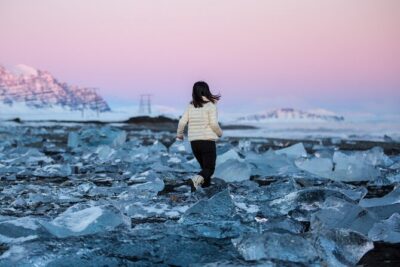
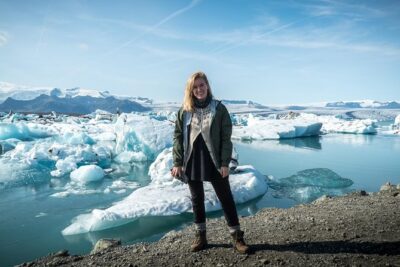
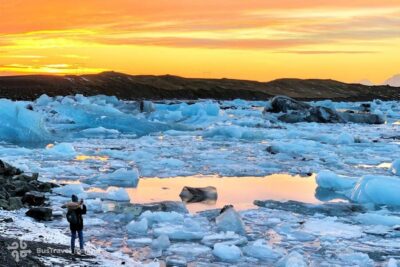
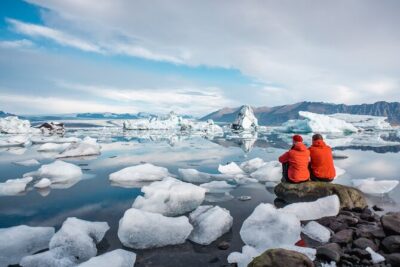
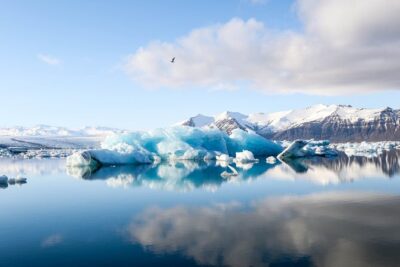
At Jökulsárlón, you’ll enjoy floating icebergs in front of a calving glacier. You’ll also walk out at the black beach area sometimes called Diamond Beach, which is a strong way to turn the lagoon experience into something tangible.
Fjallsárlón adds another angle, another calm-water stage where ice breaks off the glacier and floats around. In Iceland, ice rarely stays polite. Watching it break loose and drift is a steady reminder that glaciers are alive, even when the day feels calm.
What to consider: these areas depend on visibility and light. If conditions are gray, ask your guide to prioritize the best viewing angles and your walking time, so you get the full effect even when it’s cloudy.
Winter ice caves or summer Langjökull tunnel: how your season changes the ice
This tour includes a major seasonal ice experience.
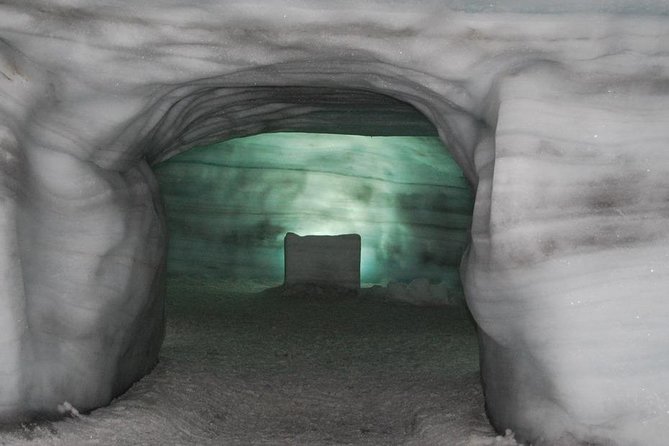
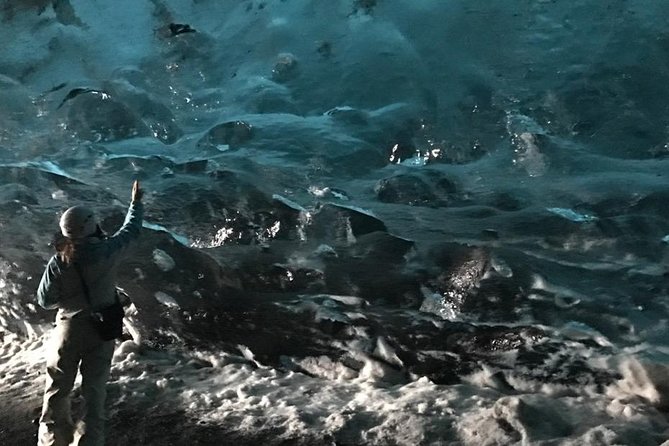
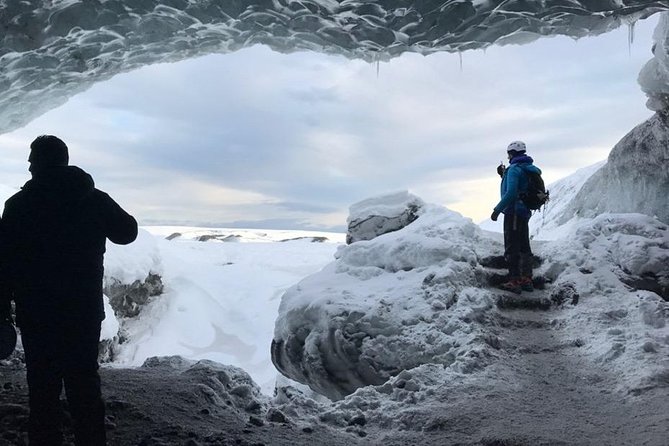
If you travel in winter, November to March, there’s an option for ice cave exploration into natural ice caves, running about 3 hours, with an overnight near Höfn. If you travel in warmer months, April to October, the plan can shift to Into the Glacier, a man-made ice tunnel into Langjökull, with a pickup in Húsafell and a monster truck ride onto the glacier. In good weather, the view from the glacier top is described as spectacular, and the session is about 4 hours.
That means your week can feel slightly different depending on the month, but the overall goal stays the same. Iceland ice becomes an activity, not just a view.
Practical tip: regardless of season, keep a close eye on your clothing layers. Ice days usually mean cold air, wind, and wet slush.
Eastfjords detour and waterfall hikes: Djúpivogur, Hengifoss, and Litlanesfoss
From the glacier world, the route moves to Djúpivogur, a picturesque fishing village known for art and views. It’s a calmer change of pace after the massive ice-lagoon focus.
Next you head toward Egilsstaðir, with a stop to experience Hengifoss and Litlanesfoss waterfalls. Hengifoss is described as one of the highest waterfalls in Iceland, set in a striking geological setting. Litlanesfoss is surrounded by basalt columns, which fits the tour theme of explaining how Iceland’s volcanic structure shapes what you see.
Why this works: it keeps your imagination engaged. The week is not only “big wow.” It’s also “how does this place make its features?”
Lake Mývatn region: Dettifoss, Námaskarð, Krafla, and Dimmuborgir
Mývatn is where Iceland turns from waterfall and beach to volcanic system and geothermal chaos. Before you fully arrive, you’ll make a stop around Egilsstaðir and Lagarfljót river. Then you’ll overnight in the Mývatn area.
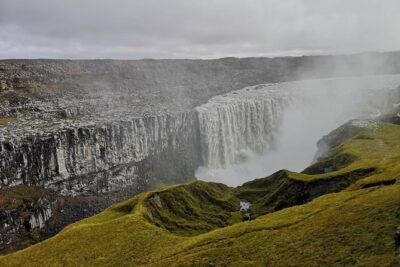
Dettifoss is the next major hit. It’s called the largest waterfall in Iceland and the most powerful in Iceland and Europe, dropping about 100 m into Jökulsárgljúfur canyon. This stop is best treated as a full-on natural force moment, not a quick picture and move on.
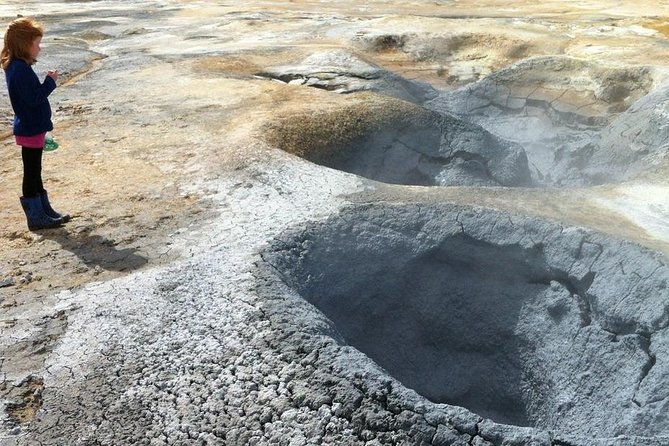
Then comes Námaskarð, often referred to as Hverarönd, an active field of thermal springs, mud pots, and boiling mud. You’ll see colorful geothermal features like fumaroles and solfataras, with colors tied to sulphur and mineral deposits.
Krafla Lava Fields follow, associated with the central volcano. It’s a great step in the chain of understanding, from boiling ground to active volcanic regions.
Finally, Dimmuborgir brings you lava formations with massive lava tubes formed about 2,300 years ago when lava flowed over a small lake. The idea here is that boiling water and rising vapors shaped the structures. The site is also known as home to the Icelandic Yule lads, tying geology to storytelling.
Possible drawback: this region is a sensory overload in the best way, but it can also be tiring if you hate constant driving and short notice viewpoint changes. If that’s you, you’ll want a guide who can slow the pace at the right moments.
Myvatn Nature Baths and Goðafoss: a needed reset
After the intense volcanic sights, you get a relief stop at Myvatn Nature Baths (Jarðböð). It’s a naturally heated, man-made lagoon with mineral-rich waters described as health-giving. This is the classic Iceland move: you sweat out the cold instead of suffering through it.
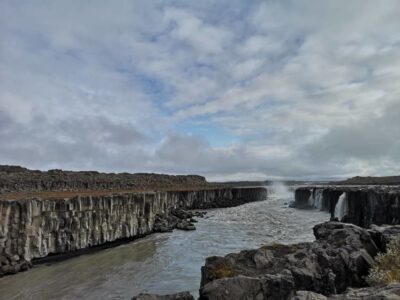
Next is Goðafoss, the Waterfall of the Gods. It’s a one-hour stop that keeps the week’s waterfall theme going, while shifting the focus back to flowing water rather than boiling earth.
Then you reach Akureyri. You’ll have a city tour and then dinner is on your own, followed by an overnight in Akureyri. This is useful because it gives you at least one planned evening where you can choose your meal without the group schedule dictating everything.
Snæfellsnes Peninsula highlights: Kirkjufell, Djúpalónssandur, Vatnshellir, and Arnarstapi
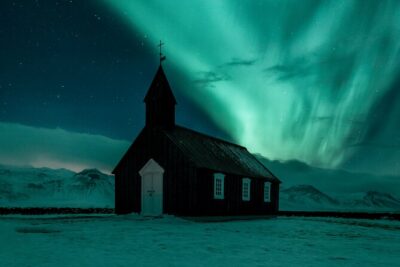
The tour then pushes into Snæfellsnes, starting with Kirkjufell, one of the most picturesque mountains in Iceland. There’s also time near Kirkjufellsfoss, so you can pair the iconic peak with the waterfall that photographers always chase.
Djúpalónssandur is next, a black pebble beach on the tip of the peninsula. The pebbles are smoothed by the ocean, and you’ll also find scattered rusty wreckage pieces from a ship that stranded in 1948. It’s a moving kind of geology, where natural forces and human history overlap on the shore.
Hellnar follows, a small ancient fishing village with beach rock formations worth stepping out for. Then you’ll explore Vatnshellir Cave, a lava tube in an 8,000-year lava field. The cave formed after an eruption in nearby Purkhólar, leaving a lava tube accessible for visitors.
Arnarstapi is a coastal fishing village known for the sculpture of Bárðr, half human and half ogre, plus the legend attached to the character. This is one of those stops where the story adds texture to a place that otherwise could be just cliffs and rocks.
Then comes Lóndrangar basalt cliffs, described as volcanic plugs of basalt, with dramatic heights.
What I like here: this part feels more human-scale and stroll friendly compared with glacier lagoons. It lets you absorb Iceland’s rock forms without the sense that everything is sprinting past.
Into the Glacier and Western Waterfalls: Húsafell to Hraunfossar and Barnafoss
Into the Glacier is scheduled for summer April to October, with pickup in Húsafell and a monster truck ride. It’s a direct experience of ice rather than a viewpoint-based stop, and it fits nicely after the lava-coast cave and cliffs.
From there, you head into Borgarfjörður for Hraunfossar and Barnafossar. Hraunfossar are series of waterfalls streaming out of porous lava into the Hvítá river over about 900 m from the Hallmundarhraun lava field. Barnafoss, meaning children’s waterfall, is tied to a local story about children and a lava bridge.
Finally, you stop in Borgarnes on the way back toward Reykjavík. It’s a quick reset point before you roll back into the city rhythm.
Who this private tour suits best
This is a strong match if you want to see a lot of Iceland without driving. If anyone in your group is tired of planning, navigating, and weather contingency choices, the private transportation and private guide do real work for you.
It also suits milestone trips, anniversaries, and family celebrations because the guide setup makes it easier to adjust timing around what matters to you. The route is structured, but private service tends to mean more flexibility than a fixed group bus schedule.
Where it might not fit: if you’re price sensitive or if you prefer to drive yourself and keep a loose agenda, you might find better value elsewhere. Also, if you dislike long days in a vehicle, be honest with yourself before booking, because this itinerary is packed with major stops.
Book it or skip it? My honest take
I’d book this tour if your priority list is: top Iceland sights, minimal logistics stress, and a guide who can connect what you’re seeing to why it exists. You’re getting six nights of lodging plus breakfast, and entrance fees for the included sights and activities. That matters when you’re spending a week bouncing between geothermal fields, glacier lagoons, and volcanic coasts.
I’d think twice if $11,101.77 per person is out of reach, or if your ideal Iceland is slow and local, with lots of unplanned stops. This plan is built for intensity.
If you do book, plan smart: pack layers, protect against wet and wind, and come ready for a week where Iceland shows you almost every major face of its geology.
FAQ
What time does the tour start?
The tour start time is 9:00 am.
Is pickup offered?
Yes, pickup is offered, and the meeting point is near public transportation.
How many nights of lodging are included?
Six nights of hotels or guesthouses are included, with daily breakfast.
Are lunches and dinners included?
Lunch on day 1 is included. Dinner is not included, and you can buy dinner during the trip. Lunch for the other days can be bought on the trip.
Are entrance fees included?
Entrance for all sights and activities is included, except for extras.
Is this a private tour?
Yes. It is private, meaning only your group will participate.
Are there seasonal activities on this itinerary?
Yes. Ice cave exploration into natural ice caves is for winter (November to March). Into the Glacier is for summer (April to October).
What happens if weather is bad?
The experience requires good weather. If it is canceled due to poor weather, you will be offered a different date or a full refund. The tour also requires a minimum number of travelers.
More Tours in Reykjavik
More Tour Reviews in Reykjavik

Ring Road Plans Worth Reading

More Reykjavik write-ups from our desk
- Private Transfer from Reykjavik to Reykjavik Airport KEF by Sedan
★ 5.0 · 3 reviews - Northern Lights in Mini Bus, Photos, Hot Cocoa and Pastries
★ 5.0 · 3 reviews - Exclusive Westman Islands Adventure – A Private Day Tour
★ 5.0 · 3 reviews - Private South Coast tour with Glacier walk
★ 5.0 · 3 reviews - Borgarfjörður
★ 4.5 · 3 reviews - SOUTH COAST : The Discovery
★ 5.0 · 3 reviews
7-Day Experiences, compared.
 ★ 4.57-Day Complete Iceland: South Coast, Golden Circle, Akureyri & SnaefellsnesFrom $2,796139 reviews
 ★ 5.04, 5, 6 or 7-Day Small-Group Ring Road Tour from ReykjavikFrom $1,47943 reviews
 ★ 4.8From Reykjavík: 4, 5, 6 or 7-Day Small-Group Ring Road TourFrom $1,53024 reviews
 ★ 4.8From Reykjavík: 7-Day Around Iceland Ring Road & SnæfellsnesFrom $2,16823 reviews
 ★ 5.07-Day Self-Drive Private Tour Northern Lights Adventure – Iceland South & WestFrom $1,51118 reviews
 ★ 4.57-Day Small Group Journey Around IcelandFrom $2,22110 reviews
 ★ 5.07 Day Iceland with Reykjavik Northern Light | Blue Lagoon | Golden Circle ……From $3,6855 reviews
 ★ 4.07 Day Iceland with Reykjavik Blue Lagoon Snæfellsnes | Golden Circle | South….From $3,2514 reviews
Browse the lists this tour appears in