
Review · NORTHERN LIGHTS TOURS
8-Days Northern Lights Exploration Tour from Reykjavík
Eight nights chasing sky lights. This 8-day Northern Lights exploration from Reykjavík pairs nightly aurora searching with Northern Lights Academy lessons, then throws in winter classics like the Vatnshellir lava tube cave. You also get a real sense of Iceland beyond postcards, from geysers and waterfalls to glaciers and geothermal culture.
I love that the trip is structured for the aurora, not just a hope-and-pray stop. You spend time learning the science, watching the sky with proper winter gear, and still cover the best of Iceland’s winter routes in the daylight. One heads-up: while breakfast is included and you get a hot spring food tasting, other meals and drinks are not. Budget for dinners on your own so you are not scrambling each evening.
In This Review
- Key Things You’ll Like About This Tour
- Reykjavík First, Reykjavik Friendly
- How the Aurora Program Works at Night
- Day 2: Lava Fields, Grábrók Views, and Iceland’s Hot Springs
- Day 3: Kirkjufell Photo Time and a Guided Descent at Vatnshellir
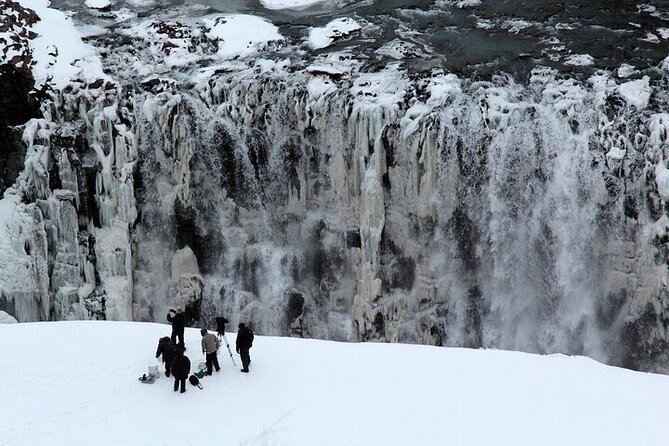
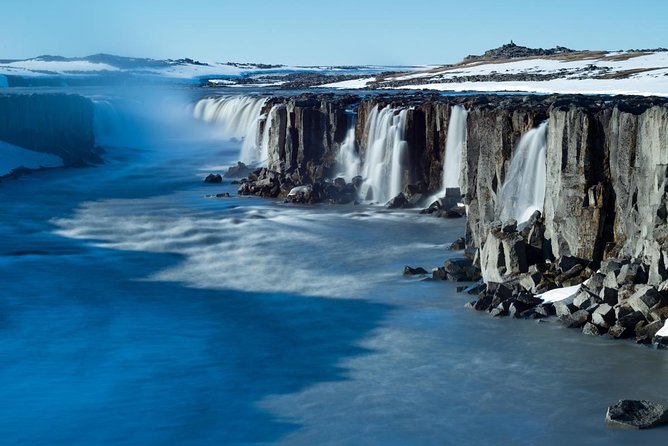
- Day 4: Thingvellir’s Big History, Strokkur’s Timing, and Gullfoss Power
- Day 5: Lava Centre, Skógar Museum, Eyjafjallajökull Context, and South Coast Stops
- Day 6: Jökulsárlón Icebergs, Diamond Beach, and Vatnajökull National Park
- Day 7: Vik, Seljalandsfoss Walk-Behind, and Blue Lagoon Recovery Time
- Day 8: Back in Reykjavík, With Time to Walk
- Price and Value: What You’re Paying For
- Who This Northern Lights Tour Is Best For
- Should You Book This Tour?
- FAQ
- How does the tour handle airport transfers?
- Where do we meet the tour guide?
- Is the Vatnshellir cave visit guided?
- What is included in the Northern Lights Academy?
- What winter equipment do you get for northern lights nights?
- Are hotel breakfasts included?
- Are meals besides breakfast included?
- Is Blue Lagoon included?
- What is the maximum group size?
- Can the experience be changed or refunded after booking?
Key Things You’ll Like About This Tour
- Northern Lights Academy teaches the aurora science with presentations, film, and guided sky watching
- Watnshellir cave visit is an actual guided descent into a lava tube under the glacier area
- Included winter and aurora gear (shoe spikes and a flashlight) helps you handle cold and slippery conditions
- A tight mix of Iceland highlights from Grábrók crater and Gullfoss to Jökulsárlón and Diamond Beach
- Hotel comfort with breakfast for 7 nights, plus an air-conditioned coach for long winter drives
- Small group feel with a maximum of 40 travelers
Chasing the lights? These are the other hunts we sat through
Reykjavík First, Reykjavik Friendly
You start in Reykjavík, with hotel time on Day 1 and again on Day 8. The meeting point is Hotel KletturMjölnisholt (Mjölnisholt 12 to 14), a location that makes it easy to walk the shopping street Laugavegur if your schedule has gaps. You also get pickup support from the airport with the FLYBUS Plus shuttle.
On arrival, you look for the Reykjavik Excursions Flybus shuttles just outside the airport terminal, and you receive a Flybus voucher after booking. The transfer takes about 45 minutes to Reykjavík’s BSI bus station, then you continue or transfer to a smaller coach for the final ride to your accommodation. This matters in winter, because a smooth landing helps you stay rested for your first guide-led day.
How the Aurora Program Works at Night
This is not a vague “maybe you’ll see lights” kind of tour. A key part of the experience is the Northern Lights Academy program, which mixes presentations, film, and actual northern lights searches. The goal is simple: you learn how auroras form, then you go out with the group to watch the sky with a plan.
What makes this feel practical is the gear and the timing. You get snow and ice grippers spikes for your shoes plus a flashlight, which helps when you step outside at night and when paths are icy. The tour also provides an on-board setup that includes WiFi, so you can check weather info and keep your devices charged during long coach days.
One more detail that helps: because the tour is built around multiple nights, you get more than one shot at the lights. And in one real booking example tied to this tour, a guest reported seeing the northern lights twice during the trip, which is exactly the kind of payoff this type of schedule is aiming for.
Day 2: Lava Fields, Grábrók Views, and Iceland’s Hot Springs
Day 2 is where the tour starts feeling like Iceland, fast. You begin with Reykjavík highlights with a guide at 09:00, then you head out for geothermal and lava country.
First stop is Grábrók Crater, about a 3000-year-old volcano crater surrounded by mossy lava fields. You do not just stand and pose. You have the chance to climb to the rim, around 20 minutes, for a view over the lava field and the wider region. In winter, rim viewpoints can be windy, so the shoe spikes really earn their keep.
Next comes Deildartunguhver Thermal Spring, described as Europe’s most powerful hot spring, producing 180 liters per second of water at nearly boiling temperatures (about 97°C). The point here is scale. When you see water like that moving with force, it stops being an abstract “geothermal wonder” and becomes a living system.
Then you visit Hraunfossar, where natural springs pour from under a birch covered lava field, creating a wide waterfall. A few minutes’ walk uphill leads to Barnafoss (Children’s Fall), known for strange rock formations and a tragic tale tied to the site. The timing is short at each stop, but that is the winter rhythm. You get a concentrated experience, then you move on before daylight vanishes.
- Reykjavik: Golden Circle Full-Day Tour with Kerid Crater★ 4.8 · 24,485 reviews
- Reykjavik Food Walk – Local Foodie Adventure in Iceland★ 5.0 · 18,952 reviews
- Reykjavík: South Coast Waterfalls, Black Sand & Glacier Tour★ 4.8 · 11,030 reviews
- Reykjavík: Whale Watching and Marine Life Cruise★ 4.6 · 9,838 reviews
- Reykjavik: Sky Lagoon Entrance Pass With 7-Step Spa Ritual★ 4.8 · 6,166 reviews
Day 3: Kirkjufell Photo Time and a Guided Descent at Vatnshellir
Day 3 keeps the pace upbeat but swaps in a different kind of “wow.” You start with Kirkjufell Mountain, one of Iceland’s most photographed peaks, and you get a photo stop. Even if clouds roll in, the shape of the mountain is still dramatic, and winter light often makes the bay feel extra stark.
The highlight is the guided visit to Vatnshellir Cave. You go about 35 meters underground and about 200 meters into a lava tube under the glacier Snæfellsjökull area. This is one of those stops where being guided matters. You are inside a volcanic structure, not just walking through a decorated tunnel, and the route into the cave gives context for what you are seeing.
Caves in winter also feel good in a practical way. You get a break from outside cold and wind, and you can focus on texture: rock, darkness, and the way the lava tube shapes space. It is a solid counterpoint to the open-air stops.
Day 4: Thingvellir’s Big History, Strokkur’s Timing, and Gullfoss Power
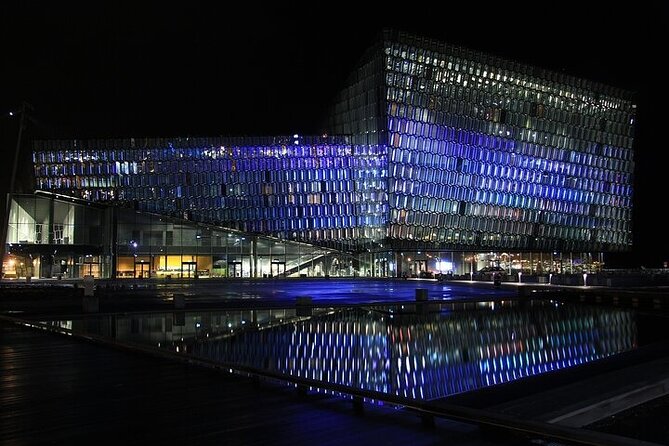
Day 4 is about UNESCO-level Iceland and the kind of geothermal action you cannot replicate anywhere else.
At Thingvellir National Park you visit the UNESCO World Heritage site since 2004. The tour includes a stroll through a sacred area with the Alþingi, the oldest existing national parliament in the world, plus major Icelandic history. The geology matters too: it sits on a plain with big fissures and next to Thingvallavatn, Iceland’s largest lake. You walk through a place where history and plate tectonics share the same ground.
Next is Geysir. Even though the original geyser is dormant, Strokkur erupts at roughly 5 to 10 minute intervals. This stop is all about rhythm. If you time it right, you see the churn up close, and you get that classic geyser moment without standing around forever.
A nice bonus is the hot spring bread tasting, plus Icelandic butter, boiled eggs, and herring, as part of the experience around the Geysir area. It is not just food, it is geothermal cooking, which connects the science of hot water to something you can taste.
Then you hit Gullfoss Waterfall, a glacial river (Hvítá) dropping 32 meters in a double cascade. On a sunny day, a rainbow can form in the spray, but even without sun, the force is the point. Finally, you visit Fridheimar, where you learn about the Icelandic horse and its history, then see a geothermal greenhouse. This is a good stop for understanding how Iceland uses geothermal heat for real life, not just viewing.
Day 5: Lava Centre, Skógar Museum, Eyjafjallajökull Context, and South Coast Stops
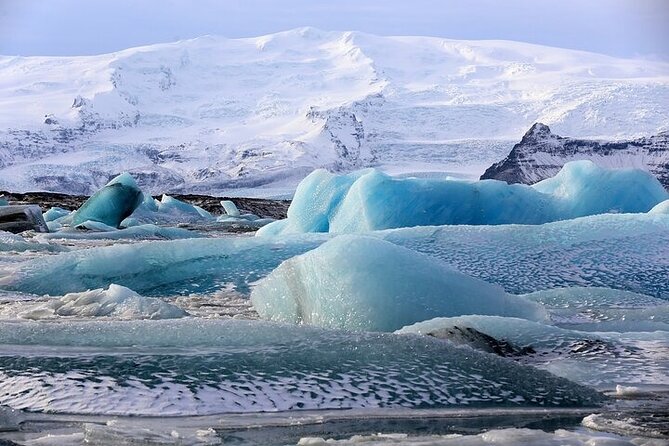
Day 5 starts with learning, not just sighting. You visit the Lava Centre, an interactive high-tech exhibition about geology and active volcanoes. If you like explanations with visuals, this stop helps everything else click. You are not only looking at volcano-related scenery, you are learning how the systems work.
Then you go to Skógar Museum, one of Iceland’s top folk museums. It focuses on farm and domestic artifacts, plus turf-built houses. This is a softer stop in the middle of big scenery days, and it is useful when you want to understand how people lived here before modern conveniences.
You also include a multimedia presentation at the Eyjafjallajökull Volcano Information Center, tied to the famous 2010 eruption under the glacier. The key point is scale and disruption. Even a smaller eruption can cause major disruption to air traffic across Europe, and the presentation gives that context in an easy-to-follow way.
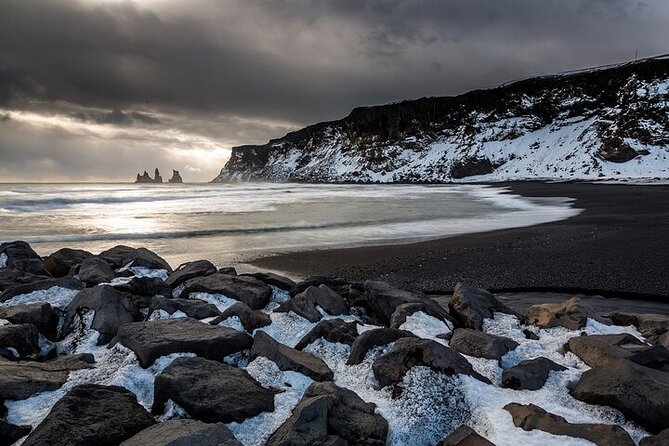
After that, you head to the black sand Reynisfjara Beach, with bird cliffs and dramatic rock formations, including columnar basalt. You also visit Skógafoss, a 60-meter waterfall near the village of Skógar. In winter, both can be windy and wet, so you will want your spikes and warm layers, especially for the beach and cliff areas.
Day 6: Jökulsárlón Icebergs, Diamond Beach, and Vatnajökull National Park
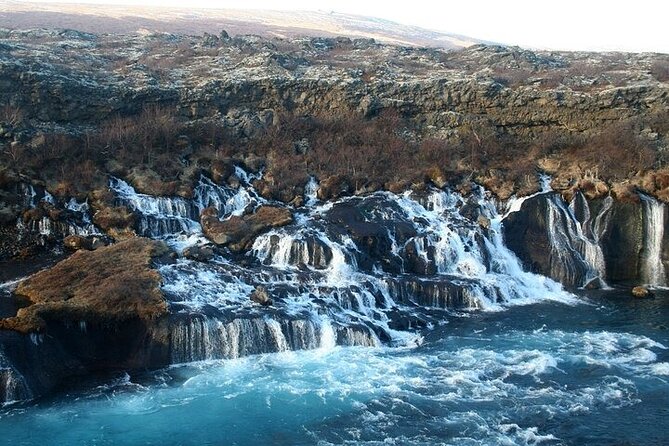
Day 6 is glacier day, and it delivers the kind of visual contrast that makes Iceland feel extra far north.
First stop is Jökulsárlón, a glacial lagoon filled with floating icebergs. You spend time exploring the area, and you might spot seals swimming in arctic waters. The ice can look like tinted glass, and it shifts as the tide and wind move pieces around. It is a stop where you can slow down for a while, even though winter daylight is limited.
Across the road is Fellsfjara, also called Diamond Beach. Here, icebergs from Jökulsárlón end up stranded on black sand. That black and white contrast looks unreal in photos, but the best part is seeing scale. Some pieces are tiny, others are massive, and they sit there like they were placed by someone with a very cold sense of humor.
Then you stop at Hof, for a photo by a tiny turf church built in 1883. It is noted as the youngest turf church in Iceland. That short stop is mostly about atmosphere and texture, a reminder that even remote places had real community life.
Finally, you visit Vatnajökull National Park, described as Europe’s largest national park, with Iceland’s highest mountains, an alpine environment, and Europe’s largest glacier, Vatnajökull. This is less about one perfect view and more about the “big space” feeling, the sense that you are entering the country’s true ice engine.
Day 7: Vik, Seljalandsfoss Walk-Behind, and Blue Lagoon Recovery Time
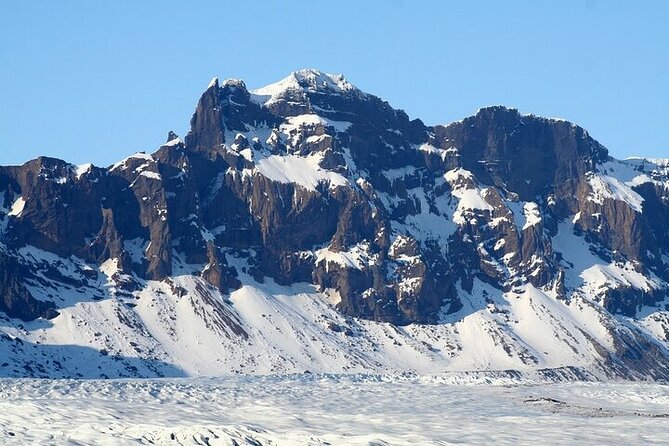
Day 7 starts with Vík, where you get a photo stop. The black lava beach and high bird cliffs with pounding waves are the kind of scene that makes your camera work harder than your brain.
Next is Seljalandsfoss, a waterfall dropping from an overhanging lava cliff. The big twist is that you can walk behind it, though you should not expect to stay dry. This is a fun stop if you enjoy physical, hands-on travel, but it can be slick. Again, shoe grip matters.
Then comes downtime with Blue Lagoon, one of Iceland’s most popular geothermal pools. Admission and a towel are included, and it sits in a dramatic lava field. This is smart after several intense days outdoors. Warm water helps you recover, and it also makes the geothermal theme feel complete: you saw the steam, the geysers, the hot springs, and now you soak in the same geothermal logic.
One practical point: in at least one documented case connected to this tour, the Blue Lagoon stop was closed due to volcanic activity, and the operator rebooked the guest to Sky Lagoon instead. So keep a flexible mindset if conditions ever change.
Day 8: Back in Reykjavík, With Time to Walk
On the final day, you return to Reykjavík for hotel time again, with a chance to explore on your own. The hotel location is set up for walking, especially to Laugavegur. Use this time for simple comforts like a warm meal, a hot drink, and buying a few last gifts before you head out.
Because the tour includes the end-to-end flow, you are not stuck with complicated last-day logistics. You can just reset your pace and enjoy the city after a week of winter roads.
Price and Value: What You’re Paying For
At $3,186.01 per person, this tour is not cheap. The value is in how much it includes. You get:
- 7 nights in comfort tourist-class hotels with breakfast
- Airport transfers via FLYBUS Plus shuttle
- A fully escorted 6-day bus tour with an English-speaking guide or driver-guide
- Several included admissions and guided experiences, including Vatnshellir cave and Thingvellir, plus food tasting tied to geothermal cooking
- The Northern Lights Academy with presentations, film, and nightly searches
- Northern Lights equipment like shoe spikes and a flashlight
- WiFi on board, air-conditioned coach, and parking fees
When you add those pieces up, you can see the economics. If you tried to stitch together hotels, guide-led winter driving, cave access, and a structured aurora program on your own, it would be easy to spend similar money or more while losing the convenience. The high price also reflects the real cost of winter operations: long distances, fuel, and constant planning for cold conditions.
Who This Northern Lights Tour Is Best For
This tour fits you if you want a guided winter route that hits the major geothermal and glacier highlights without having to plan every turn. It is also a good match if the northern lights are your priority, because the schedule includes multiple nightly searches and an educational program, not just a single outing.
It might not be ideal if you hate group pace. The itinerary is full, and each stop is built around a specific time window. If you want long, slow stays in one place, you may find the day-to-day rhythm intense, especially in winter weather.
It also helps if you are comfortable spending evenings outdoors for aurora watching. The tour provides the right tools, but you still need to dress for cold and wind.
Should You Book This Tour?
Book it if you want a well-organized Northern Lights from Reykjavík experience with real teaching built in, plus a winter route that covers Iceland’s big hitters. The pairing of aurora searching with major stops like Thingvellir, Strokkur, Gullfoss, and Jökulsárlón gives you balance, not just one-theme travel.
Skip it if you are very budget driven or if you already have your own plan for the aurora and want total freedom in daylight. Also, factor in that only breakfast and a hot spring food tasting are included, so you should plan for your own dinners and drinks.
If you do book, pack for cold nights, wear layers, and trust the shoe spikes. The tour is built around getting you outside safely and helping you understand what you are watching in the sky.
FAQ
How does the tour handle airport transfers?
The tour includes arrival and departure airport transfer by the FLYBUS Plus shuttle, and it is stated to be without a guide. The pickup is described from just outside the airport terminal, and the transfer takes about 45 minutes to the BSI bus station in Reykjavík.
Where do we meet the tour guide?
Your tour guide meets you at Hotel KletturMjölnisholt before the 09:00 departure.
Is the Vatnshellir cave visit guided?
Yes. The tour includes a guided visit into Vatnshellir cave.
What is included in the Northern Lights Academy?
The Northern Lights Academy program includes a combination of presentations, film, and northern lights searches.
What winter equipment do you get for northern lights nights?
You get winter and northern lights equipment including snow and ice grippers spikes for your shoes, and a flashlight.
Are hotel breakfasts included?
Yes. Breakfast is included for 7 days.
Are meals besides breakfast included?
No. Additional meals, drinks, and services are not included.
Is Blue Lagoon included?
Yes. Blue Lagoon is included with admission and a towel.
What is the maximum group size?
The tour notes a maximum of 40 travelers.
Can the experience be changed or refunded after booking?
No. The experience is non-refundable and cannot be changed for any reason, and the amount paid is not refunded if you cancel or ask for an amendment.
More Tours in Reykjavik
More Tour Reviews in Reykjavik
More Aurora Hunts We Have Reviewed
More Reykjavik write-ups from our desk
- Private Transfer from Reykjavik to Reykjavik Airport KEF by Sedan
★ 5.0 · 3 reviews - Northern Lights in Mini Bus, Photos, Hot Cocoa and Pastries
★ 5.0 · 3 reviews - Exclusive Westman Islands Adventure – A Private Day Tour
★ 5.0 · 3 reviews - Private South Coast tour with Glacier walk
★ 5.0 · 3 reviews - Borgarfjörður
★ 4.5 · 3 reviews - SOUTH COAST : The Discovery
★ 5.0 · 3 reviews
Northern Lights Tours, compared.
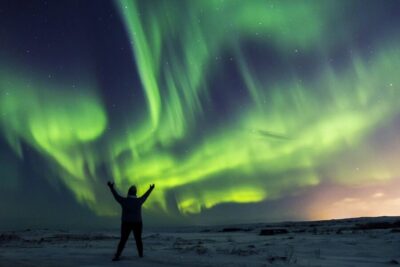 ★ 4.1Northern Lights Bus Tour from ReykjavikFrom $7311,161 reviews
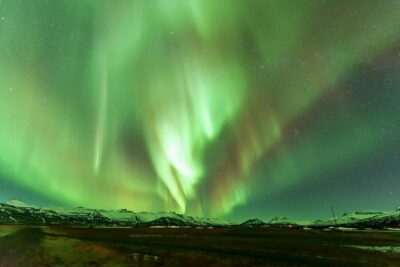 ★ 4.4Small-Group Premium Northern Lights Tour from ReykjavikFrom $1072,977 reviews
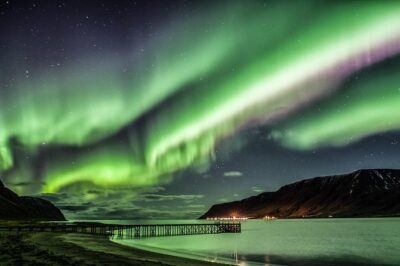 ★ 4.5#1 Northern Lights Tour In Iceland from Reykjavik with PRO photos2,887 reviews
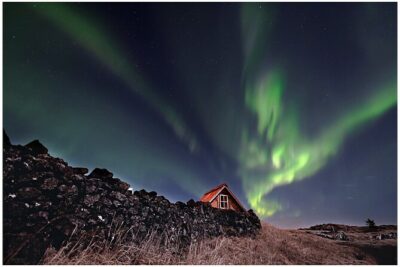 ★ 4.5Northern Lights Small-Group Tour with Hot Chocolate & PhotosFrom $1722,068 reviews
 ★ 3.5Northern Lights Night Tour from ReykjavikFrom $631,921 reviews
 ★ 4.0Northern Lights Bus Tour from Reykjavik with Hot ChocolateFrom $761,782 reviews
 ★ 3.7From Reykjavik: Northern Lights Tour with Lifetime GuaranteeFrom $731,578 reviews
 ★ 4.4Reykjavik: Northern Lights Yacht TourFrom $931,253 reviews
Browse the lists this tour appears in