
Review · PUFFIN WATCHING TOURS
Beluga and Puffin Sanctuary Visitor Centre with Aquarium
Belugas and puffins make a surprisingly calm combo. This quick stop at SEA LIFE Trust Beluga Whale Sanctuary mixes a visitor-centre walkthrough with whale observation and hands-on-style learning about local conservation. I especially like how the experience is focused and fast, so you are not stuck in a long, wandering attraction.
My second favorite part is the way it ties the animals to the seasons, with belugas arriving for winter protection and puffin care happening right there in the puffin hospital. One thing to think about: this is a short visit, so if you want a long, in-depth conservation program or a full-day excursion, you may feel a bit rushed.
In This Review
- Key things to know before you go
- A short, practical stop in Vik with big animal energy
- What you do during the beluga sanctuary visit
- Entering the visitor centre: the story behind the world’s first beluga sanctuary
- Beluga observation windows: when the animals notice you
- The native species aquarium: local sea life that makes the whales make sense
- Puffin hospital: conservation you can actually see in action
- How long it takes, and how to fit it into your Vik day
- Mobile ticket and how to make your visit smooth
- The weather factor: small decision, real impact
- Value for time: what you get in about 40 minutes
- Who this sanctuary visit is best for
- Tips to get the most from the windows and tanks
- Should you book the Beluga and Puffin Sanctuary visitor centre?
- FAQ
- Where is the SEA LIFE Trust Beluga Whale Sanctuary?
- How long does the visit take?
- What does the admission include?
- Do I need to print anything, or is it a mobile ticket?
- What are the opening hours?
- Is good weather required?
- What happens if it’s canceled due to poor weather?
- Are service animals allowed?
- Is it near public transportation?
- Can I cancel for a full refund?
Key things to know before you go
- World’s first beluga whale sanctuary, so the main draw is the concept, not just the tanks.
- About 40 minutes means you can slot it into a tight South Iceland day.
- Belugas, puffins, and local sea life are all explained in one route.
- Native species aquarium gives context for what lives around the island and nearby waters.
- Puffins in a hospital setting lets you see active care work, not just wildlife watching.
- Good weather matters, and the center keeps visitor plans moving with either an alternate date or a refund if it has to close.
Not settled yet? These other Vik outings landed on our desk too.




A short, practical stop in Vik with big animal energy
In Vik, most days have a rhythm. You either chase views outside, or you build in one calm indoor anchor when the weather turns. This sanctuary visit works well as that anchor. It lasts about 40 minutes, and it is designed to keep your attention on what matters: belugas, puffins, and why they are cared for here.
The sanctuary also sells itself as more than a look-and-leave aquarium. It is a mission-driven visitor centre, and the tour format is meant to help you connect the animals to real protection work. That makes it feel less like a theme park stop and more like a place you actually understand by the time you leave.
And yes, the animals do their own show. In the window observation moments, it is common to see belugas react to movement and even seem to track you. That kind of interaction turns a quick visit into a memorable one, even if you are not expecting hands-on encounters.
What you do during the beluga sanctuary visit
The tour route is straightforward. You start inside the visitor centre, then move through the main areas where staff explain the story of the sanctuary. The whole flow is built around an admission ticket that is included, so you can focus on the content rather than extra add-ons.
From there, you get three linked themes. First, you learn about belugas and why they are kept in sanctuary care. Second, you see the native species aquarium, which frames local sea life in a way that supports the whale story. Third, you end with a look at the puffin hospital, where conservation work is happening in real time.
The visit feels efficient because it keeps switching between learning and watching. If you get restless in museums, this helps. If you love animal behavior, the observation windows and viewing tanks give you natural breaks.
Entering the visitor centre: the story behind the world’s first beluga sanctuary
The SEA LIFE Trust Beluga Whale Sanctuary calls itself the world’s first beluga whale sanctuary. That matters because it signals something specific: this place was built around beluga care, not simply around displaying marine animals.
Inside, the focus is on the basics, but in a way that lands. You learn what makes belugas special, and you also learn why sanctuary care is needed. The whole point is to connect the animals to practical protection, especially around colder seasons.
One season detail stands out in the descriptions you will hear. The belugas are brought into the observation area for winter protection, while the sanctuary describes them spending the summer in a protected bay. That seasonal rhythm helps you understand why the tanks look the way they do at different times of year.
- Reykjavik: Jokulsarlon Glacier Lagoon Full-Day Guided Trip★ 4.7 · 3,302 reviews
- South Coast Classic: Full-Day Tour from Reykjavik★ 4.6 · 2,457 reviews
- From Vik: Katla Ice Cave and Super Jeep Tour★ 4.6 · 2,110 reviews
- From Vik: Katla Ice Cave and Super Jeep Tour★ 4.6 · 1,310 reviews
- Lava Show Vik Admission Ticket★ 5.0 · 1,177 reviews
Beluga observation windows: when the animals notice you
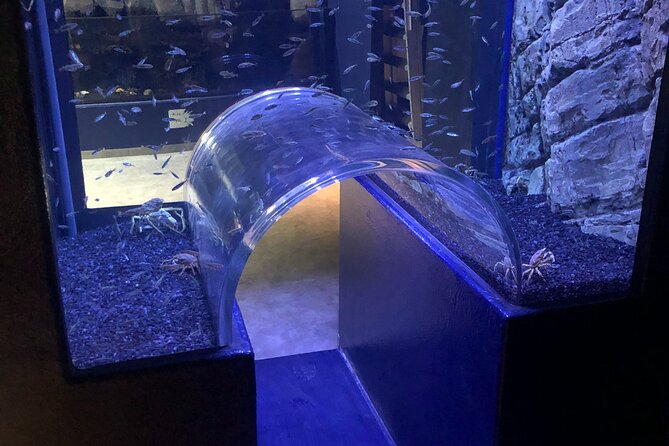
This is the moment most people remember. You watch belugas through the observation windows, and you also learn how they behave when they are curious. Based on what is commonly seen here, they may circle, turn toward visitors, and respond to movement near the glass.
You will not be able to touch or interact beyond watching, but the viewing style still feels lively. The best strategy is simple: stand still for a minute and let the belugas do the checking. When you shift positions, you often catch their attention again, and sometimes they react with quick, playful activity.
If you are visiting with kids, this is a strong payoff area. If you are visiting solo, it is a good place to slow down. And if you are a wildlife lover who prefers behavior over props, the window viewing gives you real animal movement rather than staged presentation.
The native species aquarium: local sea life that makes the whales make sense
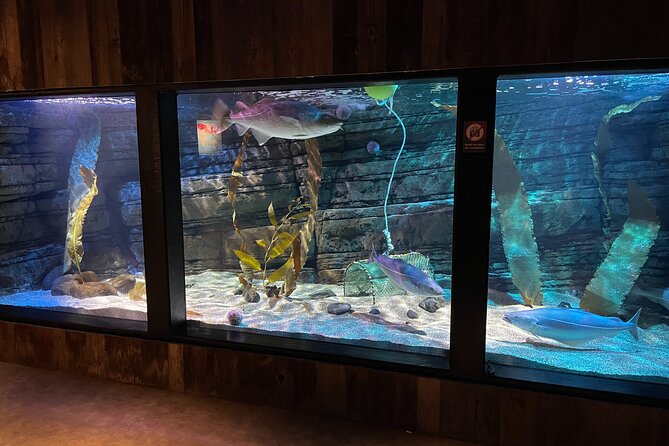
After the beluga viewing, you move into the native species aquarium portion of the experience. This is not just “another tank.” The point is to broaden your understanding of the island’s marine environment.
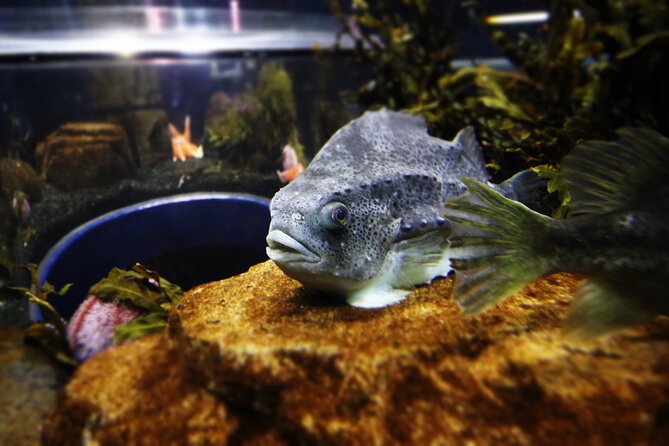
The reviews and descriptions highlight how well this part connects to the surrounding waters. You get an overview of sea fauna in the region, including attention to the Westman Islands and Iceland area. That context helps you stop thinking of each animal as isolated.
Practically, it is also a good pacing tool. If you feel overstimulated by whale watching, the aquarium gives a calmer viewing rhythm. You also get more chances to spot smaller forms of life, which is satisfying if you enjoy scanning displays.
One tip: spend a few extra minutes here if you like learning. The aquarium component makes the sanctuary feel more complete, because it frames conservation as an ecosystem story rather than a single-animal story.
Puffin hospital: conservation you can actually see in action
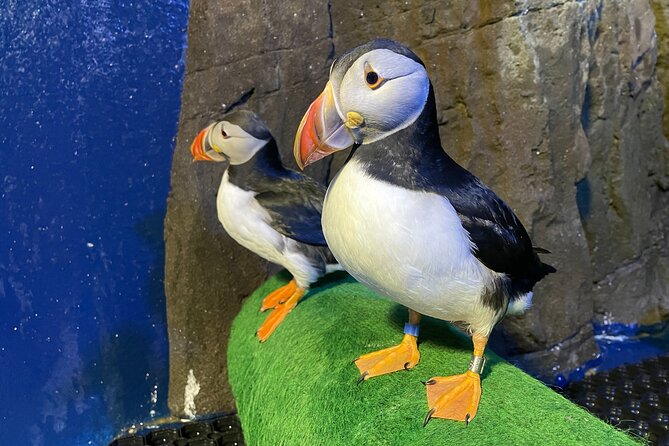
Then you come to the part that often brings out the widest smiles: the puffin hospital. It is tied to the vital work being done to protect puffins in the area, and it is presented as active care, not just cute wildlife viewing.
A standout in the descriptions is how puffins are shown in tank spaces, with feeding moments included in the experience. That feeding timing helps make the puffins feel alive and real, not just decorative.
There is also a powerful emotional balance here. You see penguin-style charm, but you are also seeing the seriousness of the work. Puffin protection is weather and season dependent, so a hospital setting makes sense, and it gives you a clearer idea of what conservation looks like on a practical level.
If you care about bird conservation, this is the section that can shift how you think about the species. You stop imagining puffins only as summertime icons and start seeing how care and monitoring keep them going through harsher conditions.
How long it takes, and how to fit it into your Vik day
You should plan for about 40 minutes. That makes it easy to build into a road trip day where you are also driving for waterfalls, black sand beaches, or viewpoints around South Iceland. It is also a helpful option if your schedule includes ferry timing that you cannot fully control.
Because it is short, it is best as a single, focused stop. If you try to stack it between long drives, you may end up stressed if you hit traffic or if the center has fewer viewing moments than expected. I recommend treating it like a planned pause, not a rushed checkbox.
The visitor centre hours are listed as 10:00 AM to 4:00 PM daily (based on the operating window shown). In real life, I’d still aim to arrive with a buffer, so you are not sprinting in with cold hands and impatient legs.
Mobile ticket and how to make your visit smooth
You get a mobile ticket, and the booking includes confirmation at the time of booking. That is convenient if you are juggling multiple reservations during a trip. It also reduces the hassle of printing or tracking paper.
The location is near public transportation. That is useful if you are using a bus plan for Vik or if you prefer not to depend on parking. Service animals are allowed, and the experience is noted as suitable for most travelers, which generally means it is not an extreme physical challenge.
The practical takeaway is that you can usually treat this as an easy add-on. You still want your day planned around the weather and the time window, but it is not the kind of excursion that requires special gear.
The weather factor: small decision, real impact
This experience is described as requiring good weather. That matters in Iceland more than most places, because sea conditions and wind can affect operations even when the destination is on land.
If the experience is canceled due to poor weather, you will be offered a different date or a full refund. That policy can be reassuring, but it also means you should keep some flexibility in your itinerary if possible.
Here is my honest planning advice: if your timing depends on a ferry connection, build a buffer day or at least a flexible plan. One negative report you will see mentions frustration when weather canceled a ferry and the visitor could not reschedule in a way that worked for their next flight. You cannot control wind, but you can control how tight your schedule is.
Value for time: what you get in about 40 minutes
Since the exact price is not part of the details here, I will judge value by what is included and how long it takes. Admission to the sanctuary visit is included, and you get a full thematic route, not just a quick window-viewing moment.
You get:
- A visitor-centre tour about belugas and why they are here
- Native species aquarium viewing
- The puffin hospital component focused on care work
That bundle is the value. If you are only into whales, you still get meaningful extra context. If you are primarily there for puffins and birds, the beluga and aquarium story adds ecosystem perspective. It is also a time-saver. Many attractions in Iceland either run long or require a separate excursion to feel worth it. This one is built to count.
So if you want animal-focused content without burning half your day, this is a strong fit. If you crave a deep lecture, a behind-the-scenes care session, or a long multi-hour museum style visit, you may prefer something else with more time built in.
Who this sanctuary visit is best for
This works especially well for:
- Families who want a short, high-payoff visit with adorable puffins and lively beluga viewing
- Animal lovers who like conservation context rather than only spectacle
- Travelers doing South Iceland who want one indoor anchor when weather shifts
- People who enjoy short experiences that still feel meaningful
It may not be ideal for you if you are the type who needs hours of wandering. This tour’s power is its focus. You get a connected story, then you move on.
It is also a good pick for first-timers to Iceland wildlife attractions because it balances charm with a conservation angle. You leave with an explanation for the animals’ presence, not just a photo memory.
Tips to get the most from the windows and tanks
You do not need special skills to enjoy this. But you can make your visit better with a few habits.
First, slow down at the observation window. Stand in one spot and let the belugas move into your view. When you constantly change positions, it can be harder to catch their circling behavior.
Second, treat the aquarium and puffin hospital as part of the same story. If you rush through, you miss how the sanctuary frames protection as connected work, not isolated exhibits.
Third, ask questions if staff prompt for them. Multiple notes from visitors point to helpful staff and good answers to questions. That matters here, because the key value is understanding why these animals are cared for the way they are.
Should you book the Beluga and Puffin Sanctuary visitor centre?
Book it if you want a short, well-paced animal-focused visit in Vik that also explains conservation in plain terms. You get beluga observation, native sea life context, and puffin hospital care work in about 40 minutes, which is excellent value for a tight Iceland itinerary.
Skip it if you hate short attractions or you are expecting a long, multi-room experience with extended viewing time. This sanctuary visit is designed to be efficient, not sprawling.
If you can travel with weather flexibility, it is a smart stop to add. Just keep your schedule buffer in mind, especially if the rest of your trip depends on ferry days and wind.
FAQ
Where is the SEA LIFE Trust Beluga Whale Sanctuary?
It is in Vik, Iceland.
How long does the visit take?
The experience is approximately 40 minutes.
What does the admission include?
Admission is included, and the visit covers the visitor centre tour, beluga whale information, a native species aquarium, and the puffin hospital.
Do I need to print anything, or is it a mobile ticket?
You’ll use a mobile ticket.
What are the opening hours?
The listed hours are 10:00 AM to 4:00 PM, Monday through Sunday.
Is good weather required?
Yes, the experience requires good weather.
What happens if it’s canceled due to poor weather?
If it is canceled due to poor weather, you will be offered a different date or a full refund.
Are service animals allowed?
Yes, service animals are allowed.
Is it near public transportation?
Yes, it is near public transportation.
Can I cancel for a full refund?
You can cancel up to 24 hours in advance for a full refund.
More Tour Reviews in Vik




More Vik write-ups from our desk
- Private Ice Climbing on Sólheimajökull
★ 5.0 · 3 reviews - Highland Snowmobiling Tour in Southern Iceland
★ 5.0 · 3 reviews - Easy Hike on Sólheimajökull Glacier
★ 5.0 · 3 reviews - Exclusive Ice Climbing Experience on Sólheimajökull
★ 5.0 · 3 reviews - Þórsmörk Buggy Adventure Tour in Southern Iceland
★ 5.0 · 4 reviews - Hvolsvöllur: Private Thorsmork Guided Day Hike by Super Jeep
★ 5.0 · 4 reviews
Puffin Watching Tours, compared.
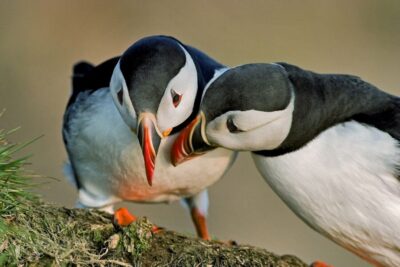 ★ 4.6Reykjavik: Puffin Watching Boat TourFrom $641,052 reviews
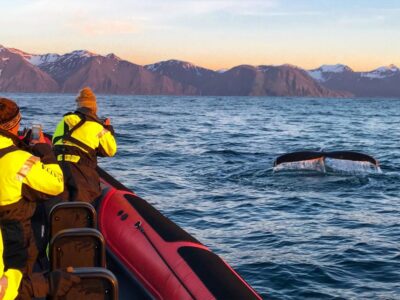 ★ 4.8Húsavík: Big Whales and Puffin Island Speedboat TourFrom $198979 reviews
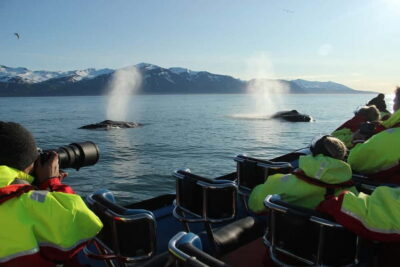 ★ 4.8Húsavík: Original Big Whale Safari & Puffins by SpeedboatFrom $159973 reviews
 ★ 5.0Puffin and Volcano Tour with EbbiFrom $114731 reviews
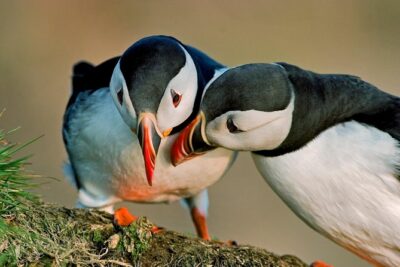 ★ 4.5Puffin Cruise with Expert Tour Guide from ReykjavikFrom $63636 reviews
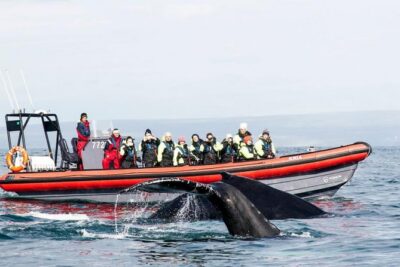 ★ 5.0Big Whales & Puffins RIB boat tour from HúsavíkFrom $203501 reviews
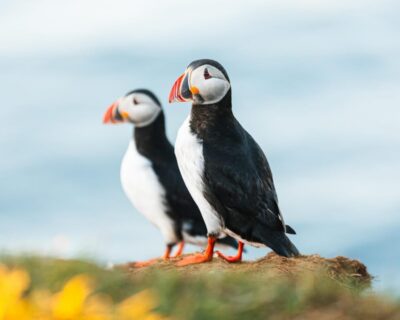 ★ 4.6Húsavík: Whale-Watching Cruise and Puffins Guided TourFrom $135444 reviews
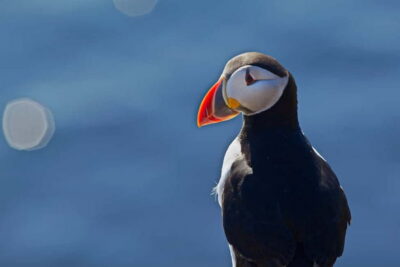 ★ 4.3Reykjavik: Whales and Puffins Express Cruise Combo TourFrom $148442 reviews
Browse the lists this tour appears in