
Review · WHALE WATCHING
Beluga Whale Sanctuary – Admissions
Two belugas, one big conservation mission. In Vestmannaeyjar, the Sea Life Trust Beluga Whale Sanctuary lets you learn the story of Little White and Little Grey, and what their new Iceland home means for marine care. Add in the puffin work and local ocean animals, and you get a visit that feels more mission-led than sightseeing.
I especially like the focus on conservation education. The Visitor Centre explains the belugas journey, and the displays help you connect what you see at the viewing area to real rehabilitation and protection work. If you also care about seabirds, the Puffin Rescue Centre is the standout add-on, because you can watch the center’s ongoing efforts to rehabilitate and protect puffins.
One consideration: the beluga viewing area can feel tight, and the window for spotting them may not be big. On busy days, that can mean crowding and short, crowded viewing turns, which is the part I’d plan around if you want calm animal watching.
In This Review
- Key things to know before you go
- Getting there: Vestmannaeyjar, the 30-minute ferry, and a real island feel
- Price and value: what $30 buys you (and what it does not)
- Visitor Centre: Little White and Little Grey’s story, and what to pay attention to
- Beluga whale viewing: how to manage expectations in a small setup
- Puffin Rescue Centre: the part that turns a visit into conservation work
- Native species aquarium: local marine biodiversity you can connect to the rest
- Guided tour at 2 PM: whether it’s worth timing your day
- Accessibility, pacing, and the “small space” reality
- Who should book this sanctuary, and who might feel let down
- Should you book the Beluga Whale Sanctuary?
- FAQ
- FAQ
- How much does admission cost for the Beluga Whale Sanctuary?
- How long is the Beluga Whale Sanctuary experience?
- Where is the sanctuary located, and how do you get there?
- Which animals and areas can I visit with admission?
- Is the 2 PM guided tour included?
- Is the sanctuary wheelchair accessible?
- What is the cancellation policy?
Key things to know before you go
- World-first sanctuary: The Sea Life Trust Beluga Whale Sanctuary is the world’s first dedicated to beluga whales.
- Resident belugas by name: You’re there for Little White and Little Grey, both cared for by the center.
- More than belugas: You’ll also visit the Puffin Rescue Centre and a native species aquarium.
- A short, focused visit: The experience is built for a 1 day stop, with time to see exhibits without marathon walking.
- Plan for the viewing setup: Reviews and on-site feedback point to a small viewing area and limited window size.
- Optional guided time at 2 PM: A guided tour runs daily at 2 PM, but it is not included with standard admission.
Getting there: Vestmannaeyjar, the 30-minute ferry, and a real island feel
This sanctuary is in Vestmannaeyjar, not in mainland Reykjavik-style Iceland. The good news is the location is still easy to reach for a day trip, because you take a ferry that’s about 30 minutes from Seljalandsfoss.
That island setting matters. It makes the animals feel connected to their ecosystem, not like a random stop you fit in between other sights. For many people, this is the kind of place where the travel time adds mood, and the salt-air vibe makes the conservation story feel more grounded.
Price and value: what $30 buys you (and what it does not)
The admission price is $30 per person for a 1 day visit. For that, you get entry to the sanctuary plus the core education stops: beluga whale displays, the Puffin Rescue Centre, and the native aquarium.
The best value detail here is the mission. The center’s stated purpose is marine conservation and education, and all proceeds support marine conservation efforts. So you’re paying for more than a viewing session, you’re supporting rehabilitation and care work.
Two practical notes. First, a guided tour happens every day at 2 PM, but it is not included in the admission. Second, you can’t assume the visit is a full guided, lecture-style experience, because your entry includes access to the exhibits rather than a guaranteed guide at every moment.
Visitor Centre: Little White and Little Grey’s story, and what to pay attention to
Start at the Visitor Centre, because it gives the emotional context for what you’ll see next. This is where you learn the story of the belugas journey and why they now call this Iceland location home.
I like Visitor Centres that do more than post facts. Here, the intent is to connect the animal names you’ll see later, Little White and Little Grey, with why they’re part of a sanctuary setting. If you take 10 or 15 minutes to read the displays before you reach the viewing area, the whole visit clicks into place faster.
Even if you’re not a deep science reader, this part helps you understand the difference between a sanctuary and a typical exhibit. You’re not just looking for cute animals, you’re learning the conservation logic behind permanent care for residents.
Beluga whale viewing: how to manage expectations in a small setup
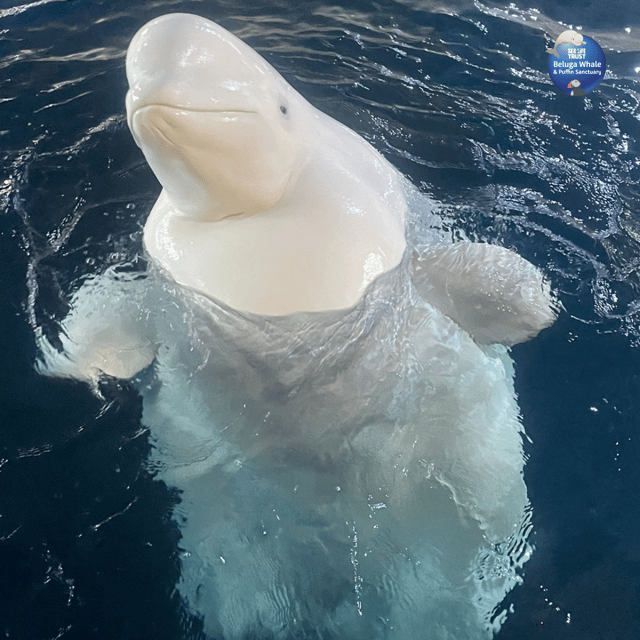
The beluga experience is the headline, and yes, the whales are the reason most people show up. You’re there to meet the sanctuary residents, and they are viewed from a dedicated area with a window.
Here’s the realistic consideration. Some feedback points to a small viewing area and a limited window size, which can make it harder to get a good look. If you want the best chance at longer viewing time, plan for that constraint and be patient.
I also take seriously concerns about space and comfort. One review raised the feeling that the belugas might not have enough room to thrive. You might never be able to judge habitat size from a viewing window alone, but it’s still a good reminder that your main way of understanding animal welfare here is through the sanctuary’s education and care approach.
How to make your viewing more rewarding:
- Go in ready to focus on behavior, not just appearance.
- If it gets crowded, take your turn and then use the Visitor Centre exhibits to keep the experience from feeling frustrating.
- Keep the viewing space clear for people behind you, because tight quarters get stressful fast.
Puffin Rescue Centre: the part that turns a visit into conservation work
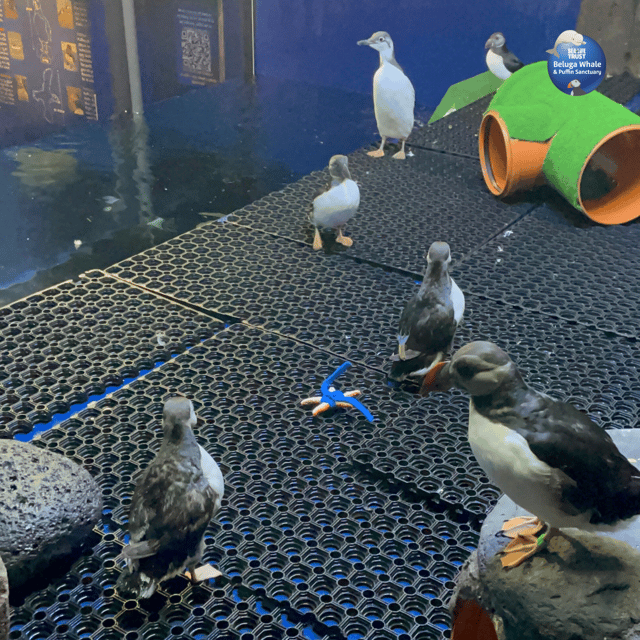
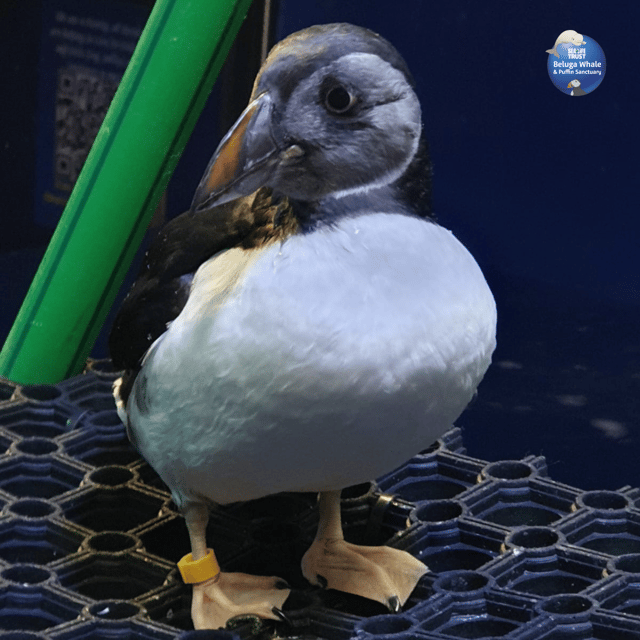
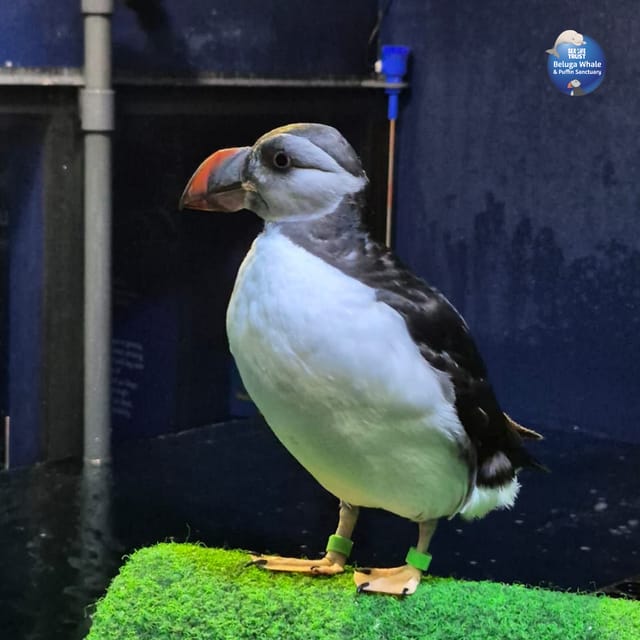
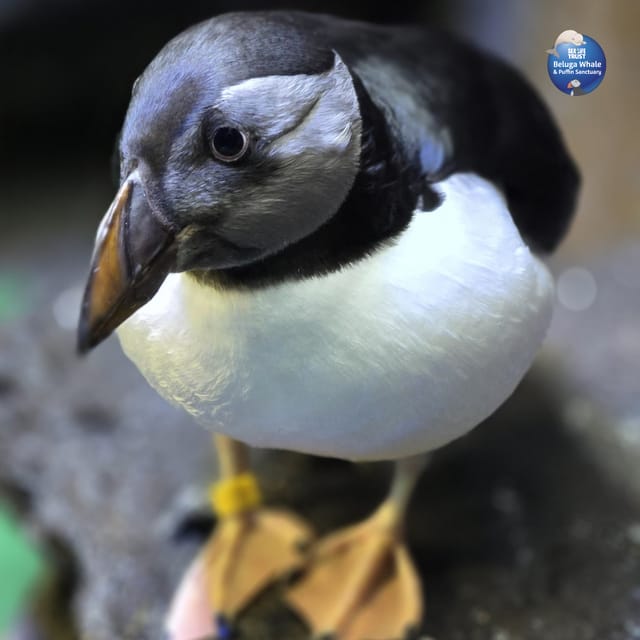
If belugas are the draw, the Puffin Rescue Centre is often the reason people feel good after they leave. The center’s ongoing efforts focus on rehabilitating and protecting puffins, and the whole setup is meant to show care in action, not just wildlife as a photo opportunity.
What I like about this stop is that it shifts the mood. It’s not only about watching animals, it’s about learning what rescue and rehabilitation can look like. Even if you only spend a short time there, you walk away with a clearer sense of why seabird protection is urgent in ocean ecosystems.
One thing to double-check in your planning: some feedback indicated the puffin section was closed at the time of a visit. I can’t promise what will be open on your day, so if puffins are your top priority, it’s worth asking at the sanctuary before you finalize how you spend your time.
Native species aquarium: local marine biodiversity you can connect to the rest
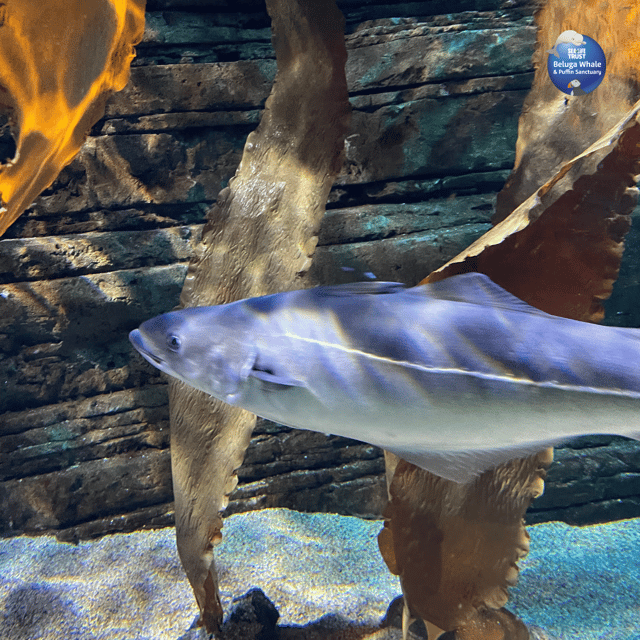
Next up is the Native Species Aquarium, which is there to broaden the story beyond belugas and puffins. You get a chance to explore local marine biodiversity, and that makes the whole visit feel more complete.
This is where the sanctuary’s education goal shows. When the aquarium includes species found in the area, you start understanding the marine web that supports the animals you came to see. It’s especially helpful if you’re traveling through Iceland and want one place where the ocean theme is coherent, not scattered across different stops.
If you’re traveling with kids, this portion can also work well because it gives variety beyond one big “wow moment.” If you’re traveling solo, it’s a nice way to slow down after a tight beluga viewing experience.
Guided tour at 2 PM: whether it’s worth timing your day
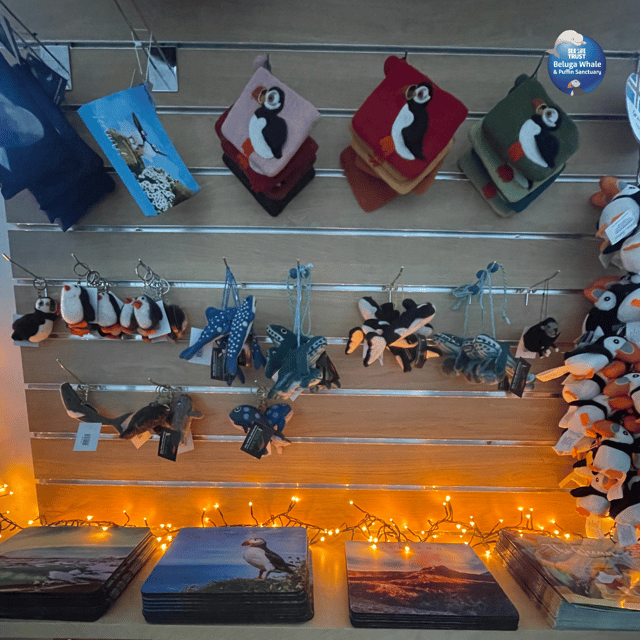
A guided tour runs daily at 2 PM, and it is not included with standard admission. The listing suggests it’s an add-on option, which means it’s best for people who want more structure and explanations beyond the self-guided exhibits.
Should you care? If you’re the type who enjoys hearing care stories and learning how the center thinks about welfare and conservation, a timed tour can be a strong use of your day. If you prefer flexible pacing, you might skip it and focus on the exhibits at your own speed.
Either way, the key point is timing. A sanctuary visit is short enough that your plan affects your mood. If you want more calm viewing, you’ll probably want to avoid stacking your most important viewing moment with peak crowd energy.
Accessibility, pacing, and the “small space” reality
This is wheelchair accessible, which is a big deal for an attraction that may involve compact spaces. If you need accessible routes or extra time, build in buffer time so you can move without feeling rushed.
Also, recognize the “small space” reality. Some feedback described the experience as compact, with a limited viewing area and occasional crowding. Even though this is a sanctuary with an educational purpose, the physical layout can still feel intense during busy periods.
My practical advice:
- Arrive with a plan: Visitor Centre first, then beluga viewing, then puffins and aquarium.
- If you see crowd pressure near the window, step back and refocus on the exhibits so your visit stays meaningful.
- If you’re with kids, set expectations that the best animal time might be short, then shift to puffins and the aquarium to keep things satisfying.
Who should book this sanctuary, and who might feel let down
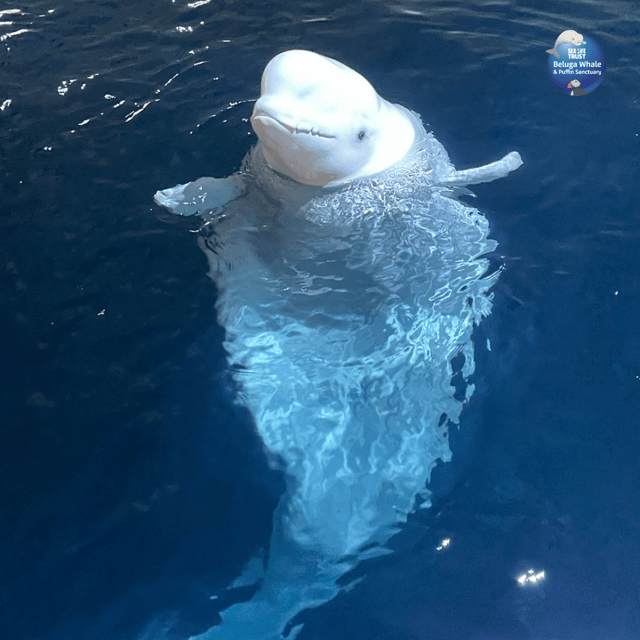
This is a strong pick if you want hands-on conservation education with named resident animals. You’re getting a beluga-focused sanctuary, the only Puffin Rescue Centre in Iceland, plus a native species aquarium in the same day. If that mix fits your travel style, the visit is likely to land well.
It’s also a good fit if you appreciate mission-led places. Knowing that admission supports marine conservation efforts helps the experience feel purposeful, not transactional.
Who should consider carefully: if you’re expecting a huge aquarium with wide viewing windows and lots of space to spread out, you might find it too small. Some feedback described limited views of the belugas and disappointing value when the focus felt too narrow.
Finally, if your top goal is puffins, double-check what’s open on your day. Some visits reported the puffin section being closed, which can change the feel of the whole experience.
Should you book the Beluga Whale Sanctuary?
I think this is worth booking if you’re coming for conservation education and you like seeing rehabilitation work up close. The sanctuary’s structure gives you more than one animal theme, with beluga care, puffin rehabilitation, and local marine biodiversity under one roof.
Book with realistic expectations on viewing comfort. The beluga window and viewing area can feel limited, and tight spaces can mean crowds. If you’re okay with that, and you’re there for the mission as much as the sighting, the experience is likely to feel rewarding.
FAQ
FAQ
How much does admission cost for the Beluga Whale Sanctuary?
Admission is $30 per person.
How long is the Beluga Whale Sanctuary experience?
The duration is listed as 1 day.
Where is the sanctuary located, and how do you get there?
It’s located in Vestmannaeyjar, accessible by a 30-minute ferry ride from Seljalandsfoss.
Which animals and areas can I visit with admission?
Your admission includes the beluga sanctuary entry, educational displays about belugas, access to the Puffin Rescue Centre, and the Native Aquarium.
Is the 2 PM guided tour included?
No. A guided tour takes place every day at 2 PM, but it is not included.
Is the sanctuary wheelchair accessible?
Yes, it is wheelchair accessible.
What is the cancellation policy?
You can cancel up to 24 hours in advance for a full refund.
Whale Watching, compared.
 ★ 4.6Akureyri: 3-Hour Classic Whale Watching Tour by ShipFrom $1083,000 reviews
 ★ 4.5Reykjavík: Whale Watching Cruise on the Amelia Rose YachtFrom $1072,911 reviews
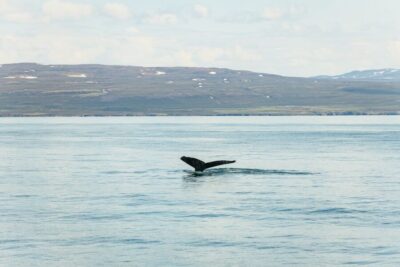 ★ 4.6Húsavík: Whale Watching Tour with GuideFrom $1152,761 reviews
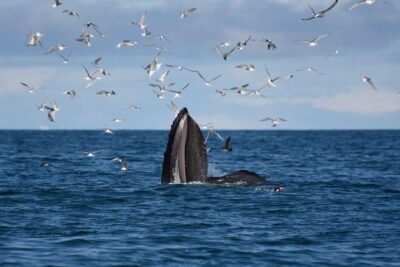 ★ 4.5The Original Classic Whale Watching from ReykjavikFrom $1052,626 reviews
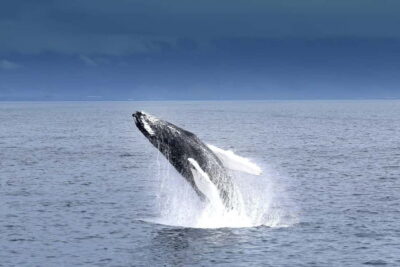 ★ 4.2Reykjavik: Whale Watching Tour with Expert GuideFrom $902,307 reviews
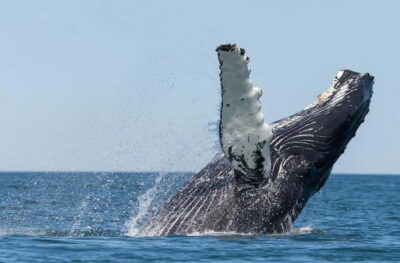 ★ 4.5Húsavík: Traditional Whale Watching by Local Family CompanyFrom $911,735 reviews
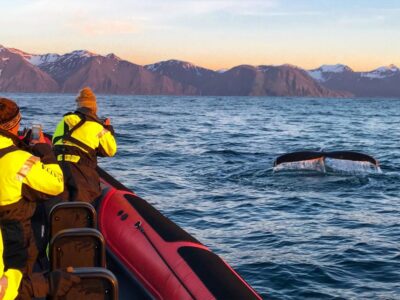 ★ 4.8Húsavík: Big Whales and Puffin Island Speedboat TourFrom $198979 reviews
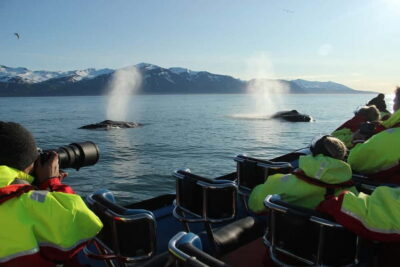 ★ 4.8Húsavík: Original Big Whale Safari & Puffins by SpeedboatFrom $159973 reviews
Browse the lists this tour appears in