
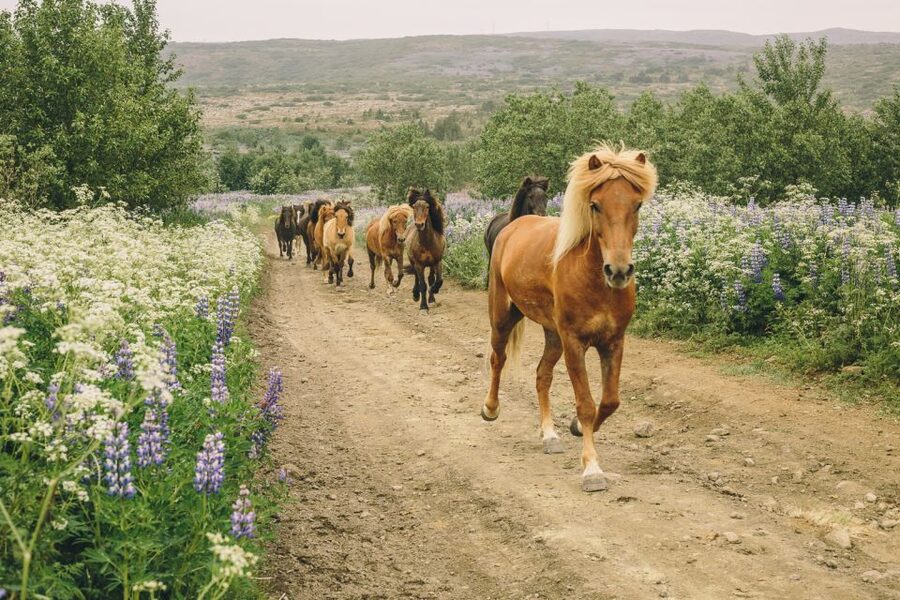
Review · ICELANDIC HORSE RIDING TOURS
From Reykjavík: Viking Horseback Tour in Hafnarfjörður
That first trot can feel like magic. In Hafnarfjörður, you get real riding time on Icelandic horses, plus the chance to practice their signature gaits just minutes from Reykjavík. The setting is the Reykjanes preservation area, so you’re not stuck riding in a fenced arena.
Two things I really like here: the staff take horse-and-rider matching seriously, and you’re set up with the right safety gear (helmets, rubber boots, rainwear or warm layers). Also, the small group limit (up to 12) makes it easier for the guide to keep you in control and adjust your riding as conditions change. You’ll feel like part of the operation, not shuffled through.
One drawback to plan around: this is not for casual riders. It’s a 3-hour trip that’s for strong intermediate riders only, with a minimum age of 12 and a weight limit of 110 kg (250 lb).
In This Review
- Key things to know before you saddle up
- Why Hafnarfjörður makes this ride feel easy to fit in
- The horse matching is the difference between fun and frustration
- From the barn to the trail: what the 3-hour experience really feels like
- Meeting point and pickup
- Time with the horses
- Riding instruction and gaits
- Reykjanes country at riding pace: lava fields, wind, and mountain backdrops
- Icelandic gaits explained the way you’ll feel them on your saddle
- Comfort and gear: what you’ll get, what you should bring, what to leave behind
- The safety and rules that protect you (and the unborn, too)
- Price and value: is $246 per person worth it?
- Who should book this Viking horseback tour (and who should skip it)
- Should you book this Viking horseback tour in Hafnarfjörður?
- FAQ
- How long is the Viking Horseback Tour in Hafnarfjörður?
- What is the minimum age and weight limit?
- What riding level is required?
- What should I bring for the ride?
- Where is the meeting point, and when should I arrive?
- Can I bring a backpack or large camera?
Key things to know before you saddle up
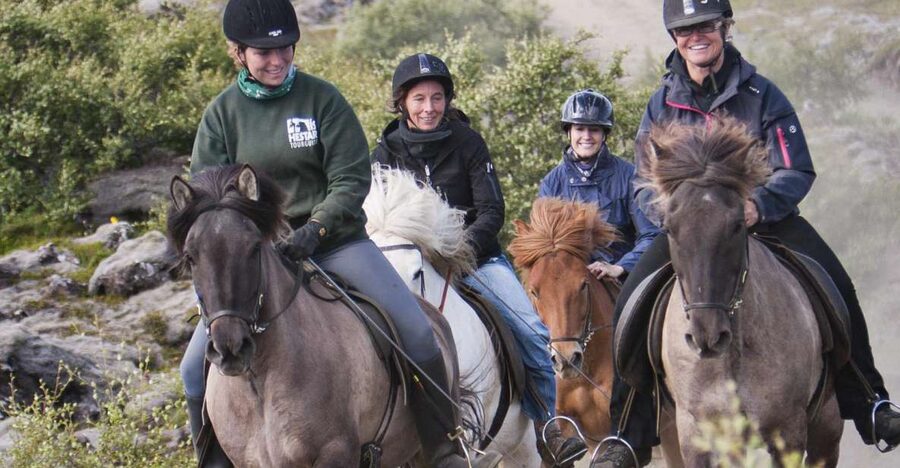
- Hafnarfjörður is close to Reykjavík, about a 10-minute drive from the city, so you’re not losing your whole day in transit.
- Expect tölt plus faster work (canter, and sometimes more), because the tour is built for riders who can handle the full range of gaits.
- Small groups max out at 12, so you get more personal attention while you ride through uneven terrain.
- Gear is handled for you, including helmets and weather layers, but you cannot bring a backpack or large camera on the ride.
- Meet early, plan to arrive 30 minutes before departure so you can settle in and get fitted properly.
Tolt across lava and beach. Other stables we visited
Why Hafnarfjörður makes this ride feel easy to fit in
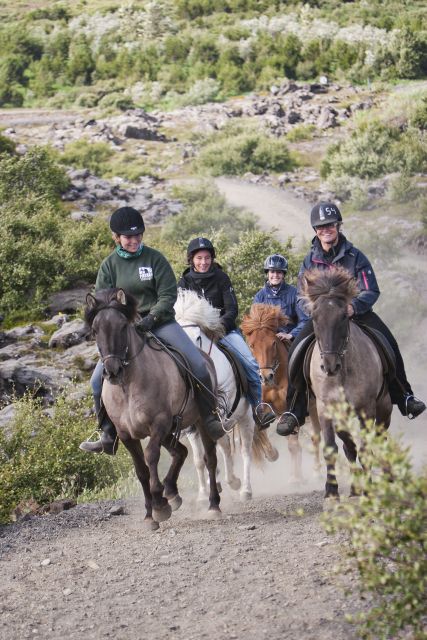
If you want Icelandic horseback riding without turning it into a whole-day logistics puzzle, Hafnarfjörður is a smart choice. The stables sit in the countryside just outside town, and you’re only around a 10-minute drive from Reykjavík. That matters on a trip where you’ve already got waterfalls, hot springs, or the Blue Lagoon on your list.
This tour also gives you a useful contrast to city life. You start near Reykjavík, but once you’re mounted you’re working in the Reykjanes world of open country, lava rock, and mountain backdrops. It’s the kind of scenery you can feel physically, because the pace and terrain change how you ride, not just how the view looks.
The horse matching is the difference between fun and frustration
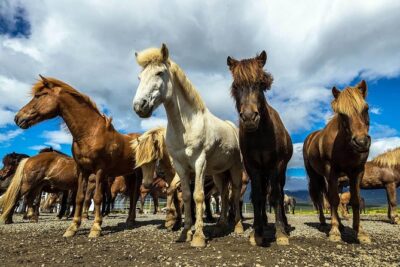
The biggest win is that Íshestar staff don’t treat every rider the same. They’re focused on finding horses that suit individual riders and also keep the group safe together. In the reviews, you repeatedly see the same theme: the horses are well cared for, and the guides choose mounts that let riders experience Icelandic gaits without turning the ride into a constant negotiation.
You’ll also get solid support around safety basics. Before you ride, you’re provided with warm overalls, rainwear, riding boots, and helmets in the right sizes. That means you’re not trying to improvise with shoes that are too slick or a coat that doesn’t handle Iceland wind and drizzle.
A few rules to take seriously:
- Anyone under the influence of alcohol or drugs won’t be allowed on the tour.
- Pregnant women aren’t permitted due to possible risk in an accident.
- Weight limit is 110 kg (250 lb), so check this early.
Finally, this is a small group tour with limited capacity. With a maximum of 12 participants, you’re less likely to feel like you’re riding in a line that’s constantly stretched or slowed down.
From the barn to the trail: what the 3-hour experience really feels like
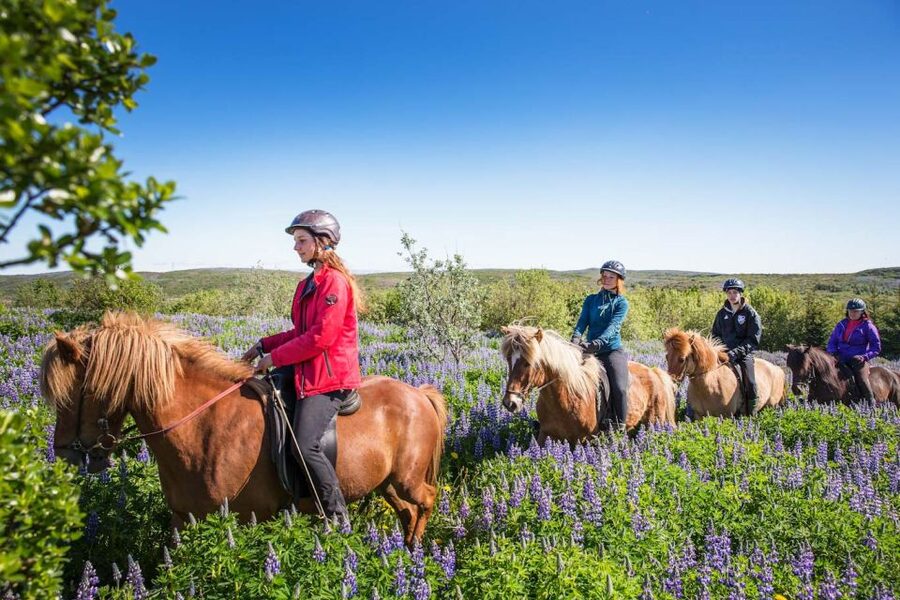
This ride runs as a 3-hour tour, but the amount of time in the saddle is around 2.5 to 3 hours, including stops. That’s a great ratio for Iceland, where weather can chew up time quickly. You’re not just getting a “tour” with a brief ride attached.
Other Reykjavik outings that keep coming up in our notes
- Red Lava Horse Riding Tour From Reykjavik★ 5.0 · 386 reviews
- Golden Circle, Fridheimar Farm & Horses Small Group Tour from Reykjavik★ 5.0 · 309 reviews
- Reykjavik: Small-Group Horse Volcano Riding Tour with Pickup★ 4.7 · 196 reviews
- Silver Circle: Lava Cave, Waterfalls & Iceland Horses-Small Group★ 5.0 · 181 reviews
- Viking Horse Riding and Golden Circle Tour from Reykjavik★ 4.5 · 151 reviews
Meeting point and pickup
Your meeting point is Sörlaskeið 26, 220 Hafnarfjörður. Plan to arrive 30 minutes early so you have time to check in, get gear, and get comfortable before mounting.
Pickup is optional from Reykjavík, but it follows a practical setup: hotel and designated bus stops only. If you’re staying in a private apartment, you’ll be emailed the closest pickup point. After the ride, drop-off happens at multiple Reykjavík locations, including major bus terminals and several well-known hotels and stops.
Time with the horses
One of the small pleasures here is that you’re not thrown on a horse immediately. People describe being invited to visit the horses in the barn, to meet them up close and get some pets in before riding. Even if you think you’re too excited to care, this little buffer helps you read the horse’s mood and settle your own nerves.
Riding instruction and gaits
Right away, you’re learning how the Icelandic horse moves and how to ride their different gaits. This is the real point of the tour. You’re not paying for scenic photos only. You’re paying to experience gait work, like tölt, at a pace that shows off what Icelandic horses are famous for.
A recurring theme in rider feedback is that the guide keeps people matched well, and that you get genuine time at the gaits. Some riders mention plenty of tölting, plus stretches of canter, and for certain groups, even faster work. That fits the tour’s “strong intermediate only” design.
Reykjanes country at riding pace: lava fields, wind, and mountain backdrops
The Reykjanes preservation area is the star of the show. It’s close to Reykjavík, but it doesn’t feel like a city outing. Expect to ride through a mix of terrain, including lava fields and open stretches that lead your eyes toward mountains and volcanic backdrops.
This kind of riding is also physically honest. The ground can be uneven, and the wind can shift quickly. One rider noted it was extremely windy and still described the horses as well-behaved in a group. That tells me the operation isn’t just hoping for good weather. They’re selecting horses and adjusting their approach based on real conditions.
What to watch for as you ride:
- If the wind picks up, your horse’s attention can change. That’s when rider position and calm handling really matter.
- Uneven footing rewards steadiness over gripping harder.
- Your group spacing matters more than on flat, groomed paths.
If you’re the type who likes riding because you like riding, not just because it’s an activity, you’ll probably enjoy how this feels.
Icelandic gaits explained the way you’ll feel them on your saddle
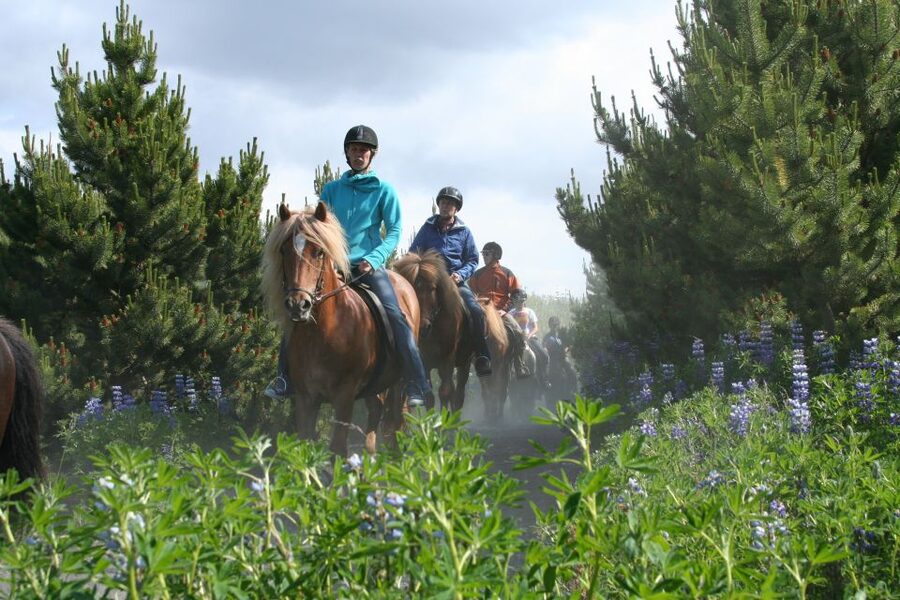
“Icelandic horse” is more than a breed name here. The tour is built around the horses’ movement patterns, and the guide helps you ride them with more confidence.
Here’s what you’re likely to notice:
- Tölt is the signature gait people rave about. Riders describe it as smooth and comfortable, and it’s often where you get the most “aha” moment about why people come to Iceland to ride these horses.
- Canter is used as a training and experience moment. Intermediate riders mention that control at canter is important here. If you can’t stay centered and balanced, the speed will feel like it’s running you.
- Trot and other transitions show up too. Riders who felt most comfortable talked about how the guide’s match and pacing made it manageable rather than chaotic.
The key idea for you: this is a tour where you’ll practice, not just observe. If you’re comfortable with multiple gaits and can stay in control when the pace changes, the ride becomes rewarding. If not, you may spend the best part of the tour worrying instead of enjoying.
Comfort and gear: what you’ll get, what you should bring, what to leave behind
Íshestar sets you up well for Iceland weather. You’re provided with:
- Warm overalls and/or rainwear
- Riding boots
- Rubber boots
- Helmet
That’s huge value because Iceland kit can be expensive, and getting the wrong gloves or boots can ruin riding comfort.
For your own packing list, keep it simple:
- Sunglasses
- Hat
- Gloves
- Weather-appropriate clothing (layers help)
One important practical detail: gear rules for bringing your own riding stuff into Iceland. If you plan to travel with riding boots, trousers, or other gear, it needs to be washed at 40°C, dry cleaned, or disinfected before bringing it into Iceland. Used leather riding gear may not be brought into the country. If you’re unsure, plan to rely on what the stables provide.
You’ll also want to think about what you carry. Backpacks, bags, and large cameras can’t go on the ride. There are safety boxes at the Riding Centre for valuables, so bring only what you need for check-in and then store the rest.
The safety and rules that protect you (and the unborn, too)
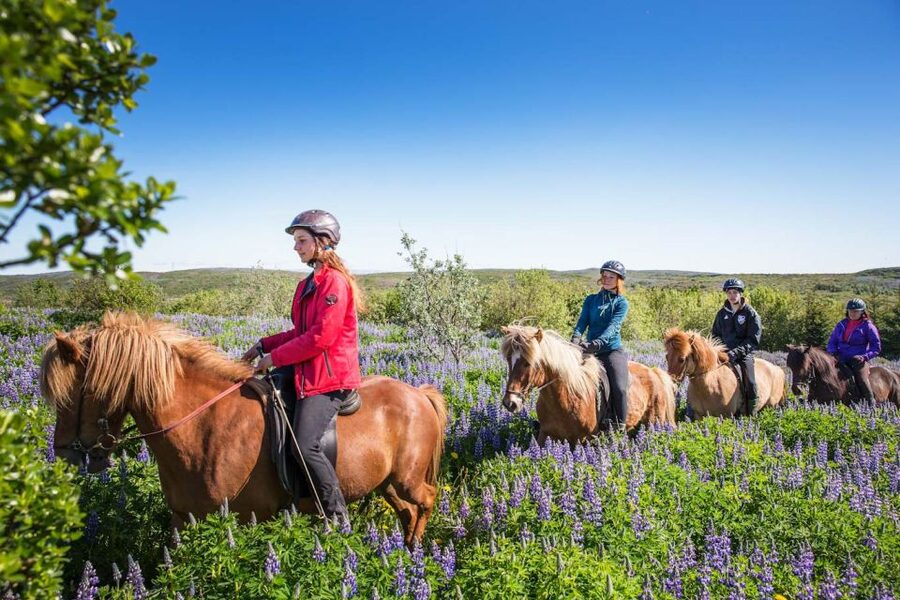
This tour includes clear safety boundaries, and they’re not just paperwork. The operator notes that anyone influenced by alcohol or intoxicating drugs won’t be permitted. Pregnant women also aren’t permitted due to possible damage to an unborn child in case of an accident.
There’s also a practical safety approach in how the group is run:
- You’ll be guided by an English-speaking guide (with Icelandic and German also available).
- Group size is small.
- If a group gets divided during the ride, parents must stay in the same group as their children.
As for physical readiness, the tour is for strong intermediate riders only. That means you should be comfortable in control at all paces, not just at a walk and trot.
If you’re recovering from an injury or have limited mobility, this matters. One rider mentioned support with mounting and dismounting after knee surgery, which hints that the staff can be kind and practical when you need help. Still, don’t assume this tour is a gentle option. It’s uneven terrain plus real gait work.
Price and value: is $246 per person worth it?
At $246 per person for a 3-hour tour, you’re paying for three things that don’t always come together in Iceland:
- A real riding session (around 2.5 to 3 hours in the saddle time, including stops).
- Included gear like helmets and weather layers, plus rubber boots.
- Small-group attention, capped at 12 riders, which is important when you need to be matched well and keep control at canter.
This is also a value move because you’re starting close to Reykjavík. Optional transfers help you avoid renting a car just to ride horses for a few hours.
The catch is the rider level. This isn’t a budget activity for absolute beginners. If you don’t meet the strong intermediate requirement, you may not get the experience you’re paying for. But if you do meet it, the time in the saddle plus the focus on tölt and gait variety is exactly what you’d hope for.
Who should book this Viking horseback tour (and who should skip it)
This tour is best for riders who already know how to handle an Icelandic horse at more than a walking pace. The operator’s standard is strong intermediate, including riders comfortable and in control at all gaits, which they describe as riding about 30 times or more in a lifetime.
So, who fits?
- Riders who want tölt and canter time, not just a slow loop
- People who enjoy riding on uneven terrain
- Experienced teen riders (minimum age is 12, but skill matters more than age)
Who should skip or choose a different option?
- Beginners who are still figuring out basic control at transitions
- Anyone who can’t confidently manage canter, because this ride is designed for that level
- Riders over the 110 kg (250 lb) limit
- Anyone who doesn’t meet the safety rules around alcohol and pregnancy
If you’re unsure where you stand, use the tour’s skill description as a reality check. Better to pick the right match now than to spend the ride trying to catch up.
Should you book this Viking horseback tour in Hafnarfjörður?
Book it if you want a tight, high-quality riding experience close to Reykjavík, and you’re ready for more than walk-and-pose. If your goal is to feel Icelandic gaits the way they’re meant to feel, this is the kind of tour that delivers.
I’d especially recommend it if:
- You’re comfortable riding at canter and want tölt time
- You like small groups and clear guidance
- You don’t want a full day of driving to reach the riding area
I would hesitate if:
- You’re a casual rider who mostly enjoys gentle routes
- You expect a fully relaxed pace at all times
- You have any uncertainty about controlling your horse when speed and terrain shift
If you’re in that sweet spot of strong intermediate rider, you’ll likely leave with the feeling that you actually rode Iceland, not just visited it.
FAQ
How long is the Viking Horseback Tour in Hafnarfjörður?
The tour duration is 3 hours, with around 2.5 to 3 hours of actual riding time including stops.
What is the minimum age and weight limit?
The minimum age is 12 years. The weight limit is 110 kilograms (250 pounds).
What riding level is required?
This 3-hour trip is for strong intermediate riders only. You should be comfortable and in control at all paces, and the operator describes this as riding about 30 times or more in your lifetime.
What should I bring for the ride?
Bring sunglasses, a hat, gloves, and weather-appropriate clothing. You’ll also be provided with riding gear, including a helmet and suitable layers.
Where is the meeting point, and when should I arrive?
The meeting point is Sörlaskeið 26, 220 Hafnarfjörður. Arrive 30 minutes before the tour departure time.
Can I bring a backpack or large camera?
No. Backpacks, bags, or large cameras cannot be taken with you on the ride, but there are safety boxes at the Riding Centre for valuables.
More Tours in Reykjavik

More Tour Reviews in Reykjavik

More Rides on Icelandic Horses
More Reykjavik write-ups from our desk
- Private Transfer from Reykjavik to Reykjavik Airport KEF by Sedan
★ 5.0 · 3 reviews - Northern Lights in Mini Bus, Photos, Hot Cocoa and Pastries
★ 5.0 · 3 reviews - Exclusive Westman Islands Adventure – A Private Day Tour
★ 5.0 · 3 reviews - Private South Coast tour with Glacier walk
★ 5.0 · 3 reviews - Borgarfjörður
★ 4.5 · 3 reviews - SOUTH COAST : The Discovery
★ 5.0 · 3 reviews
Icelandic Horse Riding Tours, compared.
 ★ 4.8Reykjavik: Red Lava Horse Riding TourFrom $1422,383 reviews
 ★ 4.7From Reykjavík: Icelandic Horse Riding Tour in Lava FieldsFrom $1411,356 reviews
 ★ 5.0Icelandic Horseback Riding Tour with Pickup Option from ReykjavikFrom $1331,145 reviews
 ★ 5.0Icelandic Horseback Riding Tour Including Pick Up from ReykjavikFrom $152784 reviews
 ★ 4.5Black Sand Beach Horse Riding Tour from VikFrom $133484 reviews
 ★ 5.0Red Lava Horse Riding Tour From ReykjavikFrom $139386 reviews
 ★ 4.7Reykjavik: Small-Group Horse Volcano Riding Tour with PickupFrom $191196 reviews
 ★ 4.5Viking Horse Riding and Golden Circle Tour from ReykjavikFrom $213151 reviews
Browse the lists this tour appears in