
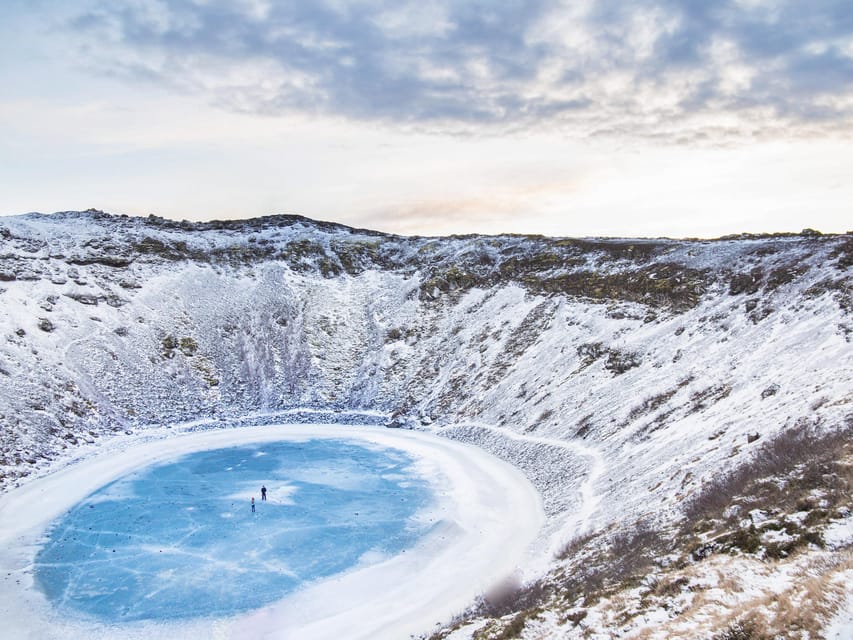
Review · KERID CRATER & FRIDHEIMAR FARM
Kerið Volcanic Crater Admission Ticket
Kerið is one of Iceland’s easiest wow-stops. With a turquoise crater lake and a walk you can do at your own pace, it feels memorable without feeling complicated. The one possible catch is that Kerið is open only during daylight hours, so you will want to time it right if you are also juggling other Golden Circle stops.
I like how close you get to the red volcanic walls and the mossy slopes, plus the rim trail gives you proper panoramic views. For $5 per person, it is also great value compared with longer paid attractions. If you are expecting a guided experience or a lot of narration, this is more of a self-guided wander than a structured tour.
In This Review
- Quick hits before you go
- Kerið Crater, the quick reality check
- Location on the Golden Circle and why it matters for your day
- What you are actually paying for at $5 per person
- Entering the site: pace yourself from the start
- Walking the rim trail for panoramic views
- The mossy slope descent: getting close to the caldera floor
- Why the lake is turquoise: minerals and the water table
- The geology story in plain terms: not an explosion, but a collapse
- Timing your visit during daylight hours
- Getting the most from a self-guided ticket
- Who Kerið is best for, and who should rethink it
- Should you book the Kerið Crater ticket?
- FAQ
- How much is the Kerið Crater admission ticket?
- How long does the Kerið visit take?
- Where is Kerið located?
- Are there photo opportunities at Kerið?
- Is Kerið open all day?
- Is the experience wheelchair accessible?
- Do I need a guided tour?
- How does parking work?
- What is the cancellation policy?
Quick hits before you go
- Free parking makes the Golden Circle logistics feel painless
- Turquoise lake views are the main event and very photo-friendly
- Rim trail panoramas let you choose how much walking you want
- Hike down a sloping wall if you want to get right up near the caldera floor
- Daylight hours only means plan around the sun
- Wheelchair accessible listings suggest the site is designed for broad access
Kerið Crater, the quick reality check
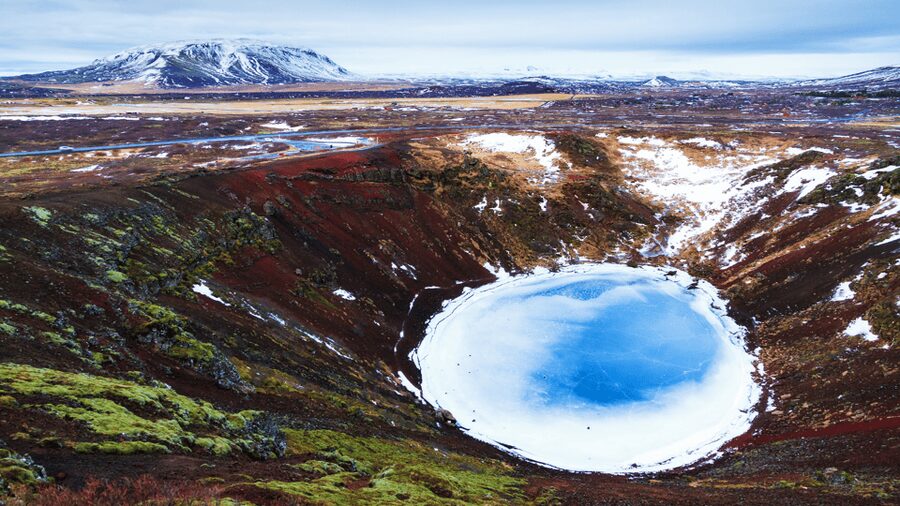
Kerið is a volcanic crater you can reach easily from Iceland’s Golden Circle, and it works as a stand-alone stop or a perfect add-on to other nearby sights. The scale is real. The caldera is about 55 meters deep, roughly 170 meters wide, and around 270 meters across, so you are not just looking at a hole in the ground, you are looking at a system.
What I like most is that it is not overly managed. You arrive, you park, and you go exploring. If you enjoy seeing geology up close, Kerið delivers without needing a long tour or complicated planning.
Another big plus is the color. The lake at the bottom looks like melted glass, that bright aquamarine turquoise that Iceland does so well. It is the minerals in the soil that drive that vivid color, and the water level sits around the water table rather than being fed just by rainfall.
Location on the Golden Circle and why it matters for your day
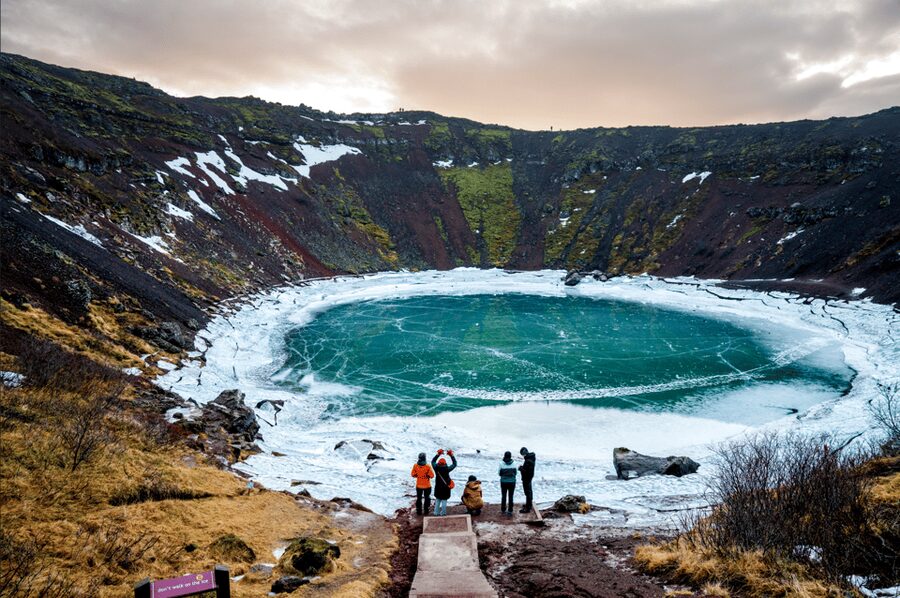
Kerið sits in the southern region of Iceland and is part of the Western Volcanic Zone. That zone connects a wider volcanic story that also includes the Reykjanes peninsula and Langjökull Glacier, so Kerið is a smart stop if you want your trip to feel connected instead of random.
Because it is set up for easy road access with free parking, it is a good choice for a day that includes multiple stops. I find Kerið makes sense when you want a short, high-impact pause. You can fit it between longer drives or other attractions without burning your whole afternoon.
Practical note: since the site is open during daylight hours, you should build your day around timing. In winter especially, daylight shrinks fast, and Kerið can either be a highlight or a rushed checkbox.
What you are actually paying for at $5 per person
This admission ticket is simple: you get entry to Kerið Crater for self-guided exploration, plus time to take photos. It is priced at about $5 per person, which is exactly why Kerið works so well. You are not paying for a long program. You are paying to access a natural feature that gives you a full set of viewpoints.
For value, look at what you receive in return:
- you can walk the crater rim for wide views
- you can hike down a sloping wall covered with deep green moss
- you can admire the lake from the caldera bottom area
If you are doing the Golden Circle, Kerið is a low-cost way to add variety. Other stops on the route can skew toward waterfalls or hot springs. Kerið shifts the focus to volcanic structure, color, and geometry you can walk around.
Entering the site: pace yourself from the start
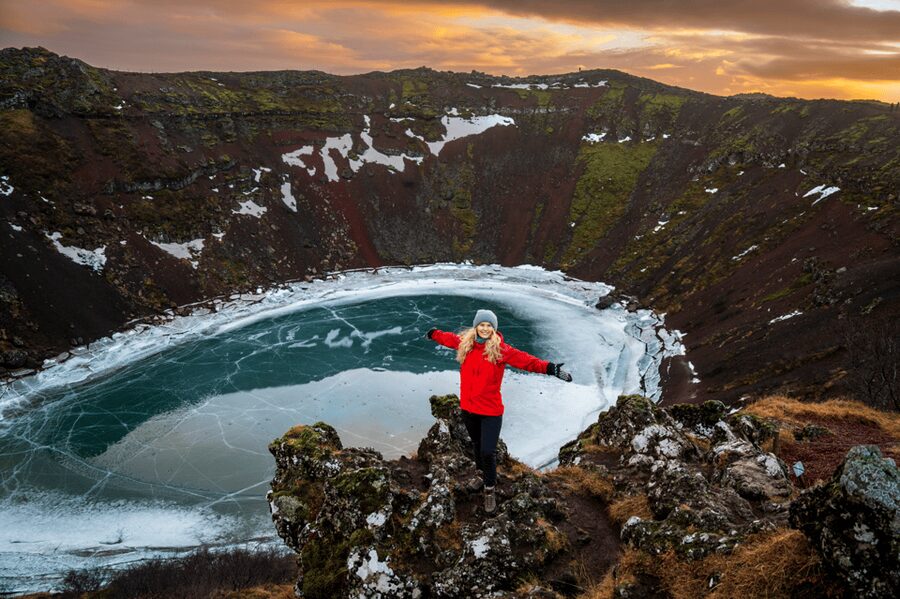
Kerið is open during daylight hours, so when you arrive, think in terms of light and comfort first. The rim trail gives you sweeping views, and the slopes down into the crater require more energy. If you are planning to do both, I recommend splitting your visit into two phases: rim first, then optional descent.
Also, bring the basics that work for Iceland walks. Wear shoes with grip. Even when the weather is okay, mossy surfaces and damp edges can feel slick. You do not need special gear, but good traction is the difference between relaxing and constantly watching your footing.
If you are photographing, start with the rim. It is the best place to get the crater shape with context. Then go down when you want the close-up, texture-rich scenes.
Walking the rim trail for panoramic views
The rim trail is the part that most people can tailor to their day. You get panoramic views of the caldera walls and the bright lake below, plus a sense of how the crater sits within the wider row of Tjarnarhólar craters.
This is where the experience feels most Iceland in a calm way. You can walk slowly and keep taking photos, or keep moving if your schedule is tight. The rim gives you the overview, so even if you skip the descent, Kerið still feels complete.
One small consideration: the better your weather, the better your views. If clouds roll in or visibility drops, you will still see the crater’s color and walls, but your panoramic payoff will be smaller. In that case, slow down and focus on textures like the red volcanic rock and the moss.
The mossy slope descent: getting close to the caldera floor
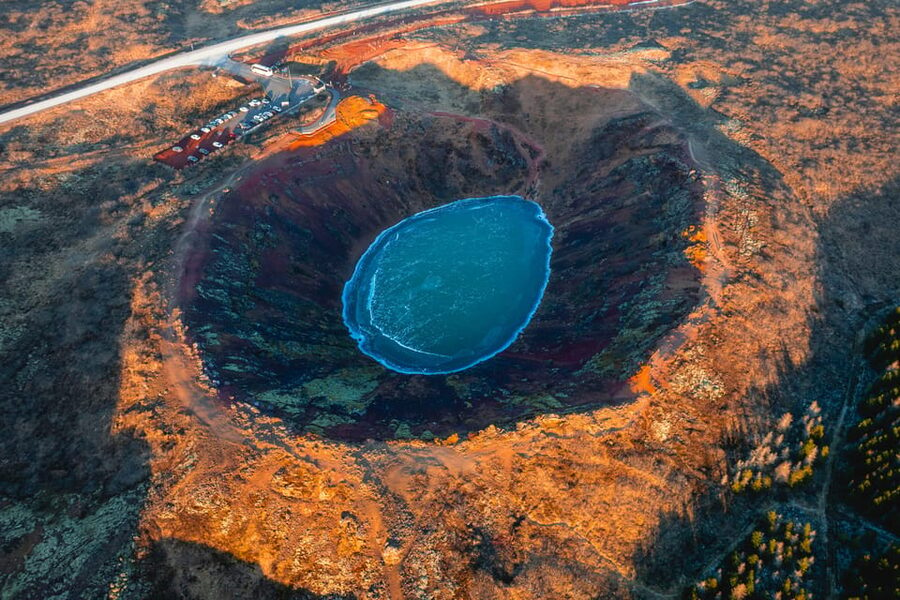
Kerið offers a real hands-on moment: you can hike down one of the sloping walls blanketed with deep green moss. This is not just about looking down. It is about being inside the crater’s shape, where you can see how the red volcanic material frames the whole scene.
The caldera’s depth and width are easy to appreciate once you are lower. From the bottom area, the lake fills more of your view and the mineral colors become the main story. It can also feel quieter, like you stepped away from the parking lot and into the geology.
If you are traveling with limited mobility, the site is listed as wheelchair accessible, but the descent itself is still described as a hike down a slope. So plan for the possibility that you will choose viewpoints that require less steep movement. The good news is that Kerið is designed so you do not need to go down to enjoy it.
Why the lake is turquoise: minerals and the water table
This is one of the most interesting parts of Kerið, and it is also one of the easiest to understand once you know the basics. Kerið’s lake is shallow, but it looks vivid because of minerals from the soil.
Just as important, the water is not caused by rainfall alone. The water in the bottom is at about the same level as the water table. That means you get a more consistent look across conditions, which helps your planning. You are not gambling only on precipitation right before your visit.
It also helps make Kerið feel scientifically satisfying, even though you are self-guided. You get a visual that is striking, and you also learn why it stays that way.
The geology story in plain terms: not an explosion, but a collapse
Kerið was formed around 6,500 years ago. It sits at the northern end of a row of craters known as Tjarnarhólar. That volcanic setting is part of the Western Volcanic Zone, tying Kerið into a bigger Iceland volcanic pattern.
One of the key details is how Kerið formed. It was not created by a volcanic explosion. Instead, it started as a cone volcano that erupted and then emptied its magma reserve. When the weight of the cone became too much for that emptied space, it collapsed into the empty chamber, forming the current crater.
So when you look at the red volcanic rock and the curved bowl shape, you are seeing collapse geometry, not blast debris. That is the kind of fact that turns a photo stop into a true learning stop, even with zero guide voice in your ear.
Timing your visit during daylight hours
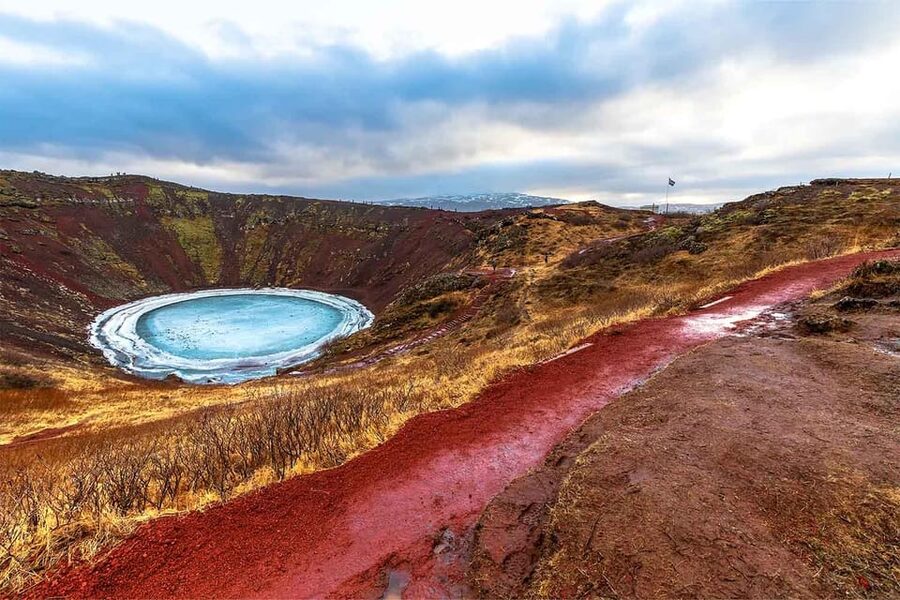
Kerið is open during daylight hours, which sounds obvious until you realize how much it affects your day on Iceland. I would treat Kerið like a morning-or-late-afternoon stop when possible, especially in seasons with shorter days.
If you are driving a rental car, going early can help you catch softer light. One visitor shared arriving at dawn, when sunrise was coming up, and that timing clearly made the visuals feel extra special. Even if you cannot hit sunrise, early daylight often means less stress and better photo conditions.
If weather is rough, choose your plan based on what you want most:
- If you want maximum photo clarity, go when visibility is decent.
- If you want a calmer walk, go when crowds are likely lower.
You will still get Kerið’s main features either way. But Iceland weather has opinions, and your eyes will appreciate the timing.
Getting the most from a self-guided ticket
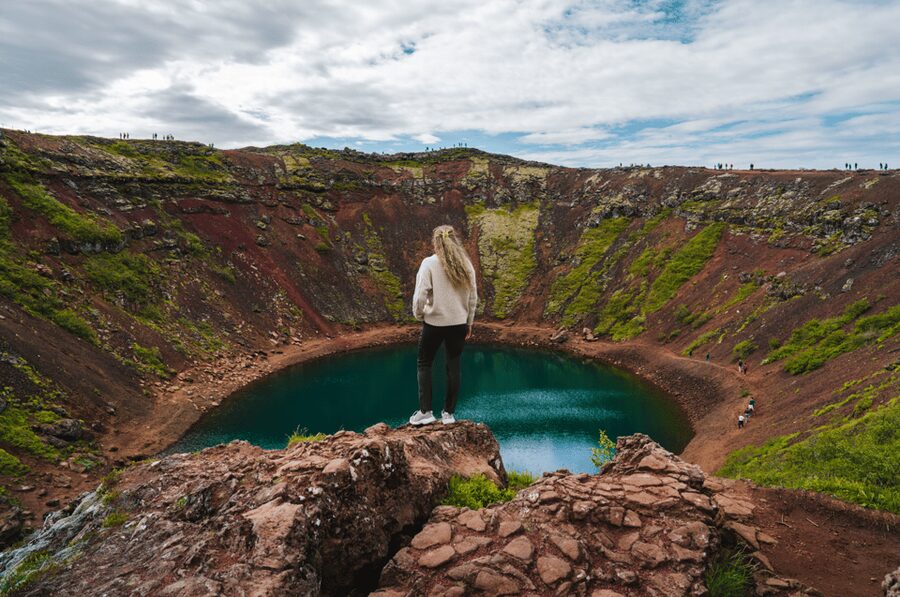
This is not a scripted tour with a tight schedule. You get admission and then you explore on your own. That can be a win, because Kerið is short enough to do well without rushing, but big enough to reward slow looking.
Here’s how I would structure your visit:
- Start at the top and do your first pass on the rim trail so you learn the crater shape fast
- Pause often for photos, especially before you go down
- Only then decide whether the mossy slope descent is worth it for you that day
- Take a final look from your chosen viewpoint and exit with time for your next stop
If you prefer not to hike, you still get plenty. If you love walking and want those up-close texture shots, you will appreciate the option to go down.
One more practical note: while you are paying for admission, entry checks may not feel strict or heavily controlled at every moment. So have your ticket ready, just in case, and do not assume someone will stop you later. That way you stay relaxed and keep moving.
Who Kerið is best for, and who should rethink it
Kerið is a great fit for people who want a high-impact nature stop without a long time commitment. It is also ideal for anyone who likes volcanic geology and wants to see how structures form, not just famous Iceland scenery from a distance.
You will probably love it if you:
- enjoy short walks that still feel meaningful
- like photo stops where you can reposition for better angles
- want one more Golden Circle stop that is different from the usual hot spots
You might rethink it if you are only interested in fully guided storytelling or you dislike steep slopes. Kerið is not a museum experience. It is a crater, and your legs are part of the deal.
Should you book the Kerið Crater ticket?
Yes, if you are doing the Golden Circle and want one quick stop that delivers real visuals plus real geology. At about $5 per person, it is a low-risk splurge for a memorable place. The turquoise lake, the rim trail panoramas, and the option to hike down are a strong combo, and the free parking helps it fit into almost any road day.
Skip booking only if daylight timing is already tight and you cannot reasonably plan around daylight hours, or if you are not up for a walk on uneven ground. Otherwise, Kerið is a smart add-on that does not eat your schedule and still feels like you went somewhere truly Iceland.
FAQ
How much is the Kerið Crater admission ticket?
The ticket price is listed as $5 per person.
How long does the Kerið visit take?
The duration is listed as 1 day, but the exploration is self-guided, so you can set your own pace during daylight hours.
Where is Kerið located?
Kerið is in Iceland’s southern region and is an easy stop along the Golden Circle route.
Are there photo opportunities at Kerið?
Yes. The admission includes self-guided exploration and photo opportunities.
Is Kerið open all day?
No. Kerið is open during daylight hours.
Is the experience wheelchair accessible?
Yes. The activity is listed as wheelchair accessible.
Do I need a guided tour?
No. The exploration is self-guided, so you can explore at your own pace.
How does parking work?
Free parking is listed, with easy access by car.
What is the cancellation policy?
Free cancellation is available up to 24 hours in advance for a full refund.
Kerid Crater & Fridheimar Farm, compared.
 ★ 4.8Reykjavik: Golden Circle Full-Day Tour with Kerid CraterFrom $8224,485 reviews
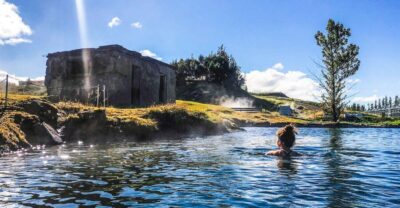 ★ 4.8From Reykjavik: Golden Circle, Kerid, & Secret Lagoon TourFrom $1326,009 reviews
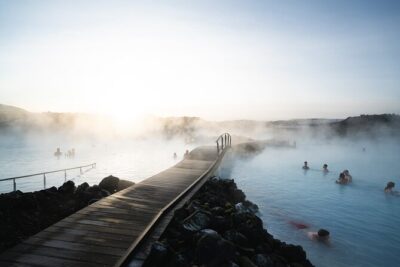 ★ 5.0Small-Group Golden Circle, Blue Lagoon with Ticket & Kerid CraterFrom $2495,631 reviews
 ★ 4.9Reykjavik: Golden Circle, Kerid Crater, & Blue Lagoon TourFrom $2434,351 reviews
 ★ 4.5Golden Circle with Kerid Volcanic Crater Day Tour from ReykjavikFrom $852,826 reviews
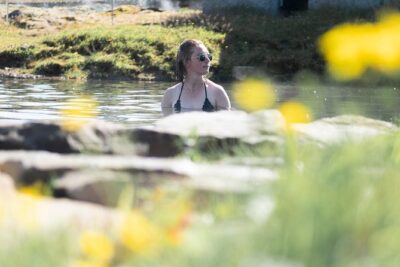 ★ 5.0Golden Circle, Secret Lagoon and Kerid Crater Tour from ReykjavikFrom $1271,660 reviews
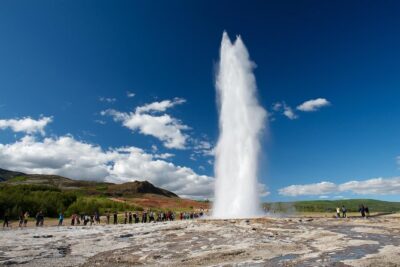 ★ 5.0Golden Circle, Kerid Crater & Geothermal Lagoon -Small Group TourFrom $1391,550 reviews
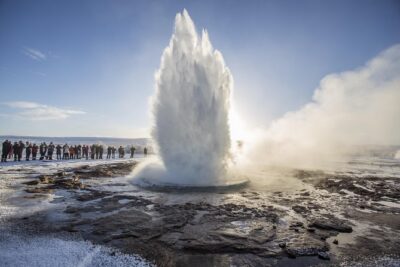 ★ 5.0Golden Circle, Secret Lagoon & Kerið Small Group TourFrom $1481,426 reviews
Browse the lists this tour appears in