
Review · VOLCANO & LAVA FIELD TOURS
Reykjavík: Guided Afternoon Hiking Tour to New Volcano Site
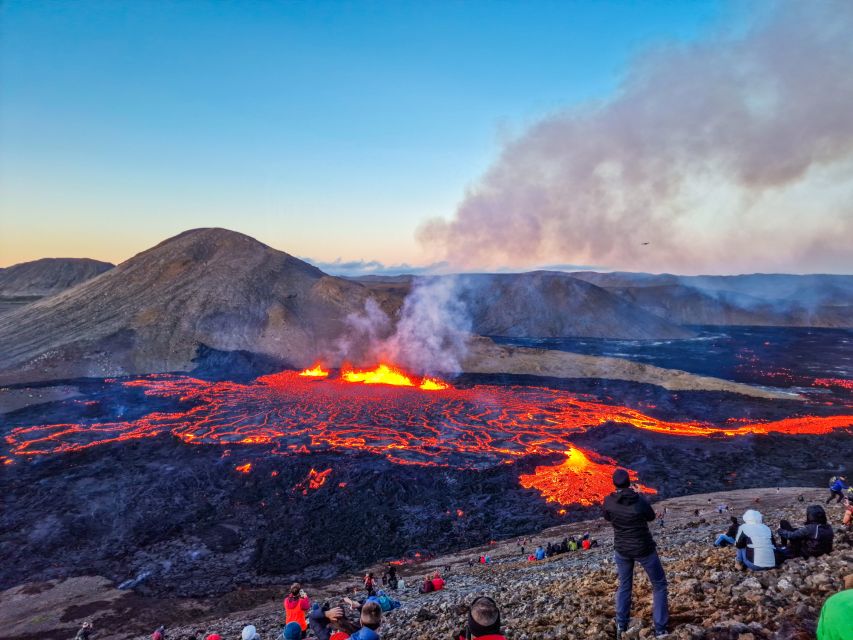
Volcano heat draws you in fast, even from far away. This 7-hour guided hike from Reykjavik takes you to the Geldingadalur Valley, where the scenery has been reshaped by eruptions near Fagradalsfjall. You’ll also make smart stops around the Seltún geothermal area and learn why lava, moss, and mineral colors look the way they do.
What I love most is the combo of walking and real geology talk. Guides such as Elias and Tom (and others in the same program) tend to explain the “why” behind what you’re seeing, from long-dormant volcanic activity to how lava cooled and hardened. The second big win is the payoff for active weather and endurance, because the hike to a good view takes real effort, and that effort turns the views into something you’ll remember.
The main drawback to plan around is the unpredictability of the eruption itself. The tour is designed to hopefully show lava flows, but the activity level can change, and the route may be altered for safety.
In This Review
- Key highlights you should care about
- Reykjanes Volcano Hike: What makes this afternoon outing special
- The real value of the guides: Elias, Tom, and the science talk you’ll remember
- Pickup, timing, and why the 7-hour length actually fits the hiking goal
- Stop 1, Seltún geothermal area in Krýsuvík: your senses warm up first
- The transfer through Reykjanes: Meradalir and the feeling of being near the newest changes
- Geldingadalur Valley hike to a lava viewing point: where effort turns into meaning
- Litli Hrutur and why there are no guarantees of flowing lava
- Sizing the challenge: who should book and who should think twice
- What to pack so the hike stays fun, not miserable
- Price and value: $126 for one long day of serious geology
- What the group experience feels like on the ground
- When to book: best season thinking for Reykjanes
- Should you book this guided volcano hiking tour?
- FAQ
- How long is the Reykjanes volcano guided hiking tour?
- Where do I meet the guide in Reykjavik?
- Is pickup available from hotels or bus stops?
- How hard is the hike?
- Will I see flowing lava at Litli Hrutur?
- What stops are included besides the main hike?
- Are food and drinks included?
- What should I bring?
- FAQ
- Is the tour suitable for children?
- Is it suitable for people with mobility impairments?
Key highlights you should care about
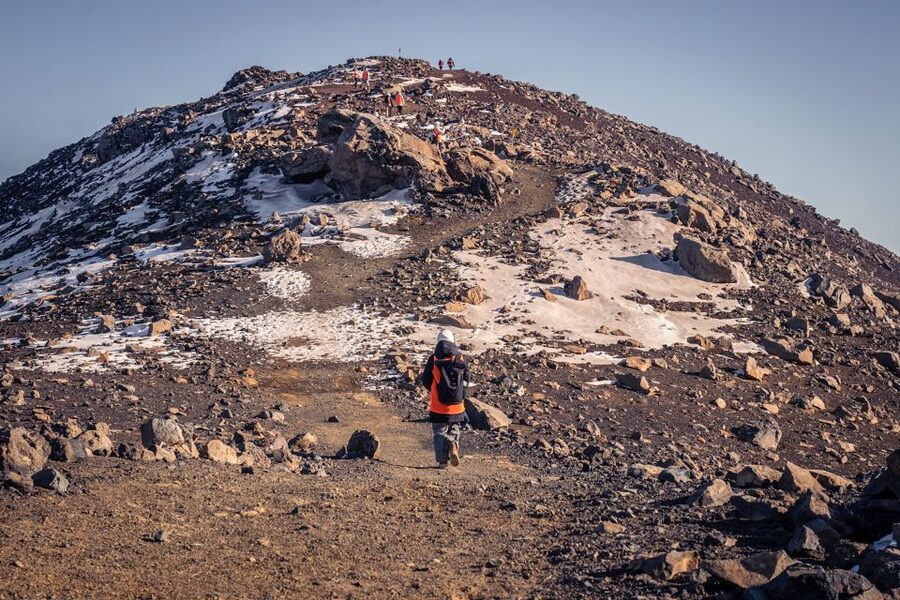
- Litli Hrutur eruption area, if conditions allow: You’re set up to look for fresh lava at the newest eruption site.
- Geldingadalur Valley hike with expert guidance: You’ll walk among younger lava and older lava fields while the guide explains what changed.
- Meradalir stops along the way: You pass through an eruption zone and learn what lava cooling leaves behind.
- Seltún hot springs color and smell: The geothermal stop in Krýsuvík brings vivid mineral colors and that classic sulfur note.
- Safety and route changes are real: Live volcano conditions can change timing and access, so flexibility matters.
Craters, tunnels and eruption sites we have walked
Reykjanes Volcano Hike: What makes this afternoon outing special
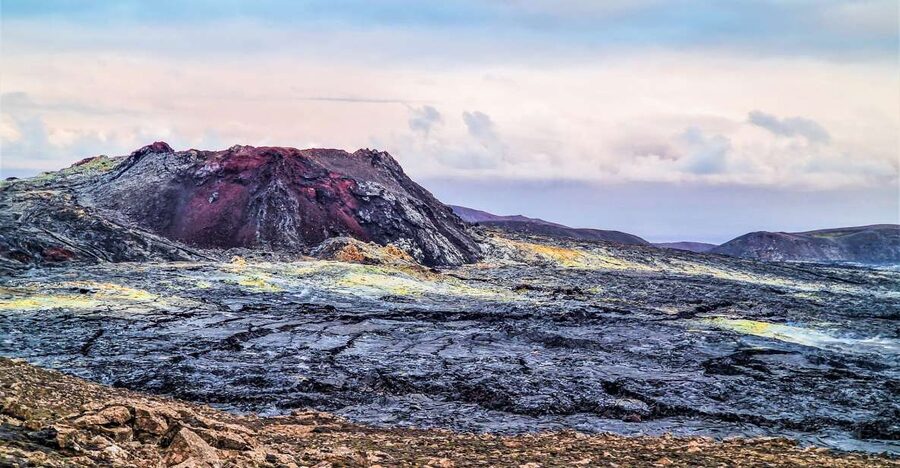
This is not a drive-by “look at a volcano from a bus window” day. The core of the experience is a guided hike in Geldingadalur Valley, built around Reykjanes Peninsula’s still-active volcanic system and the way it keeps reshaping the ground.
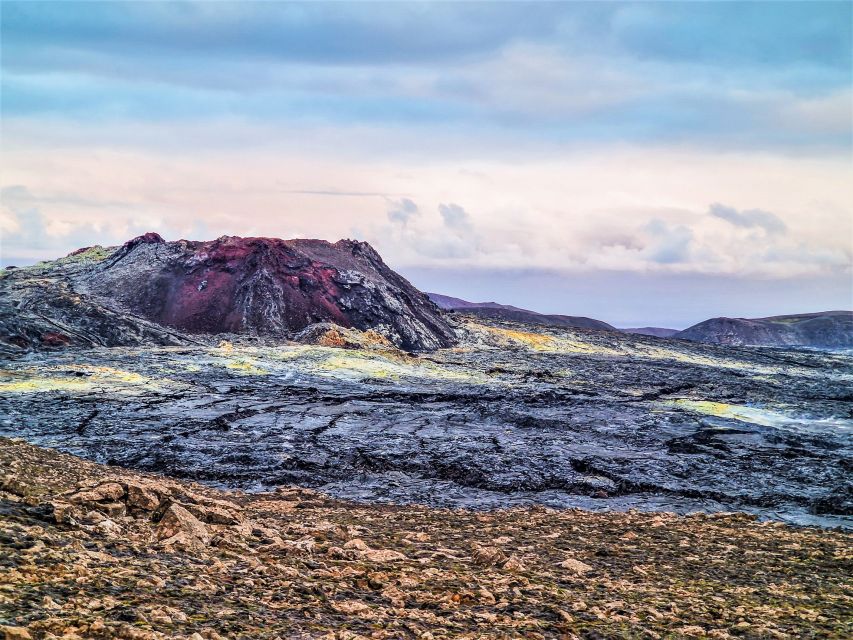
Even if the eruption is quiet during your visit, you still get something valuable. You’re walking through lava that formed over recent years, with mineral colors and geothermal traces that help you understand what the guide is talking about. In the reviews, people often flag how hard it is to fully picture what you’re walking on until you’re actually on the trail, feet on the cooled rock with steam or smoldering pockets nearby.
I also like the rhythm. The tour starts with a geothermal warm-up at Seltún, then the bus transfers you toward the newest activity near Fagradalsfjall, and then you hit the hike while your legs still have energy. It’s a good structure for a half-day that feels like an adventure, not a stamp-collecting loop.
The real value of the guides: Elias, Tom, and the science talk you’ll remember
The biggest pattern in the feedback is simple: the guides are the difference. People repeatedly mention names like Elias, Tom, Alain, Dave, Omar, Ottar, and Kalman, and they describe guides who connect volcano science to what you’re stepping on.
What that means for you on the ground is practical. When you see a black lava field, it’s easy to think it all looks the same. A strong guide helps you read it: which parts are younger, which textures suggest cooling patterns, and why vegetation and moss appear where they do.
Guides also tend to manage the group well on a challenging route. Several reviews stress that the hike can be tough at times, especially on slippery stones or in snow and wind. The better guides keep everyone together, pace the stops, and help you adjust when conditions turn.
That pacing matters even when you’re excited. If the wind is brutal or the trail is icy, rushing can turn a great hike into a stressful one. A good guide keeps the day enjoyable, even when the route needs changes.
Pickup, timing, and why the 7-hour length actually fits the hiking goal
The tour runs about 7 hours total. You’ll start in Reykjavik with pickup from designated spots, then take a scenic drive toward the Reykjanes Peninsula volcanic areas.
The itinerary timing is fairly straightforward:
- a bus ride portion early in the day
- a stop at Seltún for photos and a short walk
- another transfer toward the hike zone
- a hike in Geldingadalur Valley, with around 2 hours up and 2 hours down suggested for planning, often described as moderate to hard
- a final drive back to Reykjavik and multiple drop-off points
Why this matters for your planning: the hike time is the “real work,” and the rest of the day is there to set you up for it. If you pack snacks poorly or dress too lightly, the long hours in cold wind can wear you down before you even reach the eruption viewing area.
Also, be ready for a lot of drop-offs back in Reykjavik. The tour can end with many different unloading points, which some people find a bit long at the end of the day. It’s not a problem with the hiking itself, but it’s a detail worth knowing.
Other Reykjavik outings that keep coming up in our notes
- Reykjavik: Whale Watching Tour with Expert Guide★ 4.2 · 2,307 reviews
- The Golden Circle Guided Bus Tour from Reykjavik★ 4.5 · 1,726 reviews
- From Reykjavik: Best of Golden Circle Guided Tour★ 4.8 · 1,646 reviews
- Reykjavik: Guided Foodie Walking Tour with 6 Tastings★ 4.9 · 1,645 reviews
- Northern Lights Guided Bus Tour from Reykjavik★ 4.0 · 1,183 reviews
Stop 1, Seltún geothermal area in Krýsuvík: your senses warm up first
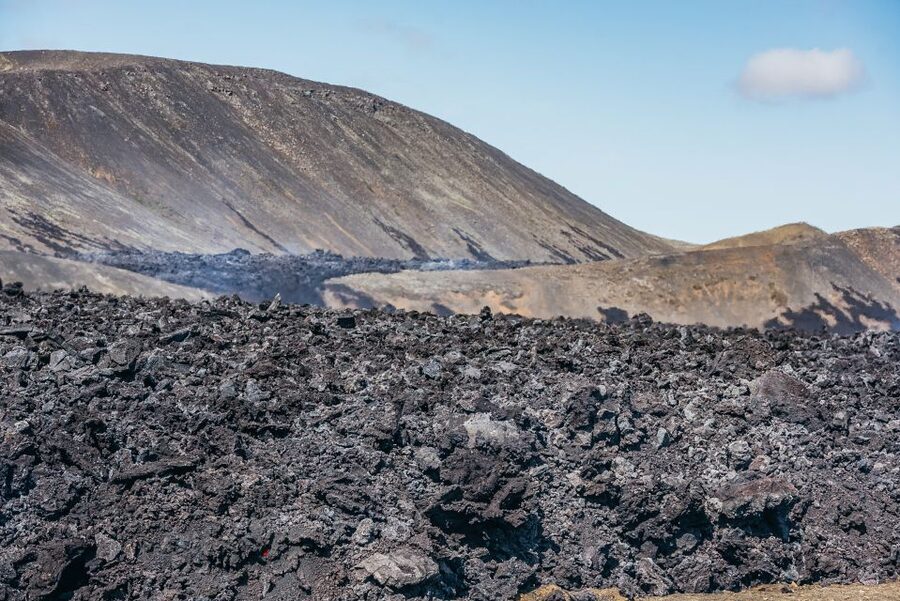
Before you chase volcano views, you visit the Seltún geothermal area. The stop is roughly 25 minutes, built for photos, sightseeing, and a short walk with scenic views.
This stop is more than a quick stretch break. It sets your expectations for what geothermal zones smell and look like up close. Expect that signature sulfur odor and mineral colors that can look almost painted, especially when the light hits the steam.
I think this is a smart first act because it gives you context. When you later walk across newer lava in Geldingadalur, you can better connect what you saw at Seltún to what’s happening underground. The guide’s explanation often links the geothermal activity you smell and see to the broader volcanic system driving the region.
Practical tip: wear rain gear or weather layers you can tolerate near steam. The air can feel sharp and damp. If you’re sensitive to strong smells, it still helps to know what you’re stepping into rather than being surprised later.
The transfer through Reykjanes: Meradalir and the feeling of being near the newest changes
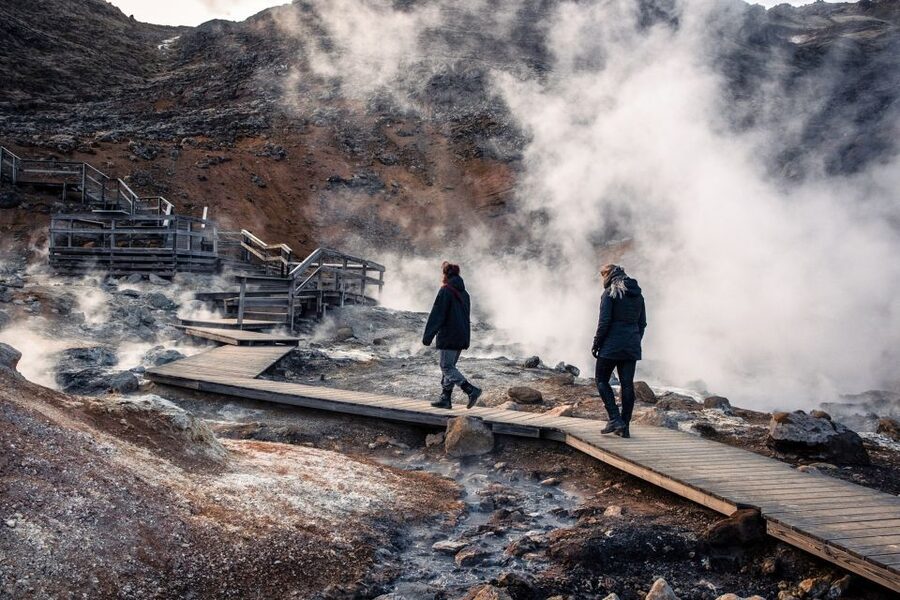
After Seltún, the bus continues along the peninsula. This is where the guide starts building the story in earnest, and you also pass key locations like Meradalir on the way to the hike.
Meradalir is important because it’s tied to how lava formed and then hardened into the surfaces you see today. Even from the bus window, you’re often looking at rock textures and terrain that explain why the ground behaves differently in different spots.
Some reviews also mention a sense of eerie quiet when passing towns and areas affected by eruptions and earthquakes. That reaction is normal. You’re seeing a place where the environment has changed fast, and it hits harder when you’ve been on the road with a guide who provides context.
If you’re the type who likes to understand a place in motion, this drive time helps. It’s not wasted. It makes the hike feel connected to the bigger picture, not like you popped out of the bus for a workout.
Geldingadalur Valley hike to a lava viewing point: where effort turns into meaning
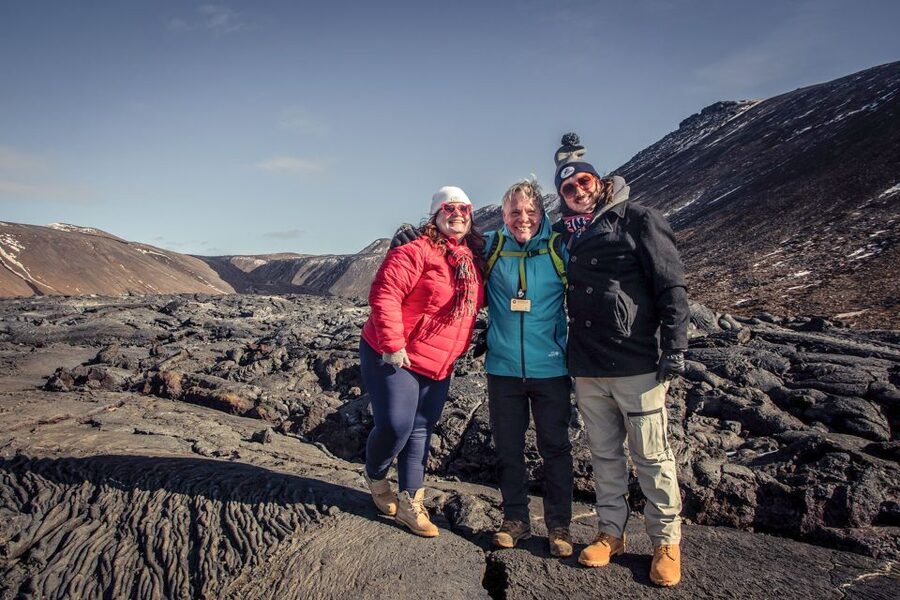
This is the heart of the tour. Once you reach the valley, you put on hiking gear and head toward a good viewing point, with the hike often described as about 3 hours at the main hiking segment in the schedule.
Plan for around 2 hours each way as a realistic estimate for energy and route pacing. It’s listed as moderate to hard, so go in with comfortable shoes and realistic expectations. In winter conditions, slippery stones and snow can make the route feel harder than you’d guess from distance.
What you’re actually hunting for is an active look at lava flows, ideally connected to the newer eruption area near Litli Hrutur. The goal is to see laval flows if they’re visible and accessible from the trail.
One very important update to note: as of August 9, the flow of new lava at Litli Hrutur had stopped at least for the time being. The area could still smolder and look alive in other ways, which is fascinating to visit even when it’s not actively spilling magma.
How it feels on the trail can vary a lot. Some days you might see more steam or heat. Other days you might mostly see cooled lava with signs of recent activity. That’s why you’ll want to read the description carefully and be prepared for “smoldering and steaming” as a realistic version of the magic.
And yes, your guide will help you interpret it. In reviews, people describe guides keeping everyone together, making time for photos, and explaining how lava cooled, fractured, and left behind mineral patterns. That turns the walk into a guided lesson you can stand on.
Litli Hrutur and why there are no guarantees of flowing lava
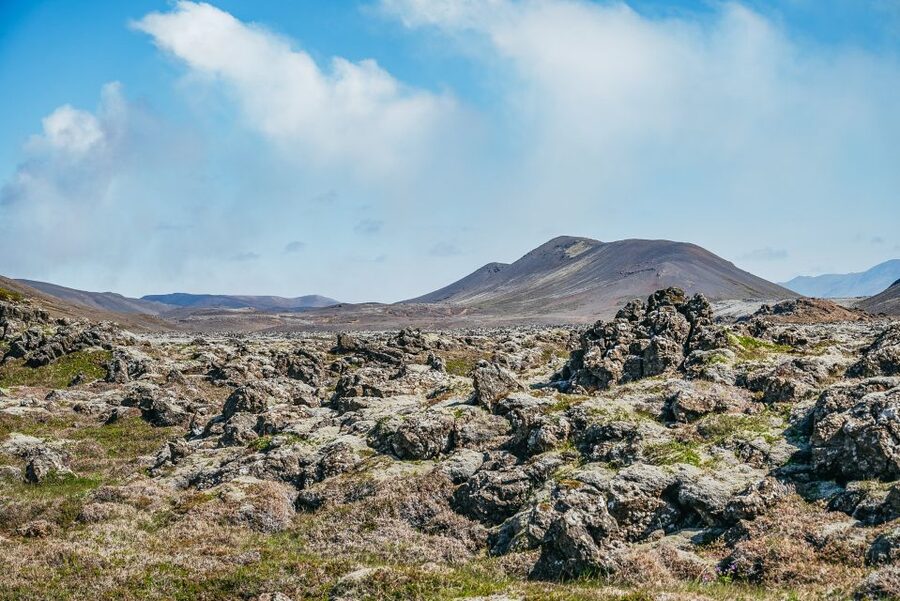
The tour name and highlights focus on the newest eruption area, including Litli Hrutur, plus a route that goes past other eruption-related sites like Meradalir.
But nature is not a museum clock. Lava activity can stop or surge, and the tour also notes route closures can affect how you access viewing spots. So the best mindset is to book for the hike and the geology experience, with lava viewing as the bonus.
This is especially true because tour conditions can change quickly. Reviews mention weather shifts like snow and strong wind, and some groups reported that the route was adjusted for safety.
If you’re going in expecting a constant, dramatic stream of lava, you might feel disappointed. If you’re going in expecting to see a real volcanic environment that may be steaming, smoldering, or recently altered, you’re set up for a much better day.
Sizing the challenge: who should book and who should think twice
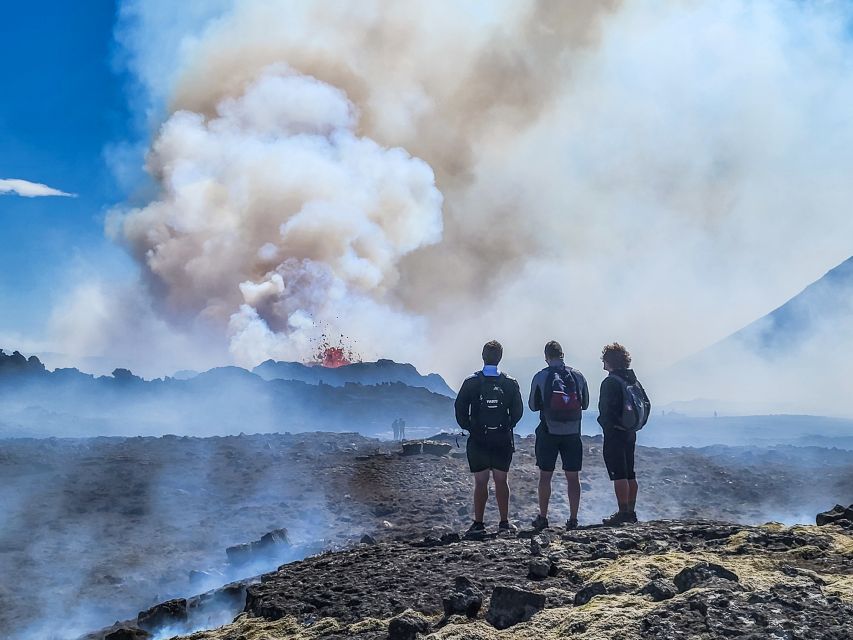
This tour is not just scenic. It’s a hike, and it can get tricky.
The tour is not suitable for children under 12 and is also not suitable for people with mobility impairments. That’s about more than effort. It’s about the footing, uneven lava terrain, and the potential need to adapt routes quickly.
For you personally, ask yourself a simple question: can you do a moderate to hard hike with potential slippery sections in cold wind and changing weather? If you can, this tour can feel like one of Iceland’s most memorable “walk into the story” experiences.
If you have asthma or serious health issues, you might want to be extra cautious. In reviews, one participant who had asthma described how challenging it felt. That doesn’t mean no, but it does mean you should talk to your clinician and plan smart for cold air and exertion.
What to pack so the hike stays fun, not miserable
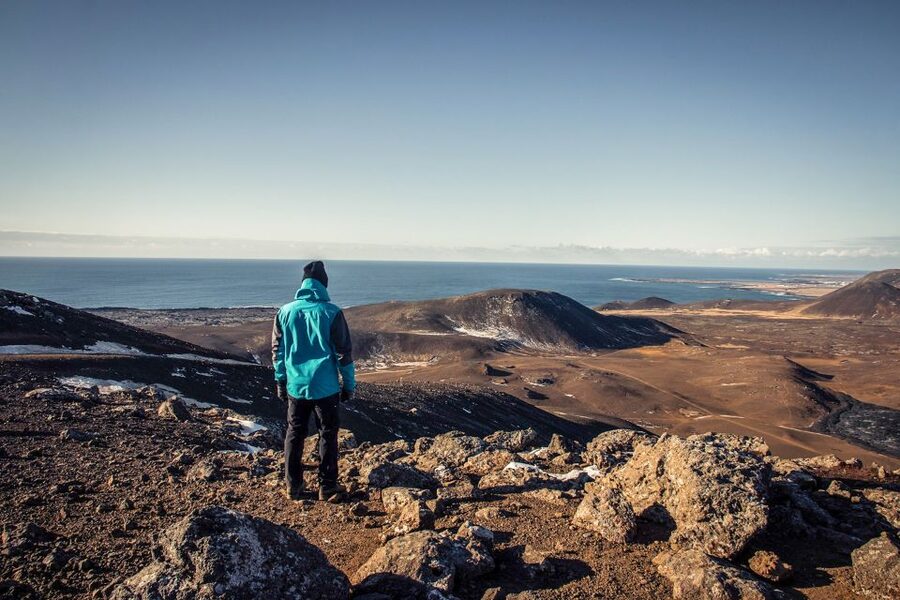
You’re told to bring warm clothing, comfortable shoes, rain gear, hat, gloves, snacks, water, and a packed lunch. That list matters because there’s no food included, and the environment can make it hard to find a quick bite nearby.
A few packing notes that come straight from the reality of the day:
- Bring snacks, not just water. Reviews repeatedly warn there’s not much around to grab food during the day.
- Wear hiking shoes. You might see a strict preference against jeans and sports shoes.
- If conditions look icy, consider traction. One review notes issues with clamps, so having your own solution can reduce stress.
- Bring layers you can adjust fast when wind changes. The tour is weather-dependent, and your body temperature is the thing you control.
Also, the tour includes a headlamp. That’s a helpful included detail if you’re booking an afternoon or evening slot and daylight fades.
Price and value: $126 for one long day of serious geology
At $126 per person for a 7-hour guided experience, you’re paying for transportation, a live English guide, entry fees, and a guided hike experience that’s hard to replicate safely on your own.
Is it expensive? Compared with a self-drive day, yes. But compared with the cost of fuel, parking, and hiring a guide for a hike near active volcanic terrain, it’s often reasonable.
The best value shows up in three ways:
- The guide helps you read the terrain, so it feels like more than just walking on rocks.
- The route planning and safety adjustments matter when live volcano conditions can cause closures.
- The itinerary bundles key stops, including Seltún and eruption-related sites, which reduces your hassle time.
If you hate group pacing or you want total control over every stop, you might feel boxed in. If you like expert context and don’t mind joining a group, it’s strong value for a high-impact day.
What the group experience feels like on the ground
This tour is designed for group hiking, and guide management shows up in reviews often.
Many reviews mention guides doing a few key things well:
- keeping everyone together instead of leaving slower hikers behind
- giving time to catch your breath and take photos
- answering questions, especially about volcanic processes and the region’s eruption history
- keeping a careful safety focus when weather turns rough
So if you’re traveling solo, this can work well. Some solo travelers report feeling looked after and happy to have a structured plan with people around them.
One potential downside is the bus leg and drop-off complexity. Multiple drop-off points can make the end of the day feel long. That’s not unusual for Reykjavik tours, but it’s worth expecting.
When to book: best season thinking for Reykjanes
The provided details focus on time and hiking challenge, not a specific season. Still, weather is the big variable here.
In many parts of Iceland, winter and shoulder-season days can bring snow, slick footing, and strong wind. Reviews include examples of rough starts with snow and sideways rain, and then better conditions once hiking began.
So for booking, I’d aim for a day when you’re confident you can handle cold wind and variable trails. Even if weather looks bad on the way out, the guide might adjust the route and pacing, and that can protect both safety and enjoyment.
If you’re visiting in a season when darkness comes early, the included headlamp becomes more important.
Should you book this guided volcano hiking tour?
Book it if you want an active, guided way to understand Reykjanes and Iceland’s recent volcanic changes. The combination of Seltún geothermal colors, a guided story through eruption sites like Meradalir, and a hike toward Litli Hrutur makes it a day with both movement and meaning.
Skip or rethink it if you’re not comfortable with a moderate to hard hike in cold, windy conditions. This is also a non-starter for travelers with mobility impairments, and it’s not for kids under 12.
My practical decision rule: if you can pack smart, pace yourself, and stay flexible about what eruption visuals you’ll actually see that day, you’ll likely love this tour. If you need guaranteed flowing lava on demand, you may find the reality of live volcano conditions frustrating.
FAQ
How long is the Reykjanes volcano guided hiking tour?
The tour runs about 7 hours total.
Where do I meet the guide in Reykjavik?
You should wait for your guide at Tour Bus Stop 12, opposite the Storm Hotel.
Is pickup available from hotels or bus stops?
Yes. Pickup is optional and available from hotels and official bus stops in central Reykjavik. You need to contact the activity provider after booking to confirm your pickup details.
How hard is the hike?
The hike is described as moderate to hard, with planning estimates of about 2 hours each way to reach a good viewing point.
Will I see flowing lava at Litli Hrutur?
The tour is designed to help you look for laval flows at the new eruption area. However, the activity level can change, and the tour schedule may adjust due to the live volcano and route closures. Also, an update notes that as of August 9, the flow at Litli Hrutur had stopped at least temporarily.
What stops are included besides the main hike?
You’ll visit Seltún geothermal area for a photo stop and short walk, and you’ll pass eruption-related locations on the way, including Meradalir, before and after the main hiking portion.
Are food and drinks included?
No. Food and drinks are not included, so you’ll want to bring snacks and a packed lunch.
What should I bring?
Bring comfortable shoes (hiking shoes recommended), warm clothing, a hat, gloves, water, snacks, rain gear, and a packed lunch.
FAQ
Is the tour suitable for children?
No. The tour is not suitable for children under 12.
Is it suitable for people with mobility impairments?
No. The tour is not suitable for people with mobility impairments.
More Tours in Reykjavik
More Tour Reviews in Reykjavik

More Volcano Ground to Cover

More Reykjavik write-ups from our desk
- Private Transfer from Reykjavik to Reykjavik Airport KEF by Sedan
★ 5.0 · 3 reviews - Northern Lights in Mini Bus, Photos, Hot Cocoa and Pastries
★ 5.0 · 3 reviews - Exclusive Westman Islands Adventure – A Private Day Tour
★ 5.0 · 3 reviews - Private South Coast tour with Glacier walk
★ 5.0 · 3 reviews - Borgarfjörður
★ 4.5 · 3 reviews - SOUTH COAST : The Discovery
★ 5.0 · 3 reviews
Volcano & Lava Field Tours, compared.
 ★ 4.8Reykjavik: Golden Circle Full-Day Tour with Kerid CraterFrom $8224,485 reviews
 ★ 5.0Small-Group Golden Circle, Blue Lagoon with Ticket & Kerid CraterFrom $2495,631 reviews
 ★ 4.9Reykjavik: Golden Circle, Kerid Crater, & Blue Lagoon TourFrom $2434,351 reviews
 ★ 4.8Reykjavik: LAVA SHOW – Immersive Experience Entry TicketFrom $543,360 reviews
 ★ 5.0Lava Show Reykjavik Admission Ticket – Optional Premium UpgradeFrom $543,278 reviews
 ★ 4.5Golden Circle with Kerid Volcanic Crater Day Tour from ReykjavikFrom $852,826 reviews
 ★ 4.8Reykjavik: Red Lava Horse Riding TourFrom $1422,383 reviews
 ★ 5.0The Lava Tunnel Tour – RaufarhólshellirFrom $742,373 reviews
Browse the lists this tour appears in