
Review · CITY WALKS & MUSEUMS
Reykjavík: National Museum of Iceland Entry Ticket
A museum ticket in Reykjavík that turns time into a story. The National Museum of Iceland uses a clear question, What makes a nation, and walks you from the first settlers to modern life, with major artifacts that make the centuries feel close and real. If you want Iceland beyond the weather and waterfalls, this is a smart place to spend your hours.
I especially like the focus on Viking and settlement-era material, including a famous Thor figure dated to the year 1000. I also love the sheer scale, around 2,000 artifacts spanning the Settlement Age to the present day, plus 20th-century photographs that show how the country changed.
One thing to keep in mind: the exhibits can feel spread out, and some displays are not set up like perfect step-by-step stations. If you prefer very tight sequencing, you may want to use the audio guide to keep your bearings.
In This Review
- Key points to notice before you go
- National Museum of Iceland ticket value: what you actually get
- The exhibition question, What makes a nation, and why it works
- Thor, dated to the year 1000: a Viking-era centerpiece you can’t ignore
- Settlement-to-modern Iceland: what to look for beyond the Vikings
- Temporary exhibitions included: how to choose without overthinking it
- Audio guide in 10 languages plus Wi-Fi: how to pace your visit
- Museum shop replicas: souvenirs that actually connect to the finds
- How long to plan, and why rainy days make this an easy win
- Pairing in Reykjavík: best combos with the rest of your day
- Price check: is $20 worth it?
- Who this museum suits best, and who might want a different plan
- Should you book this National Museum of Iceland entry ticket?
- FAQ
- Where do I show my ticket?
- How much does the entry ticket cost?
- What is included with the ticket?
- Is transportation included?
- How long is the ticket valid?
- Which languages are available for the audio guide?
- Are luggage or large bags allowed?
- Is the museum wheelchair accessible?
- Can I cancel and get a refund?
Key points to notice before you go
- Thor from around the year 1000, one of the most talked-about objects in the museum
- About 2,000 artifacts covering the Settlement Age to today
- A permanent exhibition built as a journey, starting with a medieval ship crossing and ending with a modern airport
- Audio guide in 10 languages plus Wi-Fi, handy for taking your time
- Temporary exhibitions included, usually centered on Icelandic culture
- Museum shop replicas of archaeological finds, if you want souvenirs with substance
On foot around town, plus the indoor stops
National Museum of Iceland ticket value: what you actually get

This is a straight entry ticket to the National Museum of Iceland in Reykjavík, priced at about $20 per person. You get access to the museum’s permanent exhibition and also temporary exhibitions during your visit, so the ticket covers more than just one static display.
The nice practical perks are built in. You receive a 10-language audio guide and Wi-Fi inside the museum, and the entry process is designed to help you skip the ticket line. Transportation is not included, so plan to arrive on foot, by taxi, or with whatever local transit makes sense for your day.
Two small logistics tips matter here. First, luggage or large bags are not allowed, so travel light if you can. Second, the museum is wheelchair accessible, which is a real benefit if you need step-free routes.
The exhibition question, What makes a nation, and why it works
The museum’s permanent show is organized around one guiding idea: What makes a nation? That simple question keeps you from getting lost in a pile of objects. Instead of only asking what an artifact is, the exhibition encourages you to ask what life, beliefs, and practical choices shaped Icelanders over time.
The layout is designed like a timeline you can walk. It starts with the ship medieval settlers used to cross the ocean, then moves through the long stretch of settlement and change, and eventually lands in modern Iceland, framed through the arrival point of today, the airport. If you like museums where the story has momentum, this one does.
The collection scale supports that approach. You’re looking at about 2,000 artifacts plus photographs from the 20th century, so you get both objects and how people actually lived and looked as Iceland modernized. It is the kind of mix that helps you connect the Vikings to the present without feeling like you’re jumping chapters.
Thor, dated to the year 1000: a Viking-era centerpiece you can’t ignore
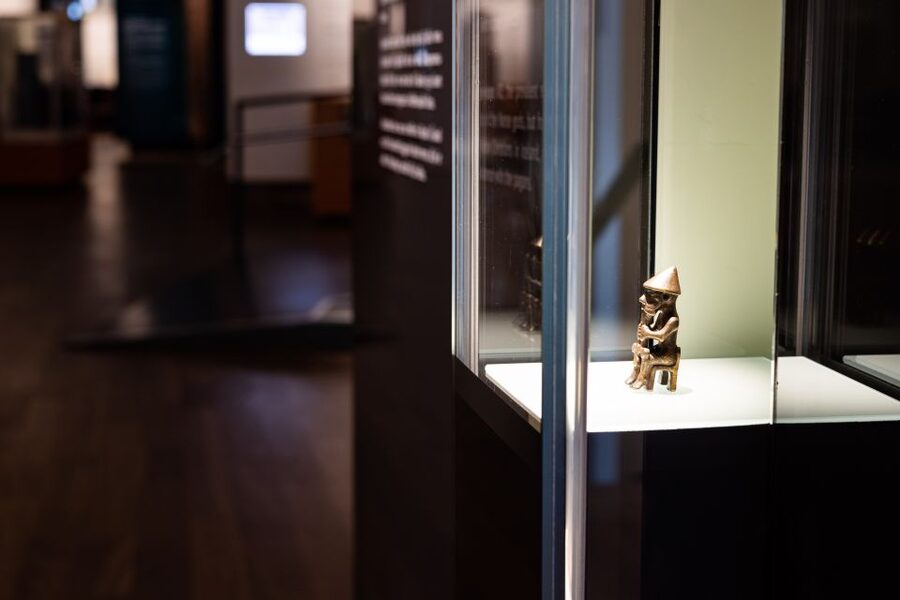
If Iceland history is already tugging at you, start by finding the exhibits anchored around the famous figure of Thor, dated to the year 1000. This object is highlighted for a reason. It gives you a tangible doorway into belief systems that shaped everyday decisions, from what people valued to how they explained the world.
Even if you are not a deep specialist, Thor helps you understand the museum’s bigger point. Iceland was not just a frozen backdrop for Norse tales. It was a society that transported its culture across the ocean and then adapted it to a rugged new home.
One practical approach: don’t treat Thor as a standalone moment. When you see it, look for nearby context on settlement life and how belief and identity were carried forward. The audio guide can help you connect what you’re seeing with the museum’s storyline, so you feel like you’re building a timeline rather than taking snapshots.
Other Reykjavik outings that keep coming up in our notes
- Reykjavik: FlyOver Iceland Entry Ticket★ 4.7 · 3,499 reviews
- Reykjavik: LAVA SHOW – Immersive Experience Entry Ticket★ 4.8 · 3,360 reviews
- Lava Show Reykjavik Admission Ticket – Optional Premium Upgrade★ 5.0 · 3,278 reviews
- Reykjavik: Perlan Museum Wonders of Iceland Entrance Ticket★ 4.7 · 2,575 reviews
- Sky Lagoon Entrance Ticket Including 7-Step Ritual★ 4.5 · 2,237 reviews
Settlement-to-modern Iceland: what to look for beyond the Vikings
The museum doesn’t stop at Viking-age fascination, and that matters for most visitors. You’ll move through the Settlement Age to the present, with objects that show religion, daily life, and cultural shifts.
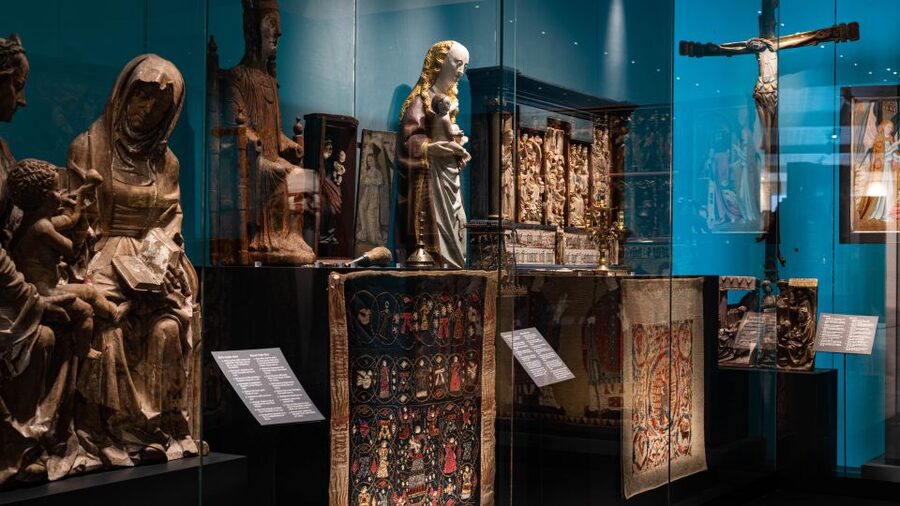
A standout moment in the religious and cultural lane is the first Bible printed in Iceland in the 16th century. It is described as still considered one of the most beautiful prints in Icelandic. That detail is useful for you, because it tells you what to pay attention to. Look at the object not only as a historical artifact, but as a crafted cultural product.
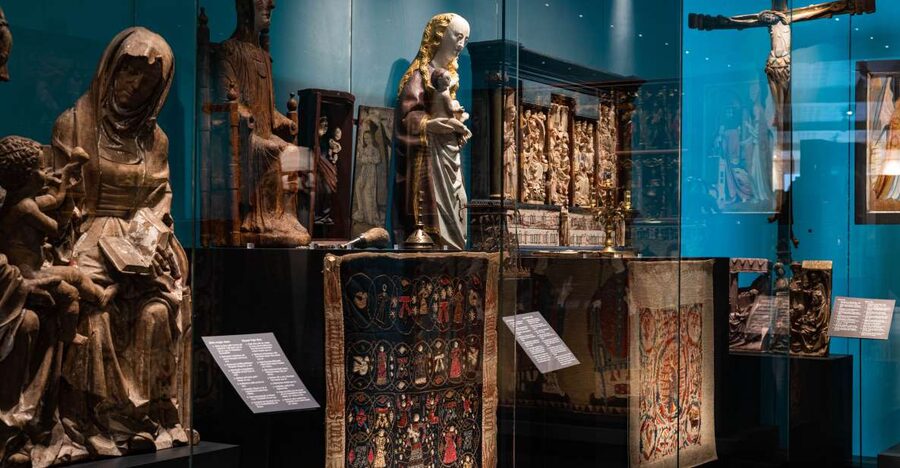
You’ll also see artifacts associated with mediaeval churches, which helps explain how official faith and local life interacted. This is one of those collections where the objects are small enough to surprise you, and specific enough to make the past feel personal. If you like understanding how ideas traveled through art, printing, and buildings, you’ll likely enjoy this section.
Then the exhibition pivots toward modern Iceland, ending with the airport as the gateway to the world. That closing choice is smart. It reminds you that Iceland’s story is not just about isolation. It is also about connections, movement, and what changes when travel becomes normal.
Temporary exhibitions included: how to choose without overthinking it
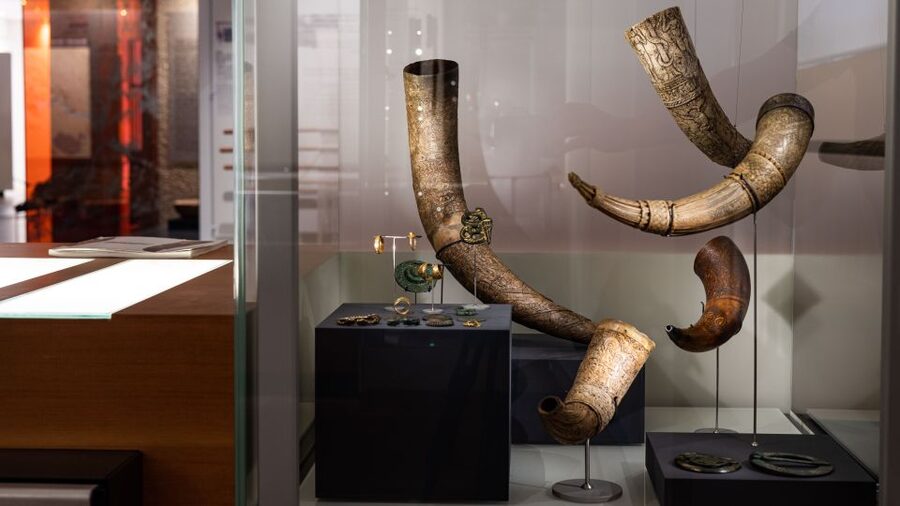
Your ticket grants access to the temporary exhibitions running during your visit. The museum notes that these shows vary over time and most focus on Icelandic culture.
Here’s how I’d handle it in real life. Don’t try to see everything in a frantic loop. Instead, decide whether you want your visit to be mainly the permanent timeline, or whether you want a few detours for the special displays that current dates bring.
Also, if you’re traveling on a limited schedule, check the temporary exhibition theme right when you arrive. If it matches your interests, it’s a great way to add depth to the permanent story. If not, you can still have a fully satisfying visit by staying with the core sequence.
Audio guide in 10 languages plus Wi-Fi: how to pace your visit
The audio guide is included and comes in English, Danish, French, Polish, Spanish, Dutch, Swedish, Icelandic, Italian, and Chinese. That coverage is especially handy if you’re traveling with someone who prefers a different language, or if you want a language switch for kids who can read better than they listen.
Wi-Fi support also helps if you want to double-check context or plan your next stop in Reykjavík without leaving the museum experience. It’s not required, but it makes the visit feel easier to manage.
One practical note from how people often experience this museum: the exhibition can feel a bit spread out, and the sequence may not be perfectly obvious at first glance. If that sounds like you, use the audio guide as your map. Start with the general timeline, then let it guide your attention. You’ll likely get more satisfaction than if you only wander by object type.
Museum shop replicas: souvenirs that actually connect to the finds
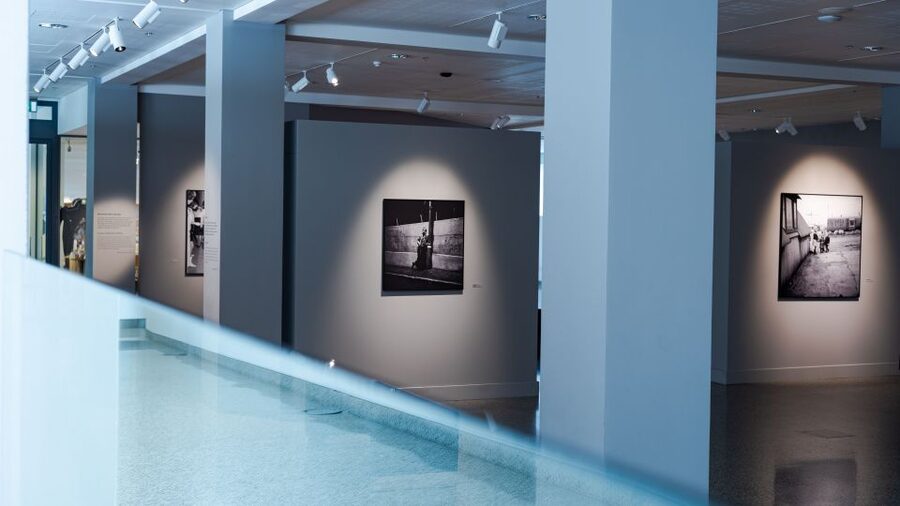
The museum shop sells exclusive replicas of archaeological finds. That is a better souvenir model than typical gift-shop stuff because it ties your purchase directly to what you saw.
Think of the replicas as a way to keep the story in your day-to-day life after you leave. If you buy something, I’d treat it like a bookmark. Pair it with a short note on what era it came from, so the memory stays anchored.
If you’re not shopping, the shop can still help you remember what stood out. Browsing after the galleries often works like a recap, especially if you’re trying to explain your trip to someone later.
How long to plan, and why rainy days make this an easy win
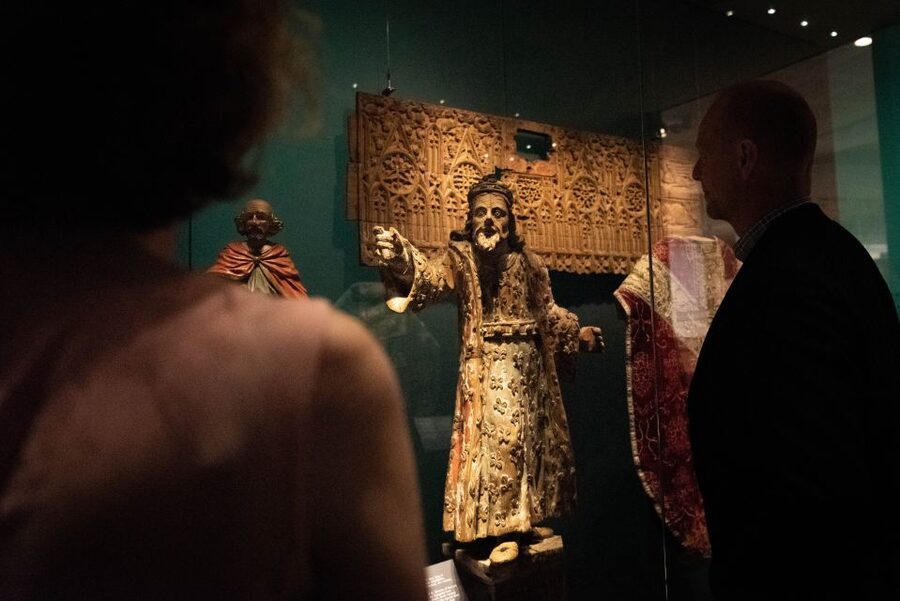
The museum visit works well as a planned reset day in Reykjavík. Based on common pacing, I’d expect most adults to spend around an hour and a half inside if they take time to read labels, listen to key parts of the audio guide, and look carefully at major objects.
If you are traveling with kids, this can be a good fit for older children, especially those who like learning about history in a structured way. For very small kids, it might feel like too much text and too many artifacts without the kind of hands-on play that some families look for. If you want a calmer family experience, you can also shorten your route to the main highlights like Thor, the Bible print, and a couple of church-related displays.
Rainy day logic is real here. When the outdoors are gray and wet, an indoor history stop keeps your trip balanced without wasting your time.
Pairing in Reykjavík: best combos with the rest of your day
This museum pairs naturally with other history and culture stops in Reykjavík. A strong combo is to follow up with a museum focused on seafaring or maritime stories if you want more of Iceland’s ocean connection right after you’ve seen the settlers’ ship in the timeline.
Another good pairing is to add a settlement-focused stop if your interest is mostly about how people built a life from scratch. The museum’s permanent exhibition gives you the macro timeline. Pairing gives you the micro details, like daily life rhythms and how communities developed.
If your schedule is tight, keep your plan simple. One museum that gives you the timeline first, then one shorter stop that builds on one theme. That keeps the story from feeling fragmented.
Price check: is $20 worth it?
At $20 per person, this ticket looks like a fair deal when you factor in what’s included. You get entry to the permanent exhibition plus temporary exhibitions, and you receive an audio guide in 10 languages along with Wi-Fi. That bundle means you are paying mainly for access to a large collection and the tools to understand it.
The best value angle for many people is timing flexibility. Tickets are valid for 365 days, so you can book now and choose the day that matches your weather and energy. That turns the museum from a rushed stop into a planned, comfortable part of your itinerary.
The only real cost concern is personal. If you only want museum highlights and you rush through labels, you might feel the price more sharply. If you like taking your time with objects and letting the timeline do the work, the $20 tends to feel justified.
Who this museum suits best, and who might want a different plan
This is a great match for history-focused visitors and for anyone who wants to understand Iceland as a place shaped by ideas, trade, belief, and adaptation. The strongest parts are the major anchors like Thor, the Bible print, and the medieval church artifacts, plus the long timeline that helps everything connect.
It can also work well if you like museums that add a little interaction. The museum includes elements that encourage engagement rather than only passive looking, which helps on longer visits.
On the other hand, if you are the type who wants extremely deep interpretation for each single object, you may find yourself wishing for more detail than you get on the first pass. And if you have very young children, you might need to keep the visit shorter and focus on a few objects rather than trying to absorb the whole timeline.
Should you book this National Museum of Iceland entry ticket?
Book it if you want an organized, indoor way to understand Iceland from settlement to modern life. The ticket gives you more than one exhibition, includes a multilingual audio guide, and gives you a clear narrative structure anchored by objects like Thor from around the year 1000 and the first Iceland-printed Bible from the 16th century.
Skip booking only if you have zero interest in history, or if you are planning to visit just one museum in Reykjavík and already know you prefer a different theme. In most cases, this ticket is a solid use of time because it helps you read the rest of your trip with better context.
FAQ
Where do I show my ticket?
Show your ticket at the reception desk at the National Museum of Iceland.
How much does the entry ticket cost?
The price is listed as $20 per person.
What is included with the ticket?
The ticket includes entry tickets to the National Museum of Iceland, an audio guide in 10 languages, and Wi-Fi.
Is transportation included?
No, transportation is not included.
How long is the ticket valid?
The ticket is valid for 365 days.
Which languages are available for the audio guide?
The audio guide is available in English, Danish, French, Polish, Spanish, Dutch, Swedish, Icelandic, Italian, and Chinese.
Are luggage or large bags allowed?
No, luggage or large bags are not allowed.
Is the museum wheelchair accessible?
Yes, the museum is wheelchair accessible.
Can I cancel and get a refund?
The listing states free cancellation is available up to 24 hours in advance for a full refund.
More Tickets in Reykjavik




More Tour Reviews in Reykjavik




Walks and Museums, More Picks



More Reykjavik write-ups from our desk
- Private Transfer from Reykjavik to Reykjavik Airport KEF by Sedan
★ 5.0 · 3 reviews - Northern Lights in Mini Bus, Photos, Hot Cocoa and Pastries
★ 5.0 · 3 reviews - Exclusive Westman Islands Adventure – A Private Day Tour
★ 5.0 · 3 reviews - Private South Coast tour with Glacier walk
★ 5.0 · 3 reviews - Borgarfjörður
★ 4.5 · 3 reviews - SOUTH COAST : The Discovery
★ 5.0 · 3 reviews
City Walks & Museums, compared.
 ★ 5.0Reykjavík Small group Walking Tour – by CityWalkFrom $535,076 reviews
 ★ 4.7Reykjavik: FlyOver Iceland Entry TicketFrom $453,499 reviews
 ★ 4.7Reykjavik: Perlan Museum Wonders of Iceland Entrance TicketFrom $482,575 reviews
 ★ 4.5Perlan – Wonders of Iceland ExperienceFrom $562,012 reviews
 ★ 4.9Reykjavik: Guided Foodie Walking Tour with 6 TastingsFrom $1421,645 reviews
 ★ 4.5FlyOver Iceland Admission TicketFrom $471,467 reviews
 ★ 3.9Reykjavik: City Sightseeing Hop-On Hop-Off Bus TourFrom $471,283 reviews
 ★ 4.5Reykjavik Walking Tour – Walk with a VikingFrom $551,018 reviews
Browse the lists this tour appears in