
Review · CITY WALKS & MUSEUMS
Reykjavik: Saga Museum Entry Ticket
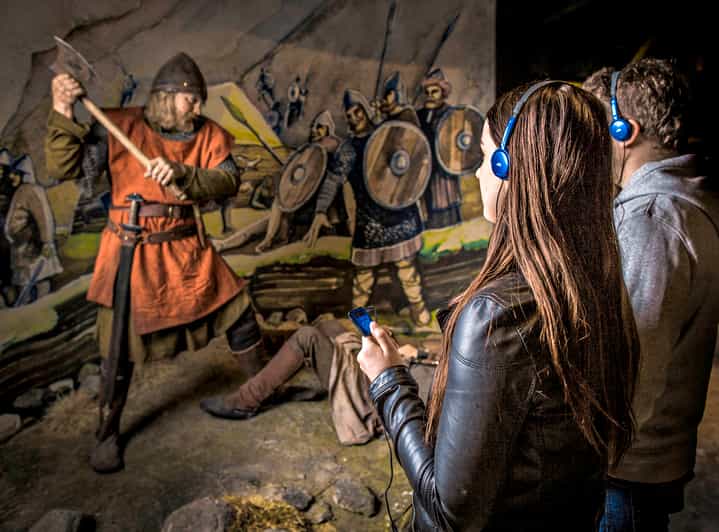
A Viking story starts with a room full of history. The Saga Museum in Reykjavik uses life-like waxwork scenes to walk you through the sagas, from the earliest settlers to the Reformation. It’s an easy, self-paced way to understand Iceland’s past without needing a degree in medieval literature.
I especially love how the tour is built around a clear timeline, so you keep moving forward instead of getting lost in random facts. I also like the “hands-on” payoff at the end, where you can dress up as a Viking in costume and get that fun photo moment. One thing to consider: the museum is small, and one review flagged waiting between steps, so plan a little extra time rather than rushing.
In This Review
- Key highlights at Saga Museum (Grandagarður 2)
- Finding Saga Museum in Reykjavik, with a statue to guide you
- The 35-minute audio tour, built as an Iceland timeline
- The 20 saga exhibits, and what each section is trying to teach you
- Early Iceland: the Papar and the first settlers
- Leif the Lucky and the saga bridge to later Europe
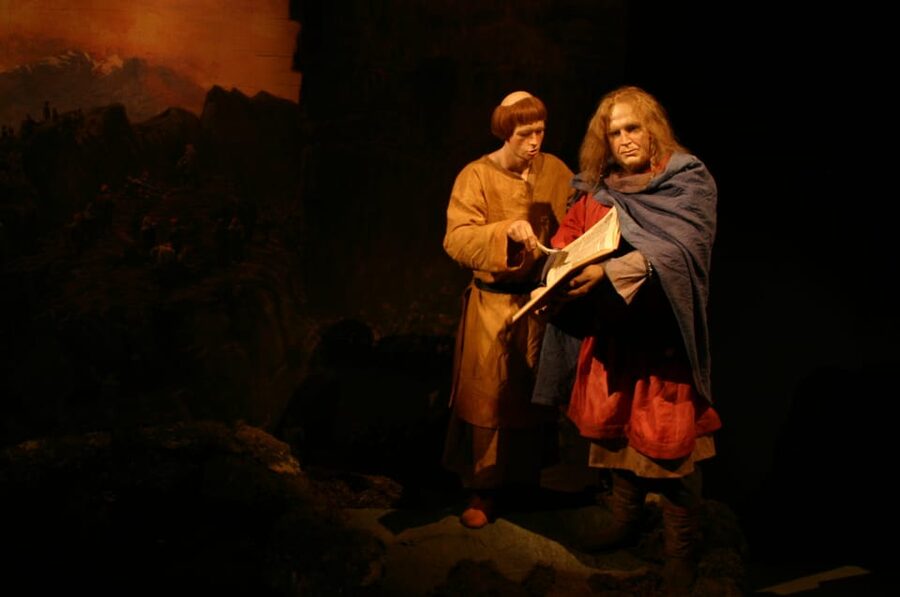
- Saga age: when stories were written down
- Civil war and the human cost of conflict
- Reformation: the last Catholic bishop
- What the dress-up section is really for (and how to use it well)
- Small museum, big focus, and why some people feel it is short
- Languages and headsets: how to make sure you catch everything
- Price in Reykjavik: does $33 feel worth it?
- Who this Saga Museum ticket is best for
- Quick practical notes for a smoother visit
- Should you book the Saga Museum ticket in Reykjavik?
- FAQ
- How much is the Reykjavik Saga Museum entry ticket?
- How long is the guided experience?
- What languages are available on the audio guide?
- Where is the meeting point?
- What is included with the ticket?
- Is food or drinks included?
- Is it suitable for young children?
- Are there cancellation and reserve options?
Key highlights at Saga Museum (Grandagarður 2)
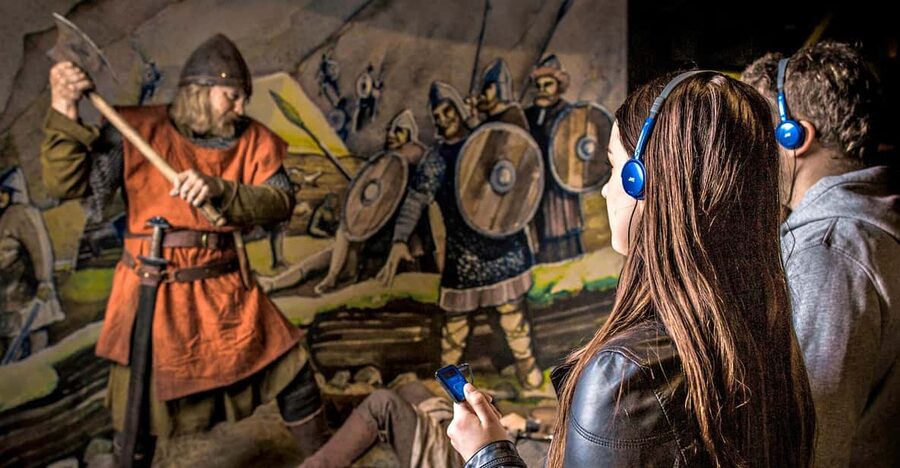
- Life-like wax scenes that make saga characters feel present, not distant
- A 35-minute audio-guided route that strings events together in order
- 20 exhibits that cover key turns of Icelandic history, from Papar to the Reformation
- Viking dress-up area with authentic-looking clothes and weapons
- Friendly, helpful staff and a straightforward visit flow
On foot around town, plus the indoor stops
Finding Saga Museum in Reykjavik, with a statue to guide you
Saga Museum sits on Grandagarður 2, in Reykjavik’s Capital Region. The place is easy to spot once you know the trick: there’s a Viking statue on a horse right in front of the white building. The museum shares the same door as the nearby restaurant called Matur og Drykkur, so if you’re staring at the wrong entrance, you’re probably standing just a few steps off.
I like this setup because it reduces stress. You’re not guessing which building is yours, and you’re not spending your visit hunting for check-in. If you’re arriving on foot from central Reykjavik, give yourself a few minutes to orient, then head straight in.
Also bring the mindset that this is a museum you can complete in one focused block. It’s not a “wander for hours” kind of stop. If you keep your expectations aligned, you’ll get more out of the time you spend.
The 35-minute audio tour, built as an Iceland timeline
This ticket is built around a 35-minute audio-guided tour with headsets. That’s a sweet length for a historical experience in Iceland, because you get enough time to absorb a real story arc without feeling stuck for half a day.
The audio is offered in English, French, German, Icelandic, Russian, Spanish, and Swedish. You’ll also have text guides in Polish and Italian. In practice, that means you should have a language option even if your travel language skills are mixed. It also helps if you want to follow along more visually at certain exhibits, since audio and text give you two ways to catch what you missed.
Here’s what makes the audio route valuable: it’s not just “here’s a statue.” It’s paced like a narrative. You start at the beginning of Iceland’s settlement story, then you move through key milestones that shaped how Iceland governed itself and how its religion shifted over time. If you’ve ever felt museums overload you with dates, this format should feel more human and easier to remember.
The 20 saga exhibits, and what each section is trying to teach you
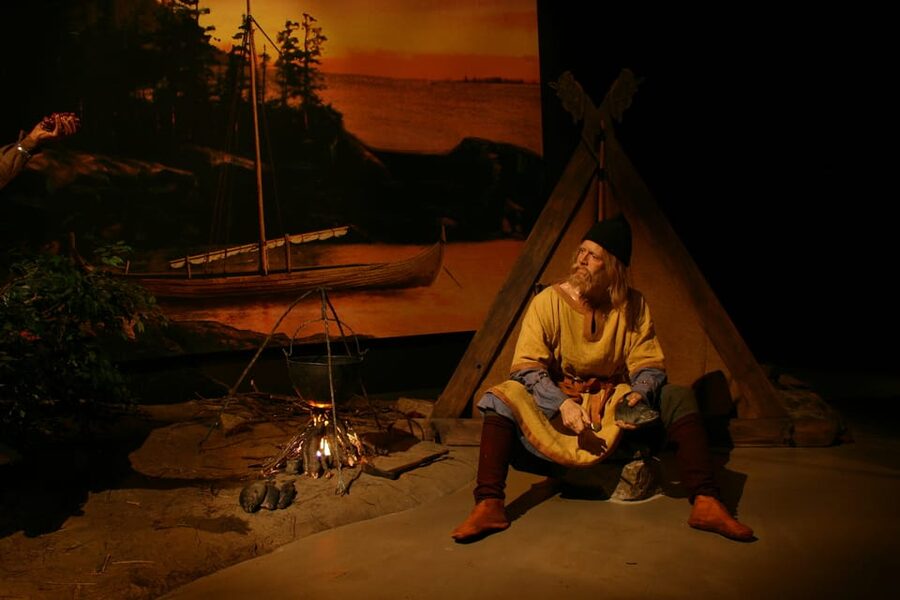
You’ll see 20 exhibits, each aimed at a highlight from the Icelandic sagas and the broader sweep of Icelandic history. What I appreciate is that the exhibit themes line up with the sagas as stories people told, repeated, and eventually wrote down.
Other Reykjavik outings that keep coming up in our notes
- Reykjavik: FlyOver Iceland Entry Ticket★ 4.7 · 3,499 reviews
- Reykjavik: LAVA SHOW – Immersive Experience Entry Ticket★ 4.8 · 3,360 reviews
- Lava Show Reykjavik Admission Ticket – Optional Premium Upgrade★ 5.0 · 3,278 reviews
- Reykjavik: Perlan Museum Wonders of Iceland Entrance Ticket★ 4.7 · 2,575 reviews
- Sky Lagoon Entrance Ticket Including 7-Step Ritual★ 4.5 · 2,237 reviews
Early Iceland: the Papar and the first settlers
The tour kicks off with the Papar, described as the earliest settlers and the first people associated with what’s sometimes considered the pre-Viking presence on the island. From there, you move into the arrival of the first Vikings and the naming of Reykjavik.
This section matters because it reframes the start of Iceland. Instead of treating the Vikings as the only beginning, you get a broader picture of who was there first, and how later newcomers built on what came before. Even if you only remember one thing, it’s often this shift from a single story to a layered one.
Leif the Lucky and the saga bridge to later Europe
Next comes the discovery of America by Leif the Lucky. This is the kind of moment that makes the sagas feel bigger than Iceland, because it connects Icelandic storytelling to the wider world people later explored.
Then the tour moves toward the founding of the Parliament. That part is useful because it takes Iceland beyond Viking myths and shows how governance and community decisions mattered, too. You’re not only learning what happened, you’re seeing why it mattered for everyday life and long-term stability.
Saga age: when stories were written down
After the early milestones, the tour heads into the Saga age, the period when these stories were written down. Even if you’ve heard the word saga before, this section helps you understand it as a process, not just a genre name.
What you’ll get is the feeling that the sagas are cultural memory. They preserve values, conflicts, and social expectations. That turns the exhibits from “cool costumes and weapons” into something you can connect to Iceland’s identity today.
Civil war and the human cost of conflict
The tour then covers civil war in Iceland. This isn’t just namedropped, it’s placed as a major storyline within the saga era. It’s one of the pieces that keeps the tour from feeling like a straight-line success story.
I like this because it adds balance. You’re seeing that even a remote island society had major internal struggles, and those struggles shaped what got remembered and retold.
Reformation: the last Catholic bishop
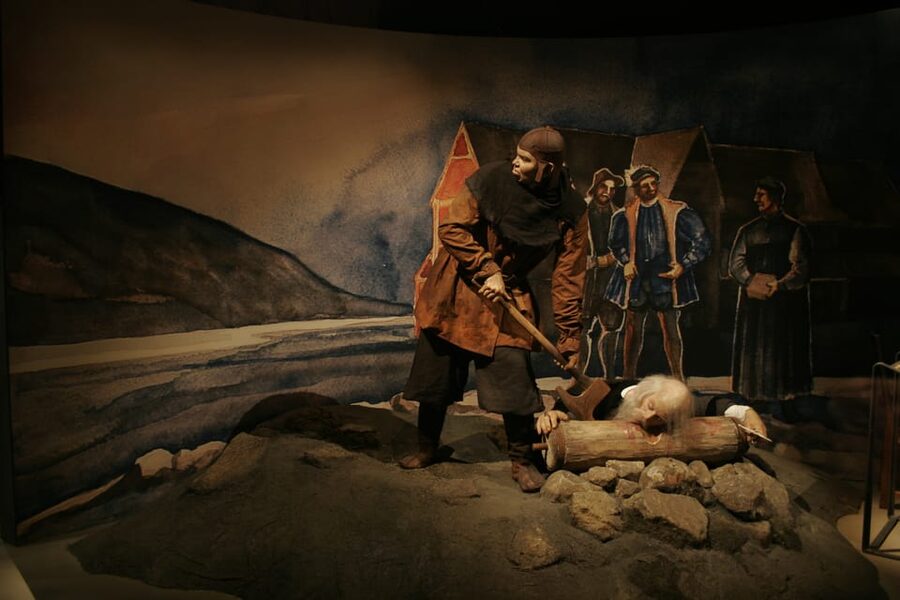
The final historical stretch covers the Reformation and the last Catholic bishop in Iceland. This is the kind of shift that can feel abstract in a classroom, but in a museum setting it’s easier to track as the tour moves from medieval settlement to religious transformation.
If you only have a short time in Reykjavik, this ending is a smart choice. It closes with a major turning point that helps explain why Iceland’s history looks the way it does.
What the dress-up section is really for (and how to use it well)
After the learning, you reach the fully equipped costume area. Here you can unleash your inner Viking in authentic clothes and authentic weapons.
This is not just for fun photos, though it’s absolutely that too. The dress-up moment gives your brain a physical cue. When you’ve just spent time listening to sagas and walking through scenes, changing into the look of a warrior or settler helps make the history feel tangible. It’s a classic museum strategy, but this one gets it right because it arrives after you’ve built context.
Practical tip: treat it like a mini activity, not a quick afterthought. If you’re going at a busy time, give yourself a bit of time at the end for photos and changing. One downside noted by a visitor was waiting around for the next step, so you might enjoy the visit more if you don’t cram your schedule afterward.
Small museum, big focus, and why some people feel it is short
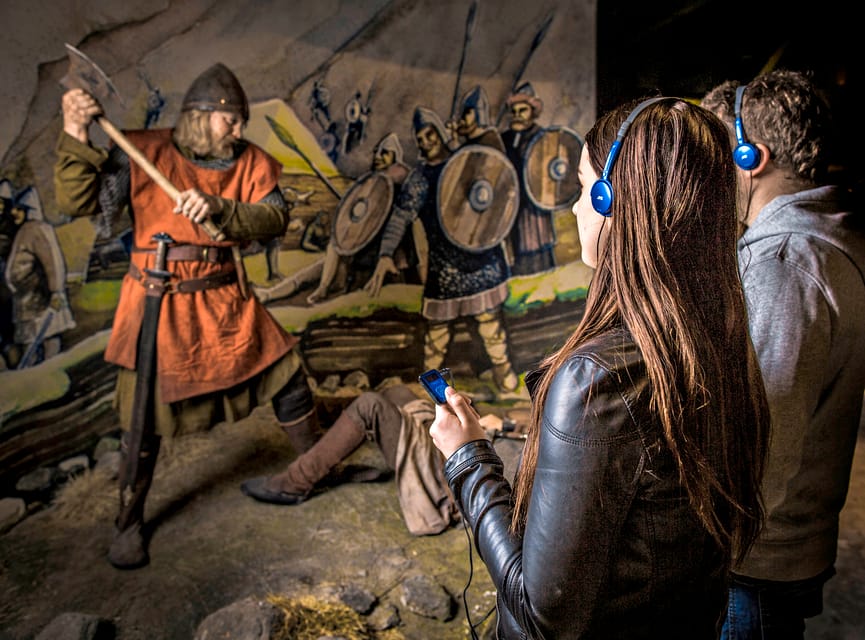
Saga Museum runs like a focused route. You’re paying for the experience design: a tight set of exhibits plus audio guidance. That’s why the visit can feel satisfying if you’re the type who likes story-led museums.
But it also explains why one review called it very small and not terribly interesting. If your goal is a large, hours-long museum with changing special exhibits, this won’t match that expectation. You’re not here for endless galleries. You’re here for a clear narrative and a specific saga theme.
My advice: plan it as your “single history stop” day feature. Pair it with another short Reykjavik activity rather than trying to squeeze five museums into one outing.
Languages and headsets: how to make sure you catch everything
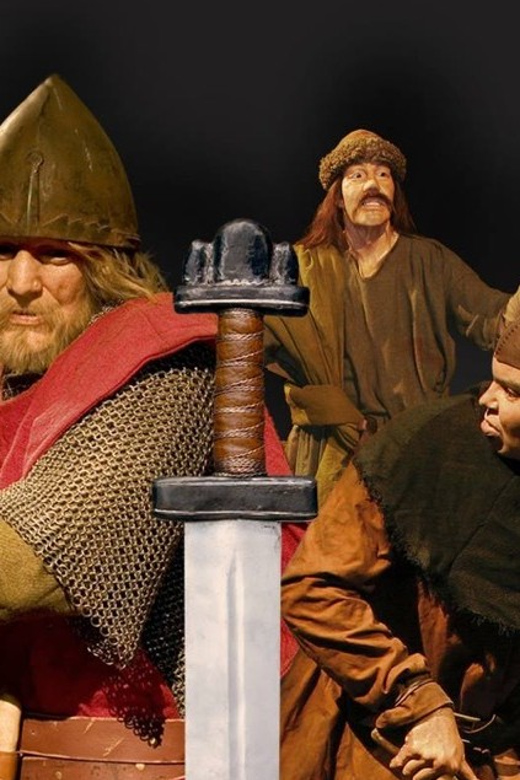
Audio-guided tours can fail when sound levels or pace are off. Here, the strong point is that you have headsets and a broad language selection: English, French, German, Icelandic, Russian, Spanish, and Swedish. On top of that, there are text guides in Polish and Italian.
So if you’re traveling with someone who reads better than listens, you have options. If you’re unsure whether you’ll understand every detail in your language, you can switch to the text guides for reinforcement.
Also, since the tour is around 35 minutes, you’ll want to stay alert from the start. If you tune out for the first segment, you’ll feel the gap later when the tour moves into events like Leif the Lucky and the Parliament founding. The best approach is to treat it like a guided story, not background noise.
Price in Reykjavik: does $33 feel worth it?
At $33 per person, you should think about value in a specific way. You are paying for: entry, a guided narrative through 20 wax exhibits, headsets and audio in multiple languages, plus practical extras like parking and lockers.
In Iceland, museum prices can be high, and one review pointed out that the cost felt steep compared with other European destinations and even the USA. That’s a fair check. So here’s how I’d judge whether it’s worth your money:
Buy it if you want a quick, story-driven historical experience that you can complete in a short window, and you like visuals that bring characters to life. The realistic scenes and life-like figures were praised, and that matters because it’s the core of the experience.
Skip it if you want a big museum with lots of space to roam, or you’re only casually interested in sagas. The same factors that make it focused, a tight layout and a short visit, can feel too small.
Who this Saga Museum ticket is best for
This is a good match if you:
- like history told through stories, not lecture-style timelines
- enjoy visual exhibits that feel dramatic and grounded
- want something family friendly in tone, but with a clear caution for sensitive kids
- like the idea of Viking dress-up as part of the day
It may be less comfortable for very sensitive children. The museum notes it may not be suitable for sensitive kids, and it is not recommended for children under 4 years.
For adults, it’s a solid “get oriented” stop. For groups, it works because everyone can choose the language that fits. For couples, it’s an easy shared activity, especially with the costume area at the end.
Quick practical notes for a smoother visit
A few details help you avoid unnecessary friction:
- Food and drinks are not included, so plan a snack or drink elsewhere.
- Parking and lockers are included, which is helpful if you’re walking in from other parts of Reykjavik or bringing bags.
- Pickup and drop-off are not included, so you’ll want to reach the museum under your own steam.
Also, reserve it as a dedicated slot. Because the audio tour is timed and the exhibit flow is structured, you’ll feel the museum more when you’re not rushing for the next thing.
Should you book the Saga Museum ticket in Reykjavik?
If you want a compact, story-led museum that uses life-like wax scenes to bring Iceland’s saga timeline into focus, I think you’ll enjoy Saga Museum. The most repeated strengths are the realism of the figures and the clear, fun payoff with the Viking dress-up area, plus generally positive staff experiences.
I’d book with caution if you only like large museums or if you hate any chance of waiting during transitions. Also, if cost is a concern for you, treat the $33 as paying for an audio-guided narrative plus themed exhibits, not for a sprawling collection.
My bottom line: book it if you want a memorable Iceland story in about an hour or so, then move on to the rest of Reykjavik with fresh context in your head.
FAQ
How much is the Reykjavik Saga Museum entry ticket?
The price is listed at $33 per person.
How long is the guided experience?
The audio-guided tour is 35 minutes.
What languages are available on the audio guide?
The audio guide is available in English, French, German, Icelandic, Russian, Spanish, and Swedish.
Where is the meeting point?
The museum is at Saga Museum, Grandagarður 2. There is a Viking statue on a horse in front of the white building, and it shares the same door as Matur og Drykkur.
What is included with the ticket?
Included are the entrance fee, audio guides with headsets, text guides in Polish and Italian, parking, and lockers.
Is food or drinks included?
No, food and drinks are not included.
Is it suitable for young children?
It may not be suitable for sensitive children, and it is not suitable for children under 4 years old.
Are there cancellation and reserve options?
Yes. You can cancel up to 24 hours in advance for a full refund, and you can reserve now and pay later (pay nothing today).
More Tickets in Reykjavik



More Tour Reviews in Reykjavik




Walks and Museums, More Picks



More Reykjavik write-ups from our desk
- Private Transfer from Reykjavik to Reykjavik Airport KEF by Sedan
★ 5.0 · 3 reviews - Northern Lights in Mini Bus, Photos, Hot Cocoa and Pastries
★ 5.0 · 3 reviews - Exclusive Westman Islands Adventure – A Private Day Tour
★ 5.0 · 3 reviews - Private South Coast tour with Glacier walk
★ 5.0 · 3 reviews - Borgarfjörður
★ 4.5 · 3 reviews - SOUTH COAST : The Discovery
★ 5.0 · 3 reviews
City Walks & Museums, compared.
 ★ 5.0Reykjavík Small group Walking Tour – by CityWalkFrom $535,076 reviews
 ★ 4.7Reykjavik: FlyOver Iceland Entry TicketFrom $453,499 reviews
 ★ 4.7Reykjavik: Perlan Museum Wonders of Iceland Entrance TicketFrom $482,575 reviews
 ★ 4.5Perlan – Wonders of Iceland ExperienceFrom $562,012 reviews
 ★ 4.9Reykjavik: Guided Foodie Walking Tour with 6 TastingsFrom $1421,645 reviews
 ★ 4.5FlyOver Iceland Admission TicketFrom $471,467 reviews
 ★ 3.9Reykjavik: City Sightseeing Hop-On Hop-Off Bus TourFrom $471,283 reviews
 ★ 4.5Reykjavik Walking Tour – Walk with a VikingFrom $551,018 reviews
Browse the lists this tour appears in