
Review · CITY WALKS & MUSEUMS
Reykjavik: World War II Walking tour around the city centre
WWII begins in Reykjavik’s street corners. In this two hour walk, you trace the British invasion in May 1940 using period photos and videos, then connect it to how daily life shifted.
What I really like is how Old Harbour is treated as an exact, pinpoint moment, not a vague museum tale. Next, the route through Reykjavik Old Town keeps the story moving as you see the city’s core from street level.
One thing to consider: this is an outdoor walk that runs in almost all weather, and while there are benches at several stops, you should expect some standing and a bit of hill time.
In This Review
- Key points I think you’ll care about
- Meeting outside Hotel Borg, the story starts where the city breathes
- The Old Harbour and the British landing in May 1940
- Reykjavik Old Town, where the route follows the soldiers
- The German Residence stop, getting past one-sided WWII narratives
- British Invasion meets American presence, and why culture changed fast
- The guide, Lucky, and how humor keeps the story memorable
- How much walking and standing you should plan for
- Price and time: is $40 for a WWII walk a good deal?
- What to bring for Reykjavik weather and photo stops
- Who should book this WWII walking tour, and who might not
- Should you book The War Tour’s Reykjavik WWII walking tour?
Key points I think you’ll care about
- Exact Old Harbour landing point tied to May 1940
- Period photos and videos that make the street locations click
- A walking route that follows how soldiers moved into the city
- Reykjavik Old Town stops, plus key buildings taken over
- The German Residence, for a fuller picture beyond the Brits
- Guides who bring humor and even occasional spooky stories
On foot around town, plus the indoor stops
Meeting outside Hotel Borg, the story starts where the city breathes
Most WWII history tours in Europe start with a building. This one starts with a place you can actually stand in. You meet outside Hotel Borg at Austurvollur, Parliament Square, and the tour simply launches you from there. It is an easy start, and the meeting point is right in the heart of Reykjavik, which makes the rest of the walk feel natural instead of like a long trek to a distant site.
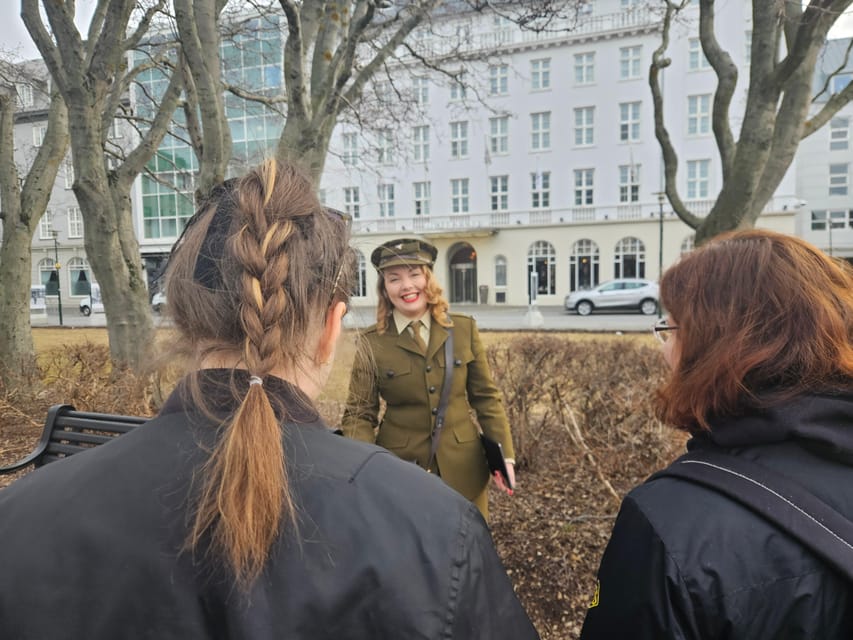
I like that the tour keeps you grounded in what changed on the street. You are not just absorbing dates. You are learning what the British arrival meant in daily rhythm, in how people ate, listened, and socialized. That is a big deal because WWII history can turn into a list of events fast. Here, the focus bends toward everyday life, and it does it while you are literally walking through the city centre.
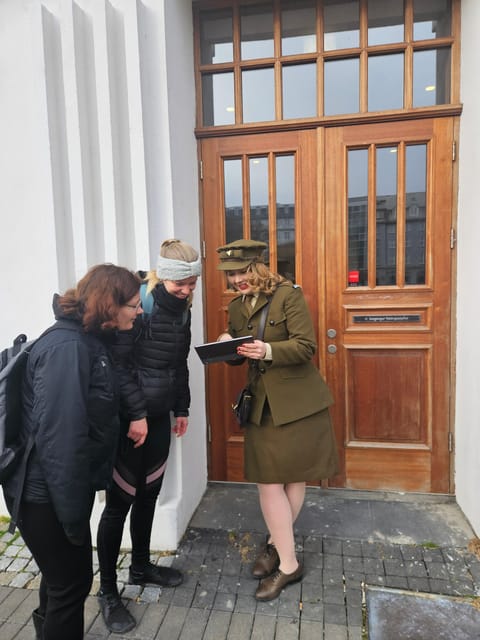
The guide also matters. The experience is built around a live, English speaking historian-type guide, and the best thing about that is flexibility. When the conversation turns to the food or the music side of the story, you can usually ask follow-up questions and get a direct answer rather than a scripted speech.
The Old Harbour and the British landing in May 1940
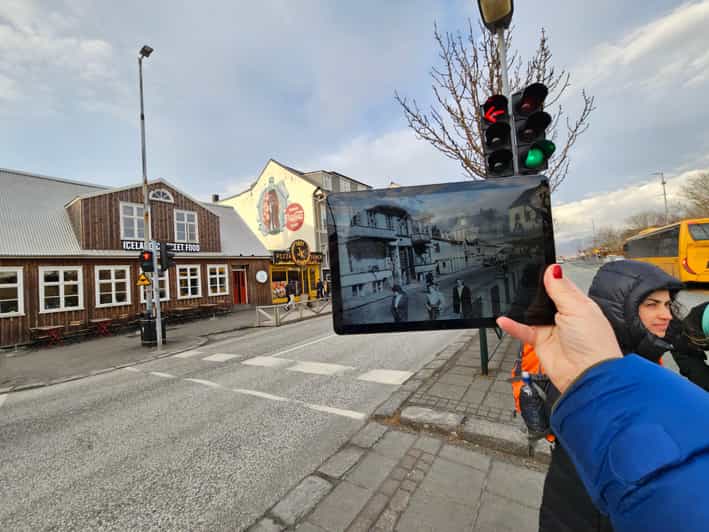
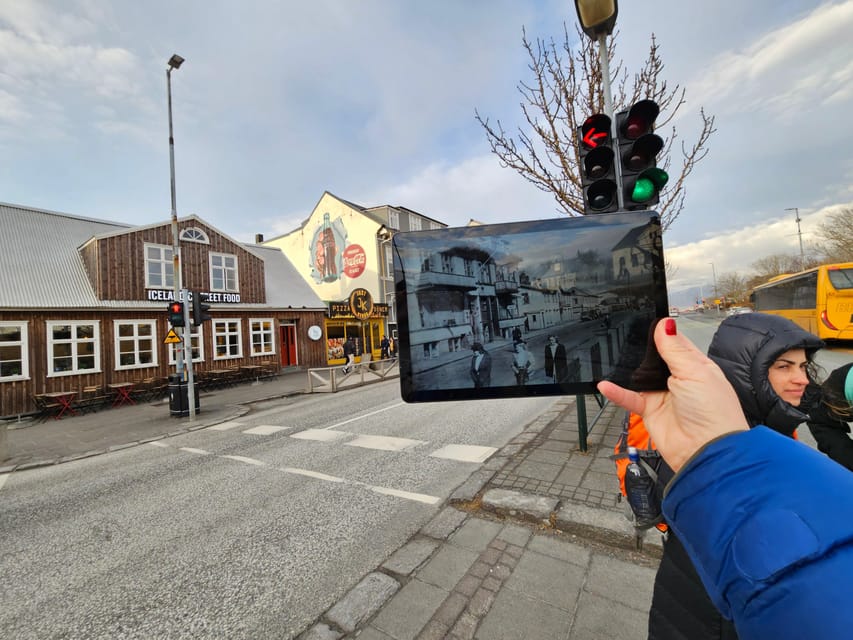
If you remember one thing from this tour, make it the Old Harbour. The stop is described as the exact landing place of the British invasion, and that detail is what makes the whole experience click. You are shown where the British came ashore, and the guide uses period photos and videos to connect what you see now with what the area looked like then.
That matters more than you might think. Reykjavik has grown and shifted, like most cities. Without those visual references, the street scene can feel like a postcard of the present. With the period material, your brain has something to hold onto. It becomes easier to picture the movement of soldiers and the early days of occupation pressure.
There is also a practical benefit. Early on, you get a sense of how Reykjavik’s old core sits relative to the water. Even if you are only in town briefly, this tour helps you build a mental map. Later, when you wander on your own, you will recognize parts of the route and understand why certain neighborhoods mattered back then.
Drawback check: this is a walking tour, and early stops can mean you are watching the guide while standing in outdoor conditions. Bring rain gear and be ready for wind. Iceland does not do subtle.
Reykjavik Old Town, where the route follows the soldiers
After the Old Harbour, you follow the line of movement into Reykjavik’s heart. The tour follows the route soldiers took, through the old town, as the British presence expanded. The guide points out where they took over key buildings as they moved deeper into the city.
This is where the tour becomes more than a sightseeing loop. You learn to read the city as a set of decisions and power shifts. The streets stop being just streets. They become corridors of control, logistics, and culture exchange.
As you walk, the guide also ties military action to social change. This is not only about who arrived with what. It is about what that arrival changed for people who were already living in Reykjavik. The tour highlights how the British and later the Americans influenced daily culture, including things like the food people ate and the music they danced to. That focus is smart, because it gives WWII a human scale.
I also appreciate the way the tour uses side streets. You get shown angles of the city centre you might not naturally pick while doing a quick self-guided walk. It is not about chasing novelty. It is about understanding the actual path through the old core, because that is what the story depends on.
Other Reykjavik outings that keep coming up in our notes
- Reykjavik Food Walk – Local Foodie Adventure in Iceland★ 5.0 · 18,952 reviews
- Reykjavik: Guided Foodie Walking Tour with 6 Tastings★ 4.9 · 1,645 reviews
- Reykjavik Walking Tour – Walk with a Viking★ 4.5 · 1,018 reviews
- Reykjavik Folklore Walking Tour: Meet the Elves, Trolls & Ghosts of Iceland★ 4.5 · 702 reviews
- Walking tour of Reykjavik city★ 5.0 · 416 reviews
The German Residence stop, getting past one-sided WWII narratives
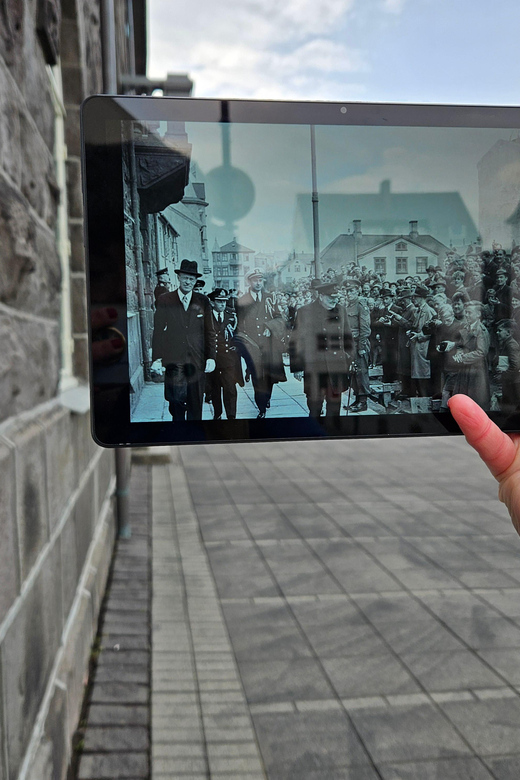
One of the standout highlights is the German Residence. Including a German related stop helps the tour feel more balanced. It signals that this story is not only about one side and one invasion. WWII in Iceland sat in the middle of wider tensions, and the tour’s route reflects that larger context.
You get a chance to see how the city’s architecture and specific addresses can carry history forward. Even without turning this into a lecture about every wartime detail, the guide uses the location to explain why it mattered. If you like your history grounded in real places, this stop will land well.
You should also expect the guide to connect this stop back to the broader theme: how international military pressure shaped Iceland’s social life. In other words, the tour keeps returning to the idea that occupation and alliance were not just political. They were cultural too.
If you are the type who tends to focus only on the dramatic parts of WWII, this German Residence stop can gently recalibrate you. It offers a more complete city-level view, and that makes the final walk feel earned instead of repetitive.
British Invasion meets American presence, and why culture changed fast
The tour spends real time on the British Invasion, but it does not treat the Americans as background noise. Along the way, your guide discusses the American presence in Iceland and the way it reshaped society.
I like this angle because it explains a common puzzle. Why did WWII-era influence show up in everyday culture? How did something so massive become something you could taste or hear? The tour gives you the bridge. It links foreign presence to lifestyle shifts, including food and music.
Think of it like this: military occupation and allied infrastructure are one layer. Culture and social habits are the second layer, and they often spread through small, repeatable daily routines. When a city gets new rhythms, people adapt. The tour frames Iceland’s adaptation as a real social transformation, not just a historical footnote.
From a value perspective, this part is what separates the tour from a simple monuments-and-dates walk. It makes you look at modern Reykjavik with different eyes, even after the tour ends. You start noticing how foreign connections show up in cultural life, even when the city looks entirely peaceful.
The guide, Lucky, and how humor keeps the story memorable
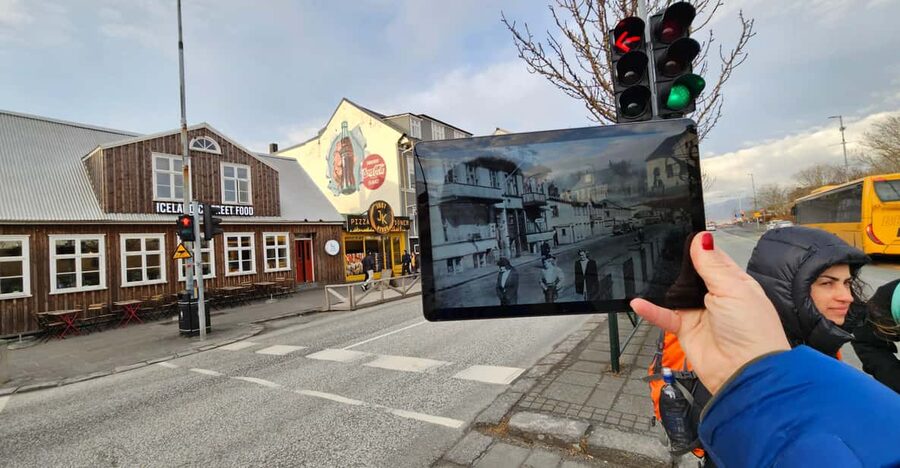
The guides are a big part of why this tour earns such strong ratings. In the feedback shared for this experience, one guide name comes up clearly: Lucky. People describe Lucky as friendly, funny, and highly effective at making the story feel alive. There is also mention of ghost stories, which may not be your main reason for booking, but it is a good sign that the guide knows how to pace a tour so you stay interested.
That humor is not random. It works because the subject matter is heavy. WWII was intense, and standing outdoors in cold weather while hearing about conflict can either become grim or become engaging. The best guides do both: they respect the seriousness, and they keep you awake and listening. Lucky’s style appears to hit that balance.
Even if you are not a spooky-story person, the takeaway is practical. A guide who can mix the cultural side, the timeline side, and the light side is better at responding to your curiosity. You get more than facts. You get a conversation that fits your interests.
How much walking and standing you should plan for
This is a wheelchair accessible walking tour, and that is not just a checkbox. The tour notes that there are no stairs, and while there is a small hill up and back down, most of the route is flat. Benches exist at several of the stops, but not all of them.
So here is the practical planning advice: wear shoes that handle damp sidewalks and slippery edges. If you use mobility aids, bring what you normally bring for outdoor surfaces and cold air. If you need frequent breaks, consider that while benches are available some of the time, you will likely have a few stretches where standing is unavoidable.
Also, the tour goes in almost all weather. Even in summer, Reykjavik is often colder than people expect. That means your clothing is not just comfort. It is part of whether you enjoy the experience.
Price and time: is $40 for a WWII walk a good deal?
At $40 per person for a two hour, history focused city centre walk, the value is mostly about what is included and how the guide uses it. You get a live English speaking guide, you get period media used during the walk, and you get direction to specific places like the Old Harbour landing point and the German Residence.
What makes it feel fair is the combination of accuracy and focus. A tour at this price point can easily become a generic overview. Here, the emphasis is on specific locations and on how WWII reshaped society. That is a lot to pack into two hours, and it is exactly why a guide matters. You are not just doing sightseeing, you are learning how to connect the past to the present.
There is no requirement to buy drinks or snacks along the way, since refreshments are not included. I suggest you plan to grab something before or after the tour, so you can stay focused during the walk and not hunt for a place mid route.
What to bring for Reykjavik weather and photo stops
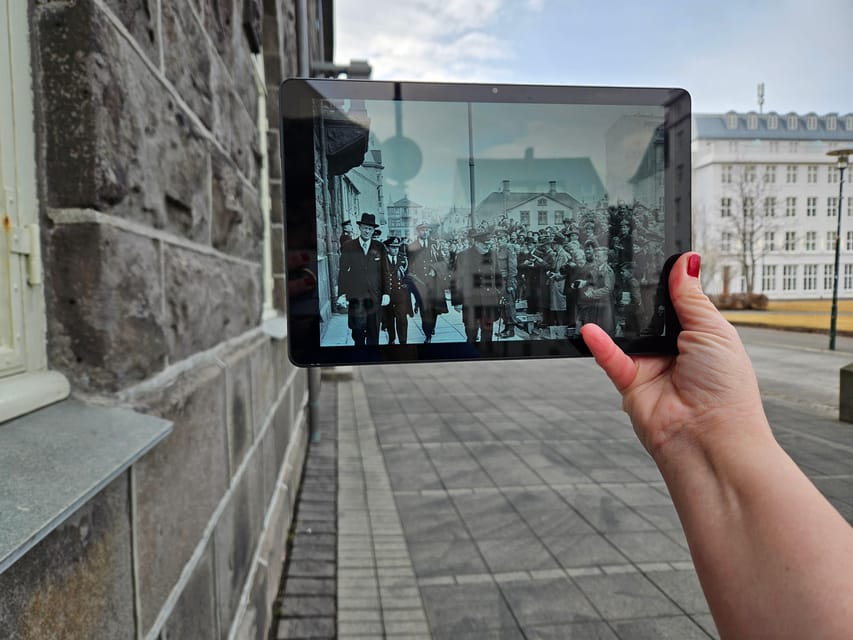
This tour is outdoors in almost all weather, so your kit can make or break the comfort level. Bring comfortable shoes, a camera, and rain gear. Outdoor clothing is the baseline. If you think you can dress light for Iceland because it is summer, you might get a rude surprise.
Also, consider the photo side. Period photos and videos are part of the story, which means your camera is useful not only for modern views, but for capturing the stop points the guide highlights. If you plan to photograph in wind and rain, bring a lens cloth or a simple way to keep your lens clean.
One more small tip: wear layers. You will move, you will stop, and you may feel the temperature swing as clouds shift over the harbour area.
Who should book this WWII walking tour, and who might not
Book it if you want WWII history that connects to real places and real culture. This works well if you like history that explains change, not just conflict. It is also a great choice if you enjoy a guide who can make the story human with light touches, because the tour feedback indicates that the guides bring personality.
Skip it or consider a private option if you are traveling with children under 10. The tour notes it is not suitable for under 10 because of subject matter. If you have younger kids and still want the experience, the tour provider can adjust material with a private tour.
This is also a good match for accessibility needs, since it is wheelchair accessible with no stairs and mostly flat walking. Just plan for the small hill and limited bench availability.
If you only want WWII details like tactics and dates, you might find the cultural and social focus shifts the balance away from pure military analysis. But if you want a broader view of how an international crisis reshapes a city, you will probably enjoy the way this tour frames it.
Should you book The War Tour’s Reykjavik WWII walking tour?
Yes, if you want a two hour walk that turns Reykjavik into a living timeline. The standout reason to book is the combination of specific locations and story context, especially the Old Harbour landing point in May 1940, plus the Reykjavik Old Town route and the German Residence stop. Add in guides who bring energy and humor, and you get a tour that feels like you are seeing the city with new eyes.
If you hate outdoor walking in wind and rain, you may want to plan for extra clothing and a calm attitude about weather. But if you are even slightly curious about how war-era alliances changed food, music, and daily life, this is a smart use of limited time in Reykjavik.
More Tours in Reykjavik



More Tour Reviews in Reykjavik

Walks and Museums, More Picks



More Reykjavik write-ups from our desk
- Private Transfer from Reykjavik to Reykjavik Airport KEF by Sedan
★ 5.0 · 3 reviews - Northern Lights in Mini Bus, Photos, Hot Cocoa and Pastries
★ 5.0 · 3 reviews - Exclusive Westman Islands Adventure – A Private Day Tour
★ 5.0 · 3 reviews - Private South Coast tour with Glacier walk
★ 5.0 · 3 reviews - Borgarfjörður
★ 4.5 · 3 reviews - SOUTH COAST : The Discovery
★ 5.0 · 3 reviews
City Walks & Museums, compared.
 ★ 5.0Reykjavík Small group Walking Tour – by CityWalkFrom $535,076 reviews
 ★ 4.7Reykjavik: FlyOver Iceland Entry TicketFrom $453,499 reviews
 ★ 4.7Reykjavik: Perlan Museum Wonders of Iceland Entrance TicketFrom $482,575 reviews
 ★ 4.5Perlan – Wonders of Iceland ExperienceFrom $562,012 reviews
 ★ 4.9Reykjavik: Guided Foodie Walking Tour with 6 TastingsFrom $1421,645 reviews
 ★ 4.5FlyOver Iceland Admission TicketFrom $471,467 reviews
 ★ 3.9Reykjavik: City Sightseeing Hop-On Hop-Off Bus TourFrom $471,283 reviews
 ★ 4.5Reykjavik Walking Tour – Walk with a VikingFrom $551,018 reviews
Browse the lists this tour appears in