
Review · JOKULSARLON GLACIER LAGOON & DIAMOND BEACH
From Jökulsárlón: Vatnajökull Glacier Blue Ice Cave Tour
Blue ice caves are hard to forget. This Vatnajökull tour gets you right into a natural cave system carved and reshaped by the glacier. You go in with the right gear, and you get real-world glacier talk along the way, from ice formation to how the landscape changes over time.
I especially love the super-jeep access. It’s built for Iceland’s conditions, and it keeps most of the day comfortable until you’re on foot. I also like the way guides such as Javier, Guillermo, Thomas, and Valentin explain what you’re seeing and keep the pace safe, with time to take photos when the lighting hits.
One consideration: the ice cave you see can look different from older photos. The glacier and access routes change with weather and seasons, and you may do more walking on the ice than you expect.
In This Review
- Key things to know before you book
- Why Vatnajökull Blue Ice Caves Feel Like Another World
- The Super-Jeep Pickup at Jökulsárlón: Start Smooth, Then Get Ready
- Breiðamerkurjökull Photo Stop and the Glacier Game Plan
- Inside the Ice Cave: Helmets On, Colors Up Close
- Walking on the Glacier: Distance, Difficulty, and Cold Reality
- What Your Guide Teaches You on the Way (and Why It Matters)
- Ice Cave Logistics That Affect Your Photos (Even When You Want “No Crowds”)
- Equipment and Clothing: The Difference Between Enjoying It and Surviving It
- Who This Vatnajökull Tour Fits Best
- Price and Value: Is $165 Worth a 3-Hour Glacier Cave?
- Booking With the Right Expectations: The Most Important Mindset
- Should You Book This Jökulsárlón to Vatnajökull Blue Ice Cave Tour?
- FAQ
- How long is the Jökulsárlón Vatnajökull Blue Ice Cave tour?
- Where do I meet for the tour?
- Do you provide transportation in a 4WD?
- Is the tour in English?
- What safety gear is included?
- How much walking should I expect?
- What should I bring for clothing and shoes?
- Is there gear rental if I am not dressed well?
- Are there age or health limits?
- What is your cancellation policy?
Key things to know before you book
- Small group size (up to 14) means easier movement, clearer safety checks, and less crowd-chaos during photos.
- A natural cave that changes: the specific cave and even colors can vary day to day based on conditions.
- Real safety gear included: helmets plus crampons or micro-spikes, and a harness if needed.
- Expect some glacier walking: the route can involve 1 to 4 km total walking, with 500 to 1000 m on the ice possible.
- Super-jeep ride plus guided stops: you get guided context on glaciers, volcanoes, and local culture during the drive.
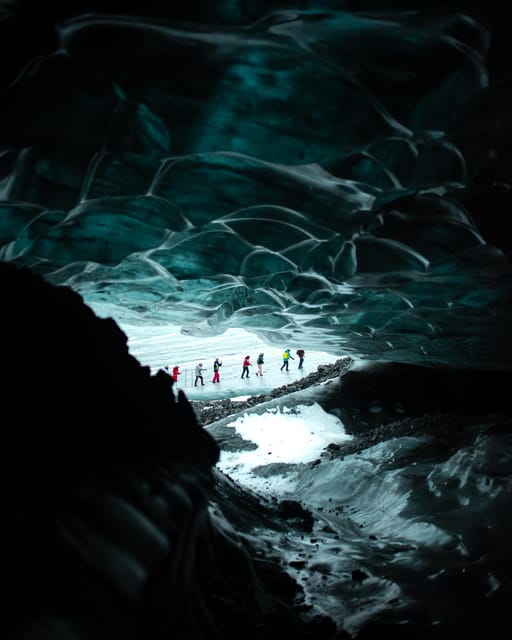
Other ice caves we crawled into, natural and man made
Why Vatnajökull Blue Ice Caves Feel Like Another World
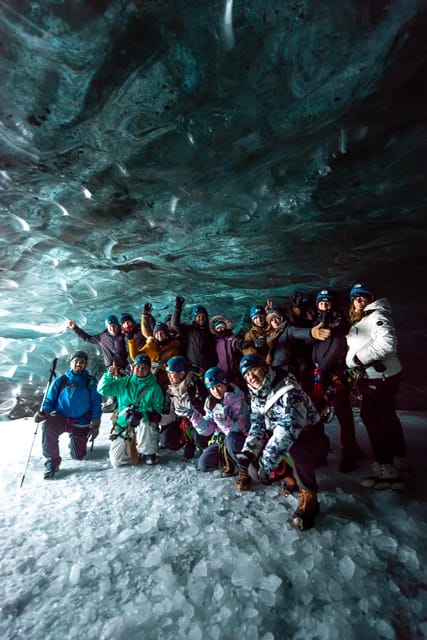
The best part of this tour is that it’s not a staged attraction. You’re stepping into 100% natural ice, formed by meltwater, pressure, and the seasons, and it keeps changing. Even if you’ve seen blue ice caves in pictures, the real shades and textures can surprise you.
What makes it click is the guide’s framing. On the drive toward Breiðamerkurjökull, you get explanations that connect the glacier to Iceland’s geology, including how ice caves form and why the access changes. That story matters once you’re inside, because you start noticing the patterns: how light spreads through ice, how different areas can look bluer or greener, and how black ice can show up depending on conditions.
You’ll also feel the “seasonal lottery” aspect in a good way. The provider aims to take you to the most beautiful cave available during your travel days, but you’re still touring a living system.
The Super-Jeep Pickup at Jökulsárlón: Start Smooth, Then Get Ready
The day starts at the meeting point by the cafeteria next to the ticket office at Jökulsárlón Glacier Lagoon. Right by the area with the super-jeeps, it’s easy to spot your group and get organized before the cold hits fully.
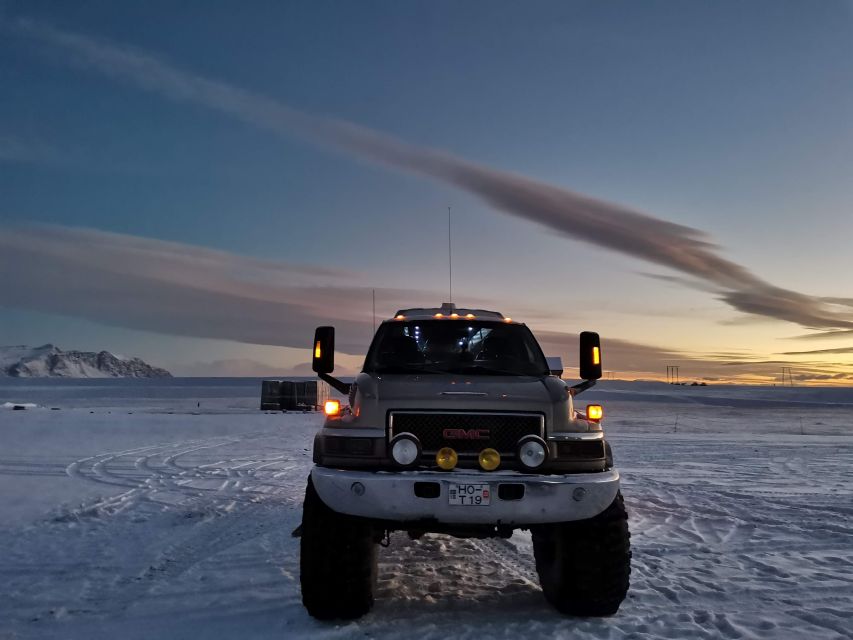
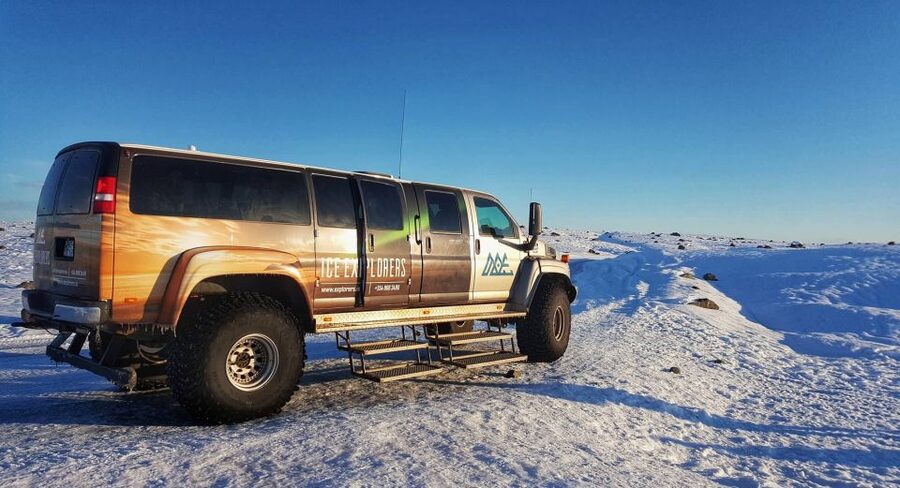
Then comes the first shift in tempo: you board one of Iceland’s large custom 4WD super jeeps and drive roughly 40 to 45 minutes. During this time, your guide isn’t just filling silence. They cover glacier formation, ice cave processes, volcano-related context, and local culture. It turns the ride into the start of the experience, not dead time.
This is also where you’ll get your first “how this will feel” reality check. Iceland weather can move fast, and the wind and visibility can change from the lagoon to the glacier area. It helps to be dressed and ready so you’re not scrambling once you arrive.
Breiðamerkurjökull Photo Stop and the Glacier Game Plan
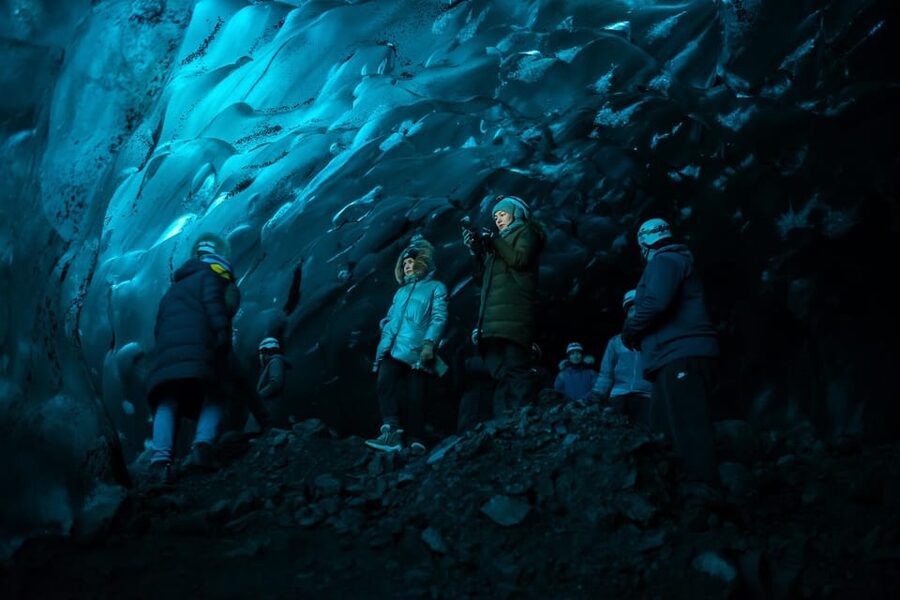
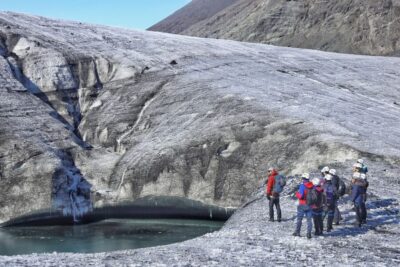
After the jeep drive, you reach Breiðamerkurjökull, a glacial tongue extending from Vatnajökull. You get a photo stop and guided sightseeing, plus the setup for the walk.
This is where the tour begins to get practical. Depending on that day’s ice cave access, you might be at the edge of the glacier and walk a shorter distance to reach the cave. Or you might hike 500 to 1000 m across glacier ice to get to the entrance. Either way, the total walking can land anywhere from about 1 to 4 km during the tour.
That range is normal here, and it’s the reason you should mentally pack flexibility. The cave site is constantly evolving, and the guides choose what’s accessible and safest that day. If you’re the type who gets stressed about “plan changes,” I’d treat this as part of the adventure rather than a problem.
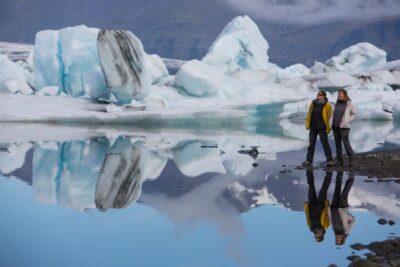
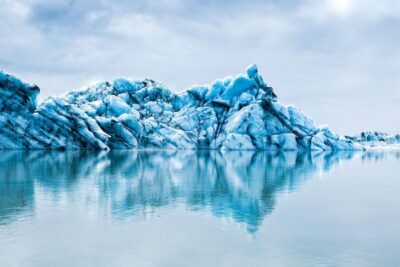
The lagoon and the black beach, run by other operators
- Jökulsárlón: Glacier Hike, Ice Cave, and Photoshoot Package★ 5.0 · 4 reviews
Inside the Ice Cave: Helmets On, Colors Up Close
Before entering, the guide does a safety briefing and arms you with gear: helmets and crampons or micro-spikes if needed. If conditions require extra security, you may also get a safety harness. This is one of the clearest values of this tour. You’re not trying to improvise walking on ice, and you’re not guessing at safe footing.
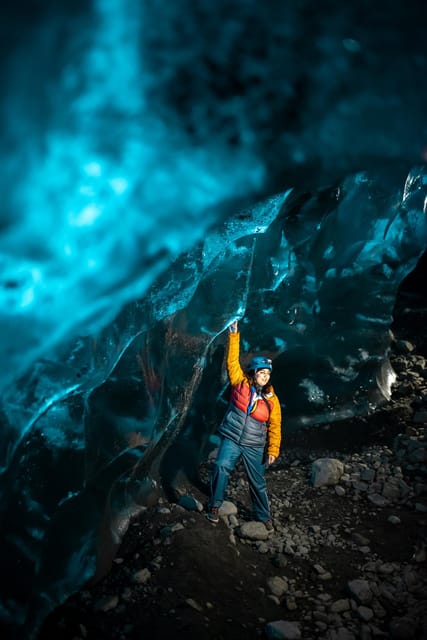
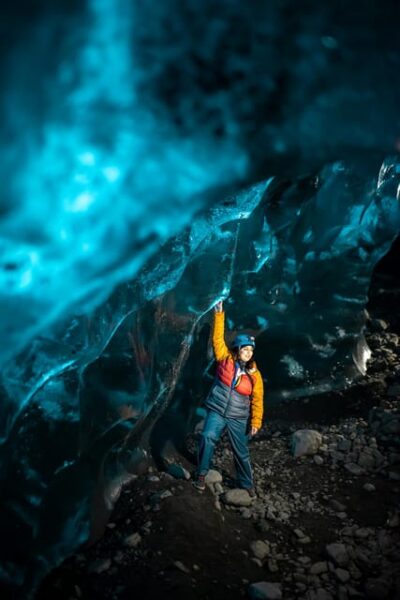
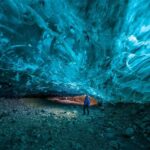
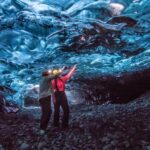
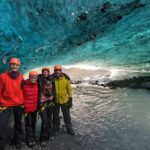
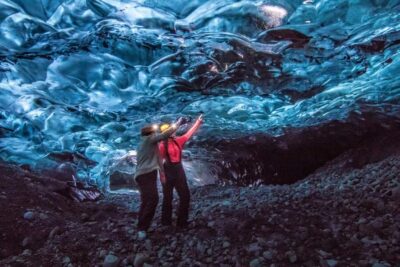
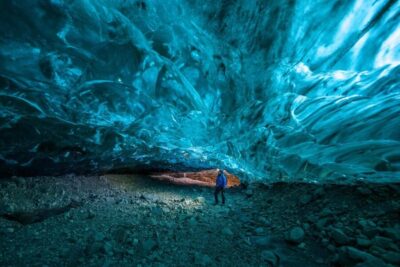
Once you’re inside, you’re looking at a natural “room” built by ice dynamics. Expect striking colors from brilliant blue to emerald green, and in some areas black ice can appear. The reason people rave about it is simple: these colors aren’t painted. They’re caused by how light moves through ice, impurities and structure, and the way meltwater reshapes the cave.
You’ll also notice the cave can have different chambers or pockets to explore. Guides manage your group movement inside, and the biggest time variable is how other groups are entering and exiting during that window. If you get a cave with a bit more spacing that day, you’ll likely feel like you have more room to linger and photograph.
Guides such as Evan, Javier, Guillermo, and Thomas are repeatedly praised for being professional and for making people feel safe. Even if you’re new to snow or ice walking, the guide’s job is to keep the line moving calmly and remind you how to place your feet.
Walking on the Glacier: Distance, Difficulty, and Cold Reality
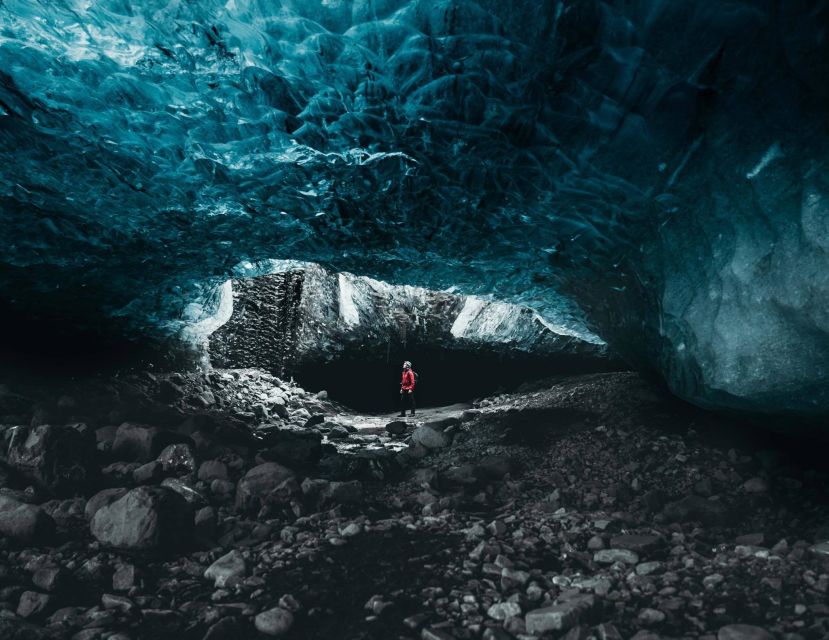
This isn’t a flat stroll. You’ll walk from parking toward the glacier and cave entrance, with the route described as about 1.5 km each way. On top of that, you may add glacier walking depending on where the ice cave sits that day.
What does that mean for you?
- You need sturdy hiking boots or walking boots with good grip.
- You need to feel comfortable walking in cold conditions.
- You should bring warm, preferably waterproof clothing.
If you show up underdressed, the provider offers rentals at the meeting point, including rain pants, rain jackets, and hiking boots. Do yourself a favor and use that option if you’re missing key gear, because being cold and wet makes walking harder and reduces enjoyment.
Also, the tour can run from about 2.5 hours to 3.5 hours depending on conditions. That variability is about safety and access, not poor scheduling.
What Your Guide Teaches You on the Way (and Why It Matters)
A lot of tours give you a few facts and send you off. This one tends to do better because the guide ties the science to what you’re about to experience.
On the drive, expect explanation about:
- how glaciers work and why they change
- how ice caves form and disappear over time
- how Iceland’s volcanic geology ties into the wider story of the region
- local cultural context, kept casual and understandable
Inside the cave, that information turns into something you can actually use. When you understand how cracks, melting patterns, and refreezing create cavities, the shapes make more sense. You start to see why the cave you visit might look different from last year’s famous photos.
The guides also help with practical moments. Many people mention that guides were patient, kept groups organized, and were willing to snap photos for you when needed. That matters because you’re wearing crampons, your hands may be busy, and it’s not always easy to take good photos safely.
Ice Cave Logistics That Affect Your Photos (Even When You Want “No Crowds”)
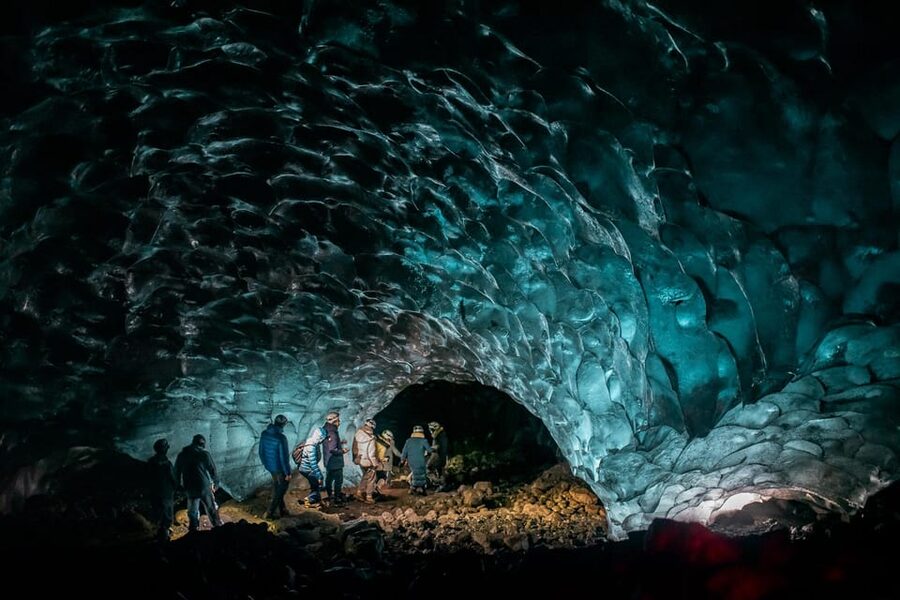
Caves inside glaciers can handle only so many people at a time. Even with small groups, you may have brief waits at chokepoints or while groups move in and out.
This is why timing can be a real advantage. Some visitors highlight the benefit of going early in the day to get into the cave first. If you have flexibility, it’s worth choosing a morning slot when available, because you’re more likely to avoid traffic inside the cave.
That said, don’t treat waits as a deal-breaker. Guides manage movement and safety, and the cave itself is still the main event.
Equipment and Clothing: The Difference Between Enjoying It and Surviving It
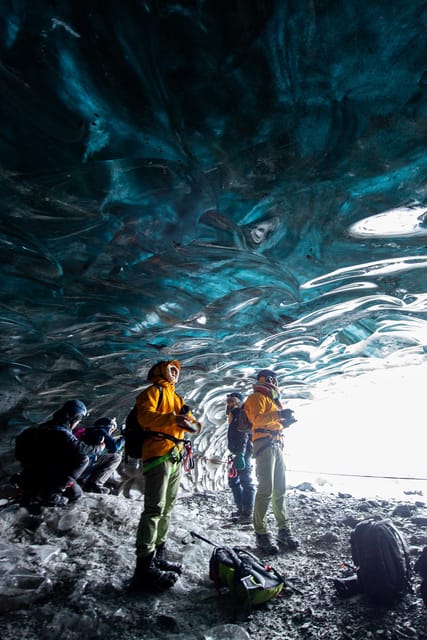
You don’t need fancy gear. You need correct gear for the conditions.
Included:
- transportation in a 4WD
- guide (English)
- helmets
- crampons or micro-spikes
- safety harness if needed
Not included:
- clothing
- shoes
- pickup or drop-off at your accommodation
So what should you bring?
- warm clothing
- travel insurance (recommended)
- a camera (cold can shorten battery life, so keep spares warm)
- hiking shoes or sturdy boots
What’s not allowed:
- open-toed shoes
- high-heeled shoes
- oversize luggage
The rental options at the meeting point are key. If you’re unsure, plan to rent rain gear and boots rather than guessing. Being dry and warm keeps your energy up and makes the walk feel shorter.
Who This Vatnajökull Tour Fits Best
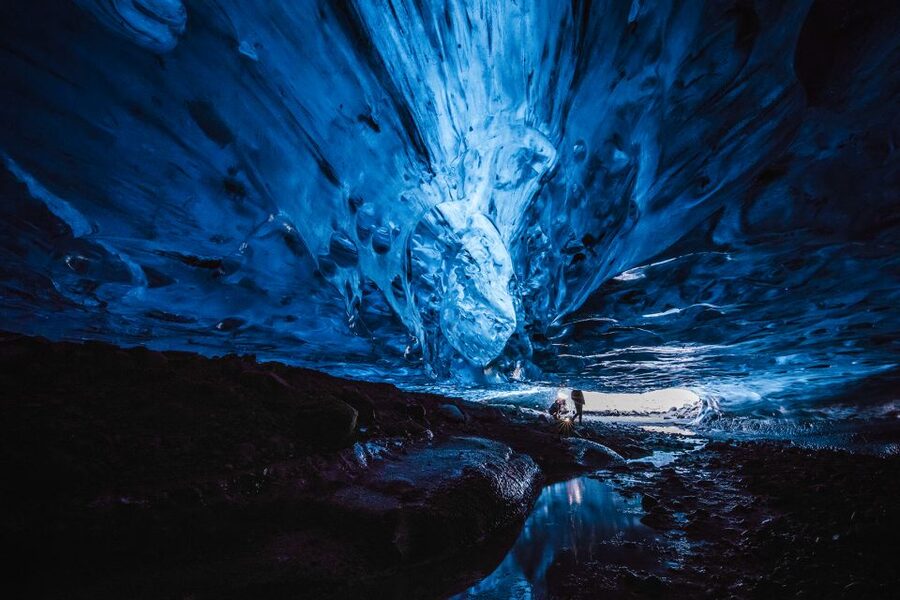
This tour is best for people who enjoy walking and can handle cold, uneven footing. It can involve up to several kilometers of total walking with glacier sections, plus time on icy surfaces with crampons.
It is not suitable for:
- children under 7
- people with mobility impairments
- wheelchair users
- people with heart problems
- pregnant women
- people under 135 cm (4 ft 4 in)
If you’re traveling as a couple, solo, or with older teens (your group would need to meet the age and height limits), a small group size of 14 is a big plus. It keeps the experience personal, and it helps the guide manage safety without turning it into a conveyor belt.
If you’re extremely concerned about walking distance, you should consider other options, especially the longer glacier-focused alternative, but that would change the plan and duration.
Price and Value: Is $165 Worth a 3-Hour Glacier Cave?
At $165 per person for about 3 hours, this isn’t a cheap add-on. But you are paying for a setup that costs money and time: 4WD access to the glacier, specialized ice footwear equipment, safety gear like helmets and traction, and a guide who manages risk on uneven terrain.
Where this tour becomes good value is in the ratio of effort to payoff. You’re not just getting a view from a viewpoint. You’re going inside a cave system made of ice, with time to experience the space and the colors.
Also, the cave location and walking route are not always fixed. The provider adjusts based on what’s accessible on the day. That means the tour price is buying access plus flexibility plus safety management, not a guaranteed “same cave, same day” promise.
If your Iceland trip includes glacier time anyway, this slot often feels like one of the highest-impact experiences per hour.
Booking With the Right Expectations: The Most Important Mindset
The most important thing to know before you go is that you are touring a moving target. The glacier changes constantly, so the cave you see might not match pictures taken months or years ago. The provider promises you’ll get the best accessible cave in season, but you should expect variety.
My advice: book it when it fits your schedule and you can meet the walking and cold-weather needs. Then plan to enjoy what’s in front of you, not what your phone wallpaper looks like.
One practical tip that came through strongly in guides’ approach: be early when you can. You’re more likely to get a smooth entry and more relaxed photo time inside.
Should You Book This Jökulsárlón to Vatnajökull Blue Ice Cave Tour?
Book it if you want the real thing: a natural ice cave inside Vatnajökull, reached with proper gear and guided safety on a small group schedule. If you’re comfortable dressing warm and walking a few kilometers on ice, this is the kind of experience that sticks to your brain because you can look around and actually feel the scale.
Pass on it if walking on uneven icy surfaces sounds like a bad time, or if you’re in a category listed as not suitable. In that case, the risk to comfort and safety is too high.
If you can do the basics well, this tour is a strong choice. The super-jeep ride makes access easier, the ice gear removes guesswork, and the cave itself delivers the main payoff: real colors, real depth, and a glacier that never stops changing.
FAQ
How long is the Jökulsárlón Vatnajökull Blue Ice Cave tour?
The tour is about 3 hours, but it can run from roughly 2.5 hours to 3.5 hours depending on the day’s conditions and group.
Where do I meet for the tour?
You meet next to the cafeteria at the ticket office at Jökulsárlón Glacier Lagoon, by the super-jeeps.
Do you provide transportation in a 4WD?
Yes. Transportation is included in a 4WD.
Is the tour in English?
Yes, the tour guide speaks English.
What safety gear is included?
The tour includes helmets and crampons or micro-spikes. A safety harness may also be provided if needed.
How much walking should I expect?
Walking distance varies. You might walk about 500 to 1000 m on the glacier to reach the cave, and total walking during the tour is described as 1 to 4 km. The walk from parking to the glacier and cave entrance is about 1.5 km each way.
What should I bring for clothing and shoes?
Bring warm clothing and sturdy hiking shoes or walking boots. Rain-appropriate and waterproof clothing is recommended.
Is there gear rental if I am not dressed well?
Yes. Rain pants, rain jackets, and hiking boots are available for rental at the meeting point. If you are not appropriately dressed, you may be required to rent gear or, in extreme cases, be denied participation for safety reasons.
Are there age or health limits?
Yes. It is not suitable for children under 7, pregnant women, people with mobility impairments, wheelchair users, people with heart problems, and people under 135 cm (4 ft 4 in).
What is your cancellation policy?
Free cancellation is available up to 24 hours in advance for a full refund.
Vatnajokull and Skaftafell, Keep Reading
Jokulsarlon and Diamond Beach, More Trips
More Ice Caves, Season by Season
More Jokulsarlon write-ups from our desk
- Iceland: Ice Cave Captured with Professional Photos
★ 4.8 · 31 reviews - From Jökulsárlón: Crystal Blue Ice Cave Super Jeep Tour
★ 4.5 · 540 reviews - Jökulsárlón: The Original Ice Cave Tour on Vatnajökull
★ 4.6 · 846 reviews - From Jökulsárlón: Vatnajökull Glacier Blue Ice Cave Tour
★ 4.6 · 866 reviews - Jökulsárlón: Crystal Ice Cave Super Jeep Tour
★ 4.1 · 1,681 reviews - Jökulsárlón: Vatnajökull Ice Cave Guided Tour
★ 4.2 · 2,046 reviews
Jokulsarlon Glacier Lagoon & Diamond Beach, compared.
 ★ 4.7Reykjavik: Jokulsarlon Glacier Lagoon Full-Day Guided TripFrom $2033,302 reviews
 ★ 4.2Jökulsárlón: Vatnajökull Ice Cave Guided TourFrom $1642,046 reviews
 ★ 4.1Jökulsárlón: Crystal Ice Cave Super Jeep TourFrom $1621,681 reviews
 ★ 4.5From Reykjavik: Jökulsárlón Glacier Lagoon and Diamond BeachFrom $2101,389 reviews
 ★ 4.5Reykjavik: South Coast, Diamond Beach, and Jökulsárlón TourFrom $1941,254 reviews
 ★ 4.7Jökulsárlón: Vatnajökull Glacier Guided Hiking TourFrom $150921 reviews
 ★ 4.6Jökulsárlón: The Original Ice Cave Tour on VatnajökullFrom $171846 reviews
 ★ 4.5South Coast, Diamond Beach and Glacier Lagoon Day TourFrom $240633 reviews
Browse the lists this tour appears in