
Review · VOLCANO & LAVA FIELD TOURS
From Reykjavik: Lava Caving Tour
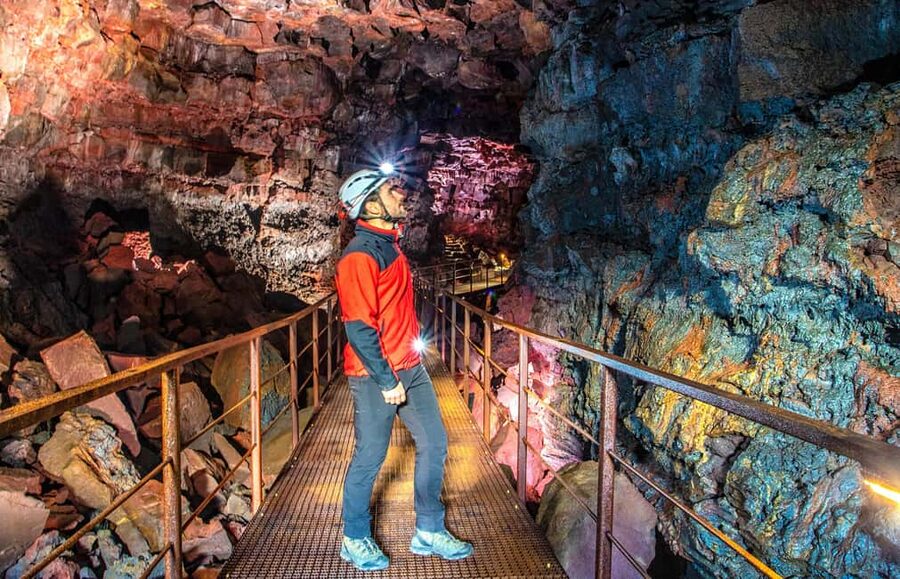
Crawl into Iceland’s lava time machine. This Reykjavik lava caving tour takes you into the Raufarhólshellir lava tunnel, where you’ll see volcanic leftovers up close and learn how lava tubes shape the dark world under Iceland’s fields. Two things I really like: the guide-led storytelling that points out real cave features, and the winter magic of icicles that form where cold air meets the rock.
The main drawback to plan for is the physical side. You should expect sections that require crawling and walking on icy, uneven steps, so steady footwear and a careful mindset matter.
In This Review
- Quick hits for your lava-cave day
- Raufarhólshellir lava tube: what you’re actually walking into
- The Reykjavik drive: scenic, practical, and time-saving
- Gear-up moment: why the equipment is part of the experience
- What happens at the cave entrance: briefing, then into the dark
- Walking the lava tunnel: formations, crawls, and real geology cues
- The lights-off moment: why they turn the cave dark on purpose
- Winter icicles versus year-round cave cool: dressing for cold rock
- Tour length and the “go farther” option
- Who this Iceland cave tour suits best
- Price and value: what $64 buys you in Iceland terms
- Small practical tips that make the tour smoother
- Provider note: Arctic Adventures and the guide-led format
- Should you book the Reykjavik lava caving tour?
Quick hits for your lava-cave day
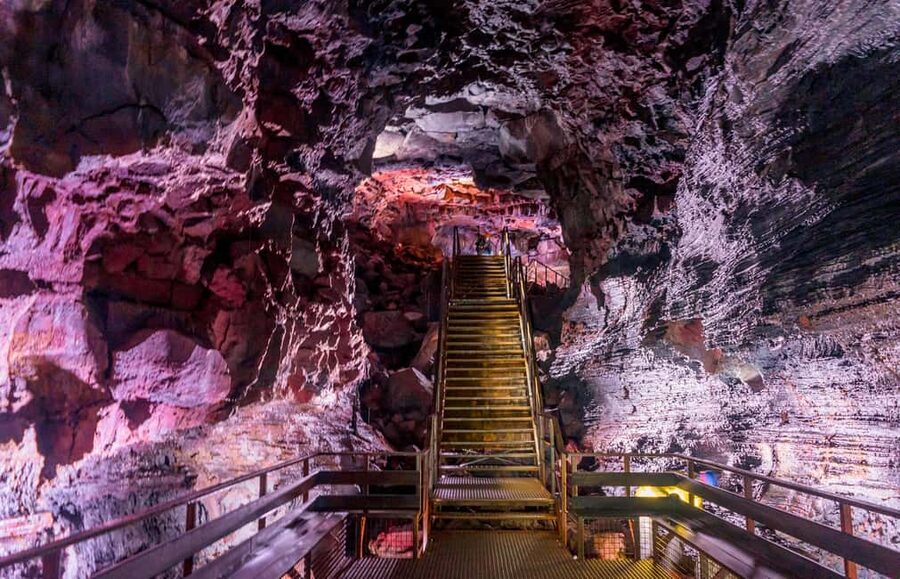
- Raufarhólshellir lava tunnel: a classic Iceland lava tube you can actually experience on foot
- Guides named Alex, Demetri, Mac, Franklin, and Benjamin often get highlighted for clear explanations and humor
- Cave “lights off” moment: darkness becomes part of the show, not just a detail
- Winter icicles: when temperatures cooperate, the cave turns into a frozen sculpture gallery
- Gear and safety support: helmets and cave lights are part of the package, plus a briefing before you go in
Craters, tunnels and eruption sites we have walked
Raufarhólshellir lava tube: what you’re actually walking into
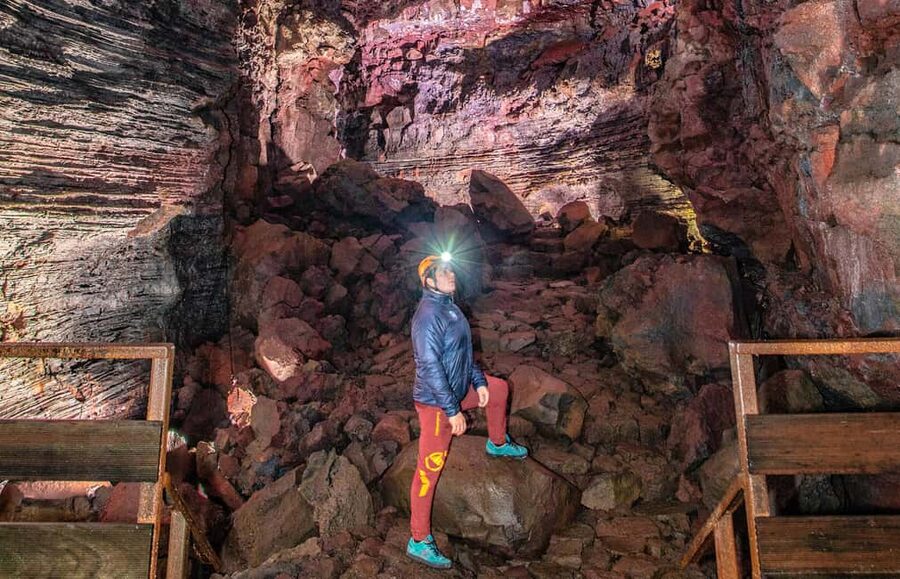
A lava tube is what remains after a volcanic eruption once produced flowing lava. As the outer surface cools, the molten interior can keep moving like a hot pipeline. Eventually, the lava drains away, leaving a hollow corridor behind. That’s why these tunnels feel both simple and eerie at the same time: it’s “just rock,” but it’s rock with a story written in layers of cooling and collapse.
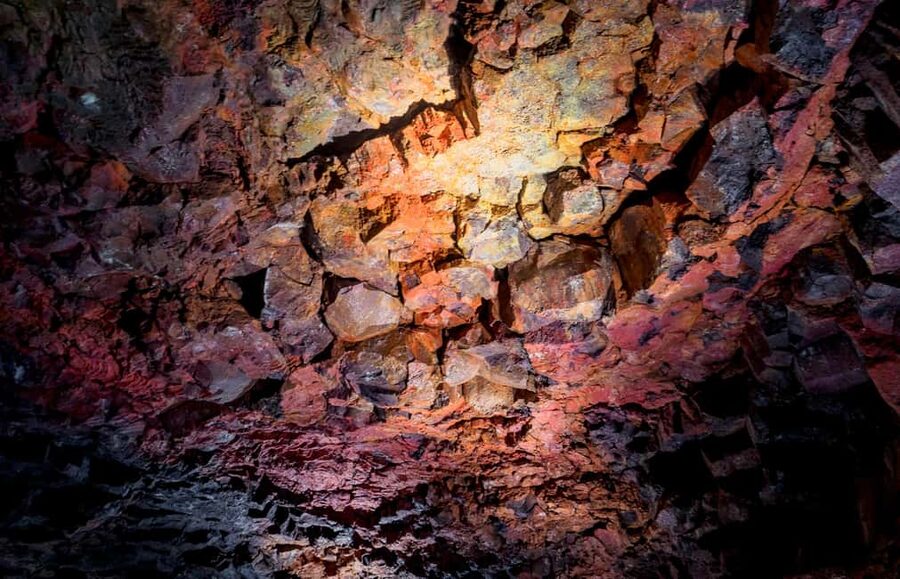
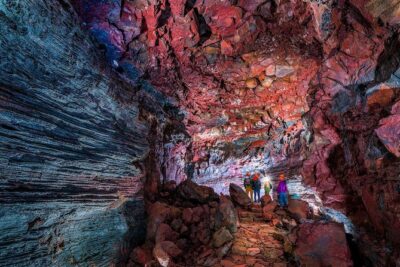
On this tour, you’re not just peeking at a crack in the earth. You move through the Raufarhólshellir cave system and see how that process created the shapes you notice immediately, like the curved ceilings, floor textures, and strange ridges and formations. The best part is that the guide doesn’t treat the cave like a museum display. You’ll get explanations that connect the visible formations to how lava moves and hardens.
The Reykjavik drive: scenic, practical, and time-saving
You start in Reykjavik, and the tour handles the big logistical win: transportation. Depending on the option you choose, you can get pickup from selected Reykjavik points, and if you select it, you may have Wi-Fi onboard during the drive.
That drive matters more than people think. Iceland traffic and weather can be unpredictable, but having a scheduled departure with a driver keeps the day simple. Also, a scenic drive gives you a chance to get your bearings before you go underground, which helps when you’re about to trade daylight for headlamps.
For timing, plan for a few hours total, since the tour duration varies (it’s listed as 1 to 3 hours). In practice, you’re looking at pickup, the scenic ride to the cave, gear up, the guided walk in the tunnel, then the return back to the meeting point.
Gear-up moment: why the equipment is part of the experience
Caving in Iceland is not hiking in nice weather. It’s colder, darker, and the ground can be slippery. That’s why the tour includes caving gear and a certified guide. You’ll get equipped before going into the tunnel, and the safety briefing sets the rules for how to move through tight sections.
From what I see people emphasize, the cave setup usually includes:
- a helmet for protection
- a light so you can see what your guide is pointing out
- gear that helps you stay comfortable and steady on rock
Even if you’re a confident hiker, treat this as a different sport. The cave can involve crawling, and you’ll want to keep your hands free and your footing calm. The guide’s job is to make the route feel manageable, not to rush you.
Underground again. The other tunnels and caves
- The Lava Tunnel Tour – Raufarhólshellir★ 5.0 · 2,373 reviews
- Reykjavik: Snæfellsnes Day Trip with Vatnshellir Lava Cave★ 4.7 · 1,108 reviews
- From Reykjavik: Raufarhólshellir Lava Tunnel by Bus★ 4.6 · 793 reviews
- From Reykjavik: Lava Caving Tour★ 4.7 · 585 reviews
- The Lava Tunnel Tour with Transfer from Reykjavik★ 4.5 · 435 reviews
What happens at the cave entrance: briefing, then into the dark
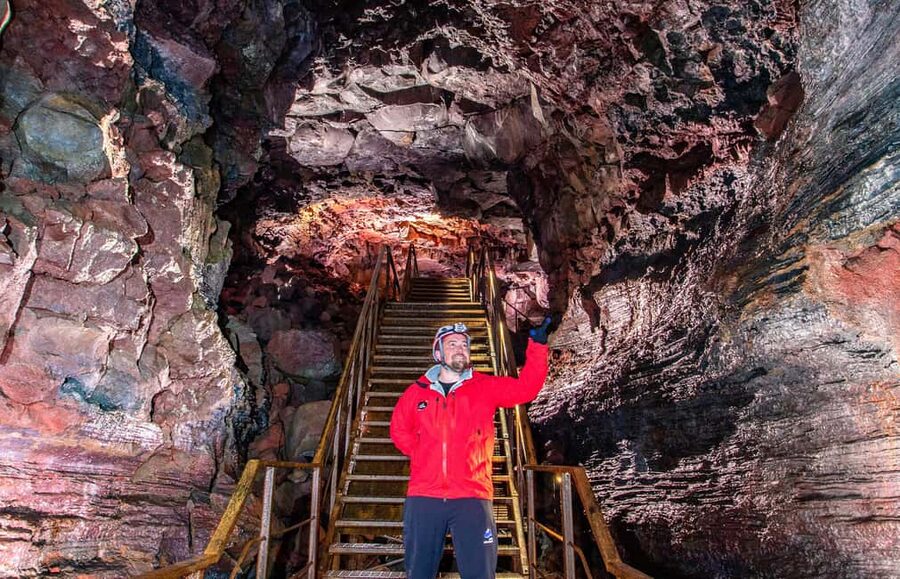
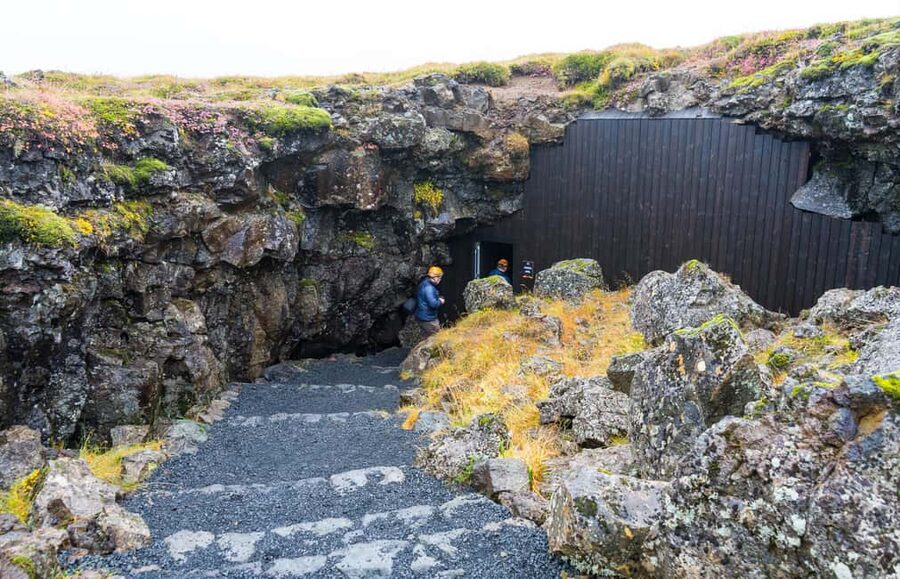
When you arrive, you’re going from open air into a space that changes your whole sense of scale. The entrance isn’t a long trek from the parking area, so you’re not wasting your energy just getting there. You do want to arrive early, at least 15 minutes before the activity starts, so you can check in, get your gear, and stay on schedule.
Next comes the safety briefing. This is where you learn how to handle the uneven steps, where to place your hands, and how the guide wants you to move when the route narrows. If you like rules, you’ll appreciate it. If you hate being told what to do, don’t worry, the tone is practical, and it helps keep the group moving smoothly.
Then it’s simple: you go in.
Walking the lava tunnel: formations, crawls, and real geology cues
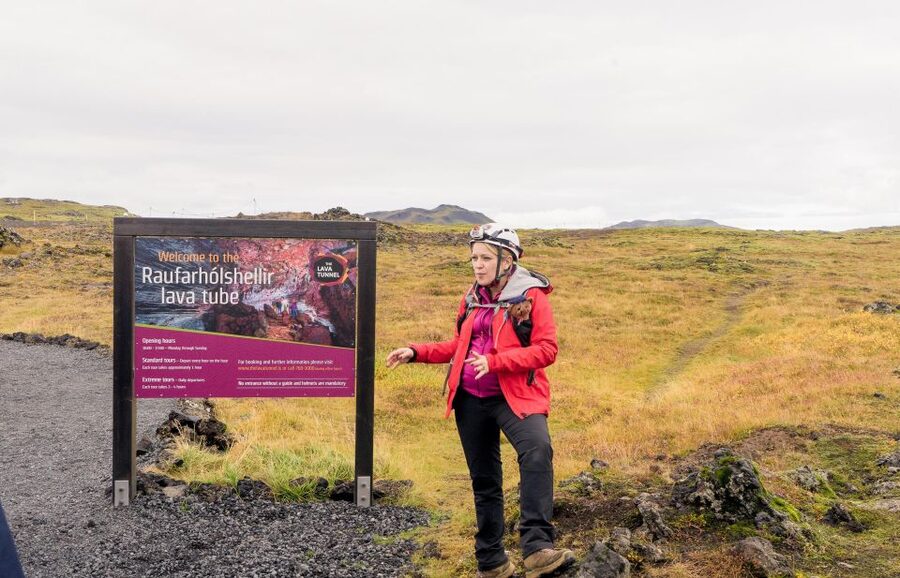
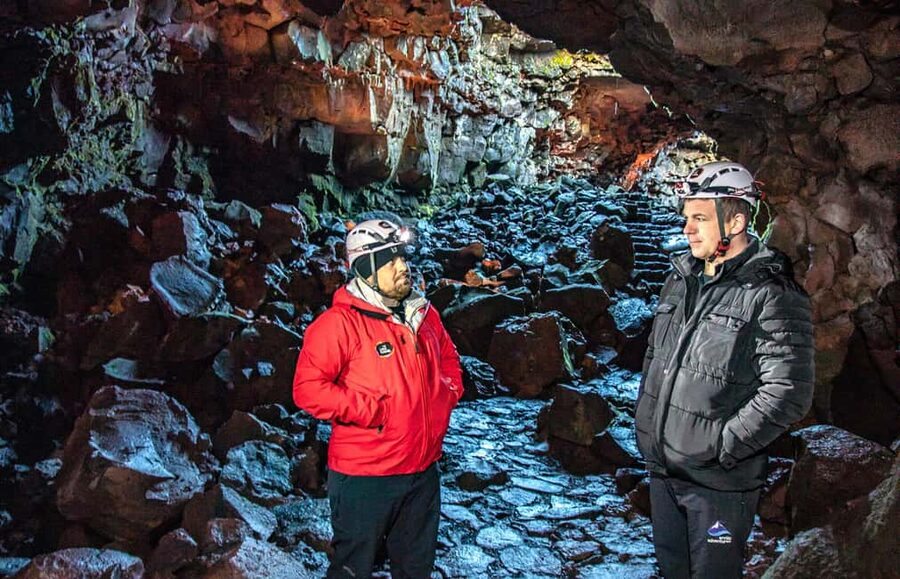
Once you’re underground, the tour focuses on a guided walk through typical lava-tube features. This is where the experience earns its keep. The cave can be dark enough that your eyes need help, and that’s exactly what the guide provides by pointing out formations you’d miss on your own.
You can expect:
- to crawl or duck in tighter parts of the passage
- to walk on uneven, sometimes icy rock and steps
- to see the results of volcanic activity as physical shapes, not just a diagram
People often rave about the guide explanations, and you can see why. It’s not just facts, it’s the connection between what you see and what it means. The guide talks about how the tunnel formed and how the cave’s shapes relate to lava movement and cooling.
There’s also a time component you’ll appreciate. The group isn’t meant to feel like a sprint. You should have chances to look around and take photos, and the guide sets the pace so you don’t feel rushed.
The lights-off moment: why they turn the cave dark on purpose
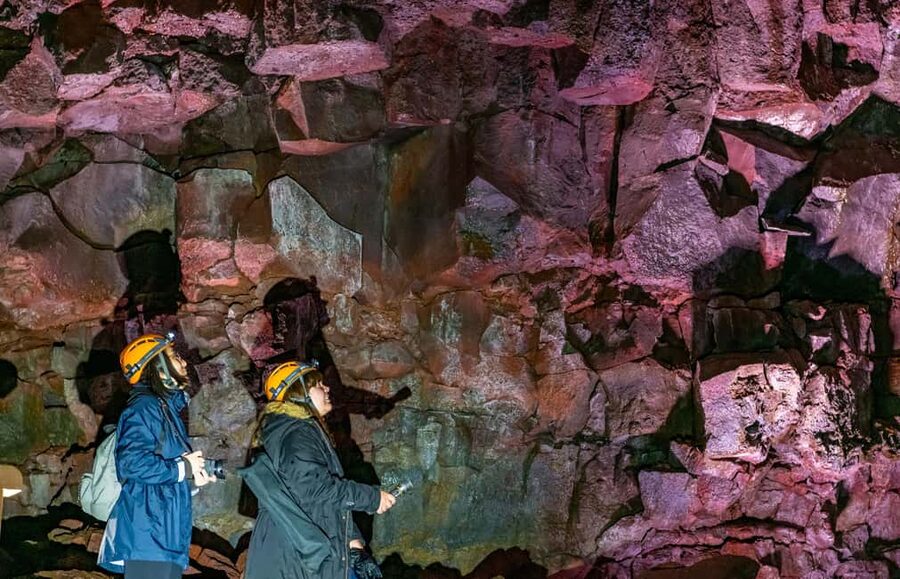
One of the most memorable parts is when the cave lights are turned off. This is a sensory trick that makes the darkness real, not theatrical. When everything goes black, you understand how cave life works: you can’t rely on daylight cues, so the tunnel becomes a different world.
It also helps you appreciate the headlamp lighting you used just minutes before. With the lights back on, the rock textures jump out, and the formations look sharper and more dramatic.
If you’re the type who gets nervous in the dark, this moment is still worth considering. It’s guided, structured, and designed to feel safe while showing you the environment as it truly is.
Winter icicles versus year-round cave cool: dressing for cold rock
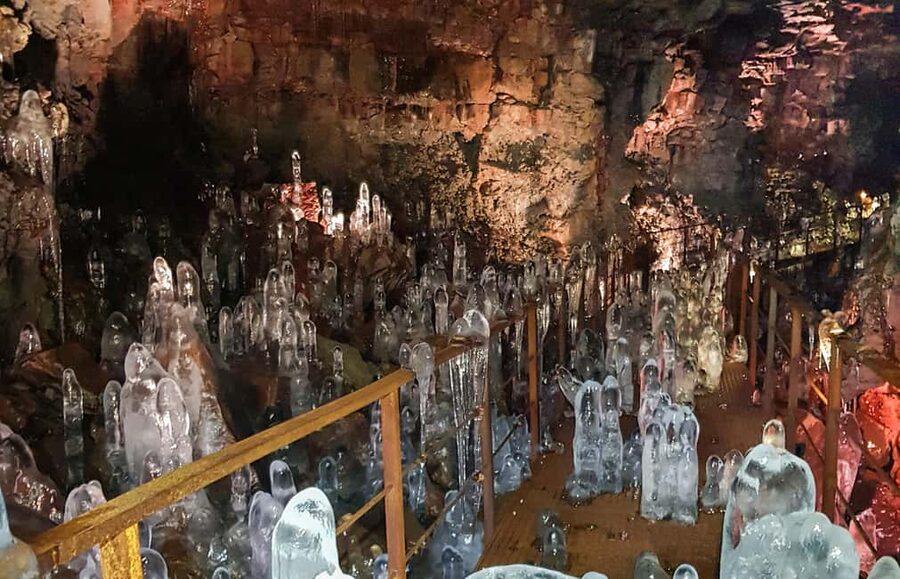
If you’re visiting in winter, the cave can be filled with glistening icicles. That effect happens when cold conditions encourage water to freeze in the cave. It’s visually striking and it turns a volcanic tube into something closer to a winter sculpture park.
Even in non-winter months, the cave stays chilly because underground temperatures don’t swing like the outside air. In one shared experience, people noted about 4 degrees Celsius in August, which is a big clue that you should dress for cold even when the day outside feels mild.
So yes, the clothing list matters. The tour recommends:
- warm outdoor clothing
- a waterproof jacket and waterproof pants
- head-wear
- gloves
- good hiking shoes
- lunch
If you forget gloves, you’ll feel it. If your shoes are slippery or worn out, you’ll feel it faster.
Tour length and the “go farther” option
The tour is listed as 1 to 3 hours, and starting times vary by availability. That range is your hint that there can be different versions of the cave experience.
Some guides offer a regular route that keeps things more manageable, while a longer, more advanced option can go farther into the cave. If your goal is maximum tunnel time and you’re comfortable with extra crawling and uneven sections, it’s worth choosing the longer option if it’s available during your dates.
The practical takeaway: don’t treat the duration as “plus or minus.” Treat it as how deep you’ll go and how long you’ll spend on cave passages.
Who this Iceland cave tour suits best
This is a strong fit if you:
- love geology and want a hands-on way to understand volcanic landforms
- want an activity that’s different from the usual Reykjavik day plans
- enjoy dark, atmospheric spaces and can follow simple safety instructions
It’s also a great first Iceland activity from Reykjavik. The drive is included, the gear is included, and you don’t need to plan a complex route of your own before you even get started.
You should think twice if you:
- dislike crawling or tight spaces
- have trouble with slippery steps
- are traveling with very young kids, since it’s not suitable for children under 6
Price and value: what $64 buys you in Iceland terms
At about $64 per person, this is not a “cheap and cheerful” activity. It’s also not a pricey private expedition. The value comes from what’s packaged together.
You’re paying for:
- transportation from Reykjavik (pickup optional, and a drive to the cave is part of the experience)
- certified guiding in the cave
- caving gear so you can focus on the experience rather than improvising equipment
- a structured visit that includes the best moments, like the guided feature spotting and the lights-off darkness experience
In other words, the price covers safety, instruction, and the logistics that can make small adventures feel painless. If you were to self-arrange a cave visit without gear or a guide, you’d lose the whole point, and it would likely cost more in time and effort.
Small practical tips that make the tour smoother
These are the small things I’d actually plan around if you want an easy-going cave experience.
- Bring lunch, since food and drinks are not included.
- Wear waterproof pants. Even if the cave floor looks just “rocky,” you’ll be moving through a cold environment where comfort matters.
- Pack gloves and keep them accessible.
- If you want photos, plan to take them during the guided stops and the time window you get away from constant group movement.
- Use the guide’s cues. If they tell you where to step or when to pause, take it as part of the experience.
Provider note: Arctic Adventures and the guide-led format
The experience provider is Arctic Adventures. What you feel in the design is a classic guided format: pickup or meeting, gear and safety briefing, guided walking through the tunnel, and then back out to the daylight.
This matters because lava caves reward the people who explain what you’re seeing. When the guide calls out features and explains how they formed, the cave becomes more than a dark hallway. It becomes a lesson you can experience with your own senses.
Should you book the Reykjavik lava caving tour?
If you want a hands-on geology moment that fits nicely into a short stay, I’d book it. It’s built for people who want something real and local, not a generic “see a cave” stop. The guided explanations, the gear, the crawl-and-walk route, and the lights-off experience are the big reasons it works.
I’d skip or switch to a different option if you know you struggle with icy footing or you strongly dislike crawling in confined spaces. Iceland caves are not for “I’ll just tough it out” confidence. You need steady footing and a calm approach.
Otherwise, this is a smart use of a Reykjavik day: simple to organize, high on wow-factor, and genuinely tied to Iceland’s volcanic identity.
More Tour Reviews in Reykjavik


More Caves Below the Surface
More Volcano Ground to Cover

More Reykjavik write-ups from our desk
- Private Transfer from Reykjavik to Reykjavik Airport KEF by Sedan
★ 5.0 · 3 reviews - Northern Lights in Mini Bus, Photos, Hot Cocoa and Pastries
★ 5.0 · 3 reviews - Exclusive Westman Islands Adventure – A Private Day Tour
★ 5.0 · 3 reviews - Private South Coast tour with Glacier walk
★ 5.0 · 3 reviews - Borgarfjörður
★ 4.5 · 3 reviews - SOUTH COAST : The Discovery
★ 5.0 · 3 reviews
Volcano & Lava Field Tours, compared.
 ★ 4.8Reykjavik: Golden Circle Full-Day Tour with Kerid CraterFrom $8224,485 reviews
 ★ 5.0Small-Group Golden Circle, Blue Lagoon with Ticket & Kerid CraterFrom $2495,631 reviews
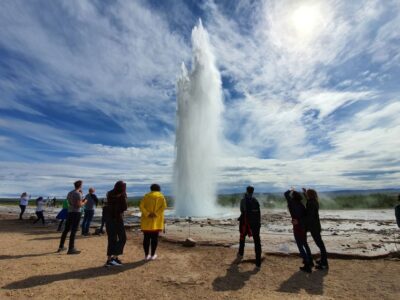 ★ 4.9Reykjavik: Golden Circle, Kerid Crater, & Blue Lagoon TourFrom $2434,351 reviews
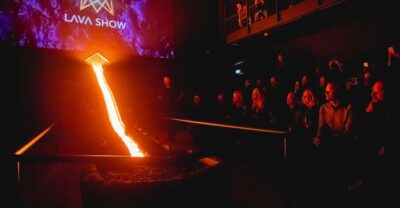 ★ 4.8Reykjavik: LAVA SHOW – Immersive Experience Entry TicketFrom $543,360 reviews
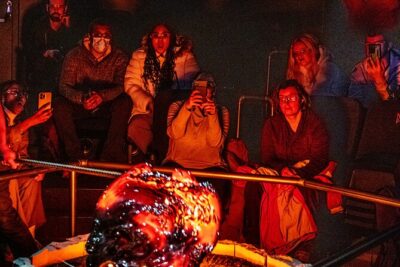 ★ 5.0Lava Show Reykjavik Admission Ticket – Optional Premium UpgradeFrom $543,278 reviews
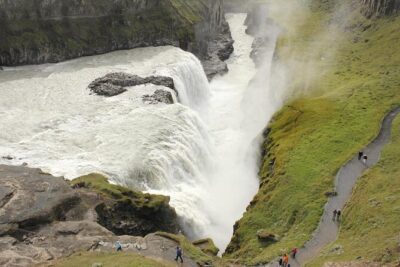 ★ 4.5Golden Circle with Kerid Volcanic Crater Day Tour from ReykjavikFrom $852,826 reviews
 ★ 4.8Reykjavik: Red Lava Horse Riding TourFrom $1422,383 reviews
 ★ 5.0The Lava Tunnel Tour – RaufarhólshellirFrom $742,373 reviews
Browse the lists this tour appears in