
Review · VOLCANO & LAVA FIELD TOURS
Iceland Volcanic Eruption Area Helicopter Tour from Reykjavík
Want Iceland in one shot from the air? This helicopter tour pairs pilot geology insights with small-cabin, up-close volcanic views, and it is one of the easiest ways to see why Iceland is so restless. The main catch is the weather, which can change the route plan or cancel flights outright.
I also like the pace. In 35 to 45 minutes you get a real taste of two worlds, the Reykjanes Peninsula volcanic zone and aerial views over Reykjavík and Faxaflói Bay, without burning half your day. The experience is offered in English, and the flight stays intimate, with a maximum of 5 travelers.
One consideration before you hand over your budget: you are paying for the aircraft time and the access, not a guaranteed active lava show. Eruptions can be quiet on the day you fly, so go in ready to appreciate crater features, recent lava fields, and the geology story even if the volcano is not actively blasting at that exact moment.
In This Review
- Key Points to Know Before You Go
- Reykjavík Helicopter Time: What Makes This Fly-Over Worth the Price
- Where to Start: Glacier HeliACE FBO in Central Reykjavík
- Reykjanes Peninsula Volcanic Stop: Fresh Lava, Craters, and Real Tectonic Drama
- Reykjavík From Above and Faxaflói Bay: What You Can Actually Spot
- Expectations Check: Active Eruptions Are Not Guaranteed
- In the Air: Cabin Size, Seat Views, and Camera Strategy
- Weather Reality in Iceland: How Your Day Might Change
- Price and Value: What $592.82 Per Person Buys You
- Who Should Book This Helicopter Volcano Flight
- Should You Book This Reykjavík Volcano Helicopter Tour?
- FAQ
- How long is the helicopter tour?
- Where does the tour start and end?
- Is the tour offered in English?
- What is included in the price?
- Are food and drinks included?
- Is hotel pick-up or drop-off included?
- What is the maximum group size?
- Is there a weight limit?
- What happens if weather cancels the flight?
- How flexible is cancellation?
Key Points to Know Before You Go
- Small cabin, big views: Helicopter flights are set up for close sightlines, with about 5 to 6 seats.
- Two scenery hits in one: Reykjanes Peninsula geology plus aerial Reykjavík views over Faxaflói Bay.
- Pilot-led geology talk: You get explanations about what you are seeing, with pilots like Laura, Oliver, Robert, and Aleksander mentioned for strong commentary.
- Short time window: Expect about 35 to 45 minutes, so you want camera batteries charged and your plan simple.
- Weather can move things fast: Bad wind and conditions can lead to rescheduling or cancellation.
Craters, tunnels and eruption sites we have walked
Reykjavík Helicopter Time: What Makes This Fly-Over Worth the Price
Helicopters in Iceland can feel pricey, but this one has a clear value pitch: you are buying time in the air over places you simply cannot see up close from the ground. The flight is short, not a slow sightseeing bus day, so your money turns into real altitude, angle, and scale.
At $592.82 per person, it is not a “splurge once and forget it” purchase. You should treat it like a top-tier experience, then do the easy prep that makes the most of it. That means showing up calm, listening to your pilot’s safety and spotting tips, and using the flight to learn what you are actually looking at, not just collecting pictures.
The other value win is flexibility. Multiple departure times help you match the flight to the day’s weather windows. If you are building your Iceland schedule, I like the idea of putting this earlier rather than later, because conditions are unpredictable and reschedules do happen.
Where to Start: Glacier HeliACE FBO in Central Reykjavík
Your meeting point is Glacier HeliACE FBO Reykjavík at Nauthólsvegur 101, 105 Reykjavík. The good news is that it is near public transportation, so you are not forced into expensive private transfers just to get to the heliport.
Plan to arrive early enough that you are not sprinting through parking lots in windy Iceland weather. Even though the tour itself is about 35 to 45 minutes, the real key is calm arrival, quick check-in, and getting settled before engine start.
Bring a warm layer. Helicopters feel chilly at the edges, even on a decent day. Also, if you are prone to camera fumbles under stress, practice popping your lens cap on and off at home. In the air, you will only get so many chances.
Reykjanes Peninsula Volcanic Stop: Fresh Lava, Craters, and Real Tectonic Drama
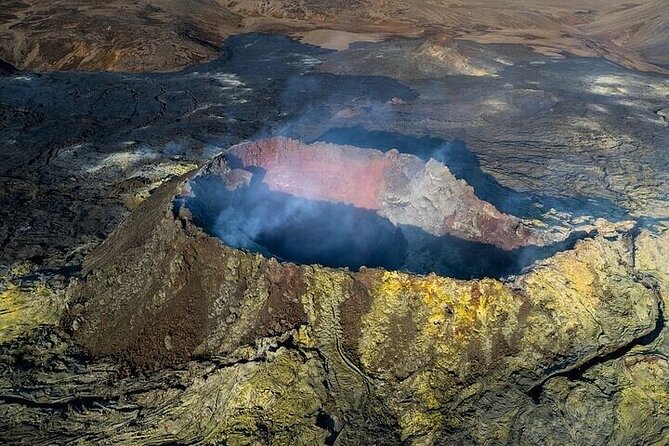
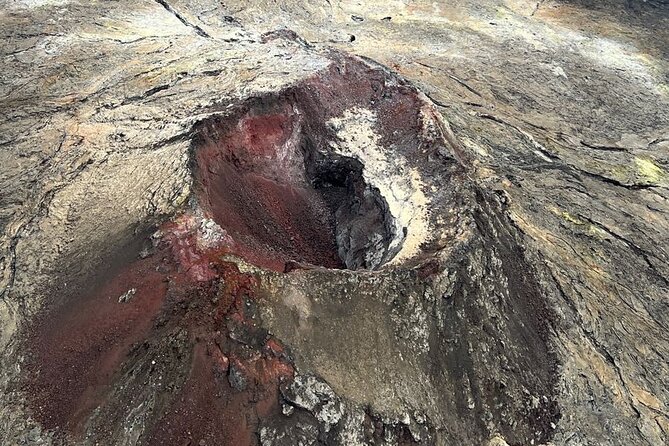
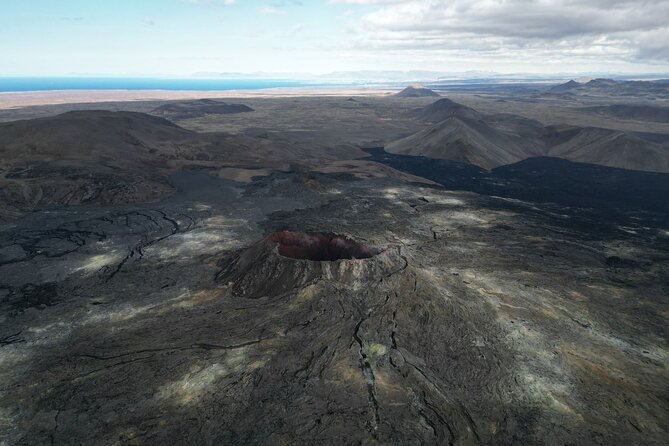
The Reykjanes Peninsula stop is the reason most people pay for this tour. It is one of Iceland’s most geologically active regions, close to Reykjavík, and it has seen eruptions since 2021. From the air, you get a rare bird’s-eye lesson in how fissures, lava fields, and volcanic terrain work together.
The tour description highlights the area’s intense seismic activity, with over 50,000 earthquakes cited in recent years. Even if you are not staring at quake counts, that number tells you the environment is active and evolving. That is the vibe you want when you book a volcano flight: you are not just seeing old rocks, you are seeing a living system.
Here is what tends to make this part special in practice. Pilots provide context, not just a running commentary. People specifically call out pilots like Aleksander and Laura for explaining eruption types and what time frames different features likely relate to. You will probably find yourself looking at a patch of dark lava and then, a minute later, seeing it as something that formed under pressure, flow direction, and cooling patterns.
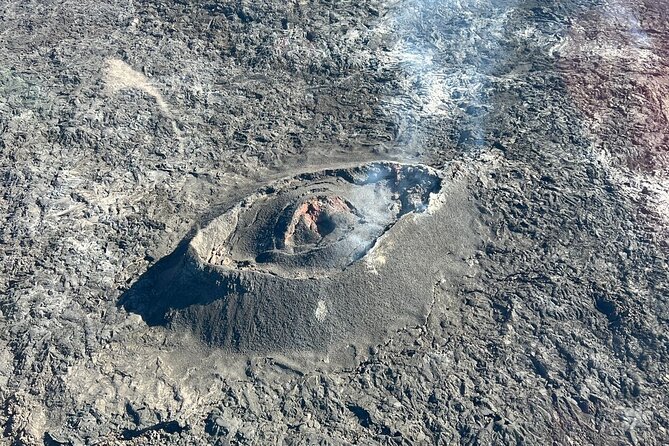
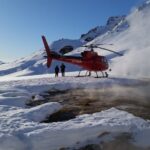
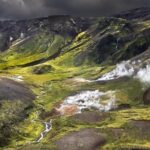
One drawback to keep in your head: you may not see dramatic active lava on your day. Several reports point out that eruptions can stop or slow down shortly before a flight. Still, you can often appreciate crater structures, smoking areas, and the impact of lava flows on the terrain.
Seen from above. Other rotor and fixed wing flights
- From Reykjavik: New Volcanic Area Helicopter Tour★ 4.8 · 500 reviews
- Helicopter Tour with Mountain Summit Landing from Reykjavik★ 5.0 · 243 reviews
- Iceland Volcanic Eruption Area Helicopter Tour from Reykjavík★ 4.5 · 196 reviews
- Helicopter Flight Over Geothermal Landscapes from Reykjavik★ 5.0 · 154 reviews
- Reykjavik: Panoramic Helicopter Flight with Summit Landing★ 4.4 · 86 reviews
Reykjavík From Above and Faxaflói Bay: What You Can Actually Spot
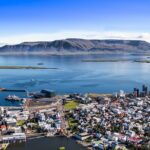
The second big piece of the experience is the aerial view of Reykjavík. From the helicopter you see how the colorful city grid meets the cold blues of Faxaflói Bay. It is a simple contrast, city life against Arctic coastline, and it is hard to recreate from any walking viewpoint.
What makes these views useful is the scale. From street level, Reykjavík feels like a charming capital you can navigate on foot. From the air, you start to understand how close the ocean is, how the coastline curves, and how the city’s shape relates to the surrounding geology and wind exposure.
If you are a photographer, this is your chance to switch from “volcano mode” to “pattern mode.” City rooftops create repeatable shapes, and the shoreline gives you a long horizon line for framing. If clouds roll in, you may lose some detail, but you can still catch the sweep of water and the city edge.
Expectations Check: Active Eruptions Are Not Guaranteed
This is important. You are flying in a volcanic zone, and nature sets the rules. The tour experience requires good weather, and it also depends on what is happening volcanically at that moment.
A lot of the best moments in this kind of flight come from learning to look past the missing headline. Even when lava is not actively flowing, you can still see recent lava fields, crater areas, and signs of ongoing volcanic activity like heat or venting. In reports from the field, people were still amazed by close crater views and the way pilots helped them connect current scenery to earlier eruption timelines.
Sometimes the flight can include landing on a lava field and stepping out briefly, with enough time for a short walk and photos. But do not plan your day around that as a certainty. Think of it as a bonus if conditions allow. Your real goal is to see the volcanic system at close range and understand it, not to demand a movie-like lava stream at all costs.
In the Air: Cabin Size, Seat Views, and Camera Strategy
This helicopter tour is built for small groups. You are looking at a maximum of 5 travelers, and the helicopter setup is described as having only 5 to 6 seats. That is what makes it feel personal. You are not trying to crane your neck around strangers, and pilots can manage sightlines more easily.
Seat positioning matters. Even with a small cabin, one side may get a better view than the other depending on wind and how the pilot flies the route. If you care about photos, arrive with a calm focus: keep your lens ready and do not miss engine takeoff and turn moments. Reviews commonly praise pilots for flying in ways that try to give everyone a fair look, including some “looping” styles around the volcano area so more passengers can see the same feature.
For camera planning, I suggest two simple rules:
- Bring a lens you can actually use one-handed with gloves or cold fingers.
- Charge everything before you leave your hotel, because Reykjavík power cords can be handy but charging time is still time.
Weight is also a real part of the safety math. The tour data lists a total passenger weight of 243 lbs. If you are near or above that, check before booking so your flight is not delayed by a last-minute issue.
Weather Reality in Iceland: How Your Day Might Change
Let’s be honest. Iceland weather is not politely consistent. The experience requires good weather, which means winds and visibility can trigger changes. When that happens, you may be offered a different date rather than losing the trip entirely, or you may receive a refund if the flight cannot be safely operated.
This is why I like the suggestion to place this activity earlier in your trip. If you schedule it on your last day, you have fewer chances to absorb a reschedule. One of the more reassuring patterns in feedback is how smoothly operators handled cancellations due to bad weather, including making calls promptly and offering either rescheduling or a refund.
A practical mindset helps: treat the volcano flight like a weather-dependent window, not a guaranteed calendar event. If you show up flexible, you are more likely to enjoy whatever version of the tour day Iceland gives you.
Price and Value: What $592.82 Per Person Buys You
For $592.82 per person, you are not paying for a long sightseeing checklist. You are paying for aircraft access to active volcanic terrain plus aerial views over the capital. That access is the expensive part, and it is exactly the part that changes what you can see.
What’s included is straightforward: the helicopter tour of the new volcanic area in Iceland and a fuel surcharge. What is not included is just as important for planning: food and drinks, plus hotel pick-up and drop off.
So how do you judge value without guessing? Add up what you would otherwise spend to reach remote viewpoints plus the time cost plus the lack of vantage. A helicopter flight compresses it. In 35 to 45 minutes, you gain angles and scale that would take an entire day of driving and still not match the perspective.
If you are deciding between a volcano tour by car versus this, think of it this way. Ground tours teach you detail slowly. This one teaches you the “big picture” fast, and pilots often reinforce it with explanations that make features click.
Who Should Book This Helicopter Volcano Flight
I think this tour fits best if you love the natural world and you enjoy learning while you look. Photographers tend to get a lot out of it too, especially because you get both volcanic terrain and Reykjavík’s coastline in one flight.
It is also a good match for people who want a high-impact experience without a full day on the road. The duration is short, the group size is small, and the flight itself is a thrill factor that many first-time helicopter riders still found manageable.
If you get seasick easily or have strong anxiety about flying, consider that you are in the air briefly, not for hours. Reports do show people were nervous at first and still had a good time. Still, helicopter rides are personal, so only you can judge your comfort level.
Finally, go if you can afford it and you can be flexible with weather. If your schedule is locked, and you cannot move anything around, this kind of experience becomes a gamble.
Should You Book This Reykjavík Volcano Helicopter Tour?
Book it if you want a short, high-impact volcano experience with pilot-led geology talk, small-group comfort, and a chance to see Reykjanes Peninsula and Reykjavík from the air. Put it earlier in your trip so you have time to reschedule if the weather shuts the flight down.
Skip it if your budget cannot stretch, or if you need a guaranteed active lava show. The volcano can be quiet on your day, and the real magic is in the geology and the views, not in forcing one specific kind of eruption. If you go with that mindset, this flight can be one of your most memorable hours in Iceland.
FAQ
How long is the helicopter tour?
The tour runs about 35 to 45 minutes.
Where does the tour start and end?
It starts at Glacier HeliACE FBO Reykjavik, Nauthólsvegur 101, 105 Reykjavík, Iceland, and ends back at the same meeting point.
Is the tour offered in English?
Yes, the tour is offered in English.
What is included in the price?
The price includes the helicopter tour of the new volcanic area and a fuel surcharge.
Are food and drinks included?
No, food and drinks are not included.
Is hotel pick-up or drop-off included?
No, hotel pick-up and drop-off are not included.
What is the maximum group size?
The activity has a maximum of 5 travelers.
Is there a weight limit?
Yes. The total weight per passenger is listed as 243 lbs.
What happens if weather cancels the flight?
This experience requires good weather. If it is canceled due to poor weather, you will be offered a different date or a full refund.
How flexible is cancellation?
You can cancel for a full refund if you cancel up to 24 hours in advance of the experience’s start time.
More Tour Reviews in Reykjavik

Airborne Over Reykjavik, More Routes
More Volcano Ground to Cover

More Reykjavik write-ups from our desk
- Private Transfer from Reykjavik to Reykjavik Airport KEF by Sedan
★ 5.0 · 3 reviews - Northern Lights in Mini Bus, Photos, Hot Cocoa and Pastries
★ 5.0 · 3 reviews - Exclusive Westman Islands Adventure – A Private Day Tour
★ 5.0 · 3 reviews - Private South Coast tour with Glacier walk
★ 5.0 · 3 reviews - Borgarfjörður
★ 4.5 · 3 reviews - SOUTH COAST : The Discovery
★ 5.0 · 3 reviews
Volcano & Lava Field Tours, compared.
 ★ 4.8Reykjavik: Golden Circle Full-Day Tour with Kerid CraterFrom $8224,485 reviews
 ★ 5.0Small-Group Golden Circle, Blue Lagoon with Ticket & Kerid CraterFrom $2495,631 reviews
 ★ 4.9Reykjavik: Golden Circle, Kerid Crater, & Blue Lagoon TourFrom $2434,351 reviews
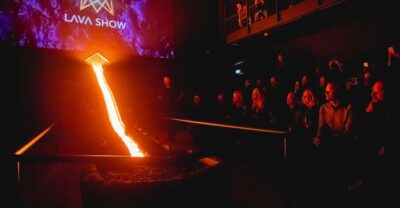 ★ 4.8Reykjavik: LAVA SHOW – Immersive Experience Entry TicketFrom $543,360 reviews
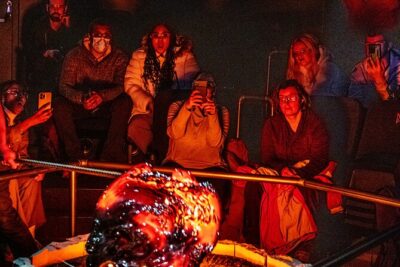 ★ 5.0Lava Show Reykjavik Admission Ticket – Optional Premium UpgradeFrom $543,278 reviews
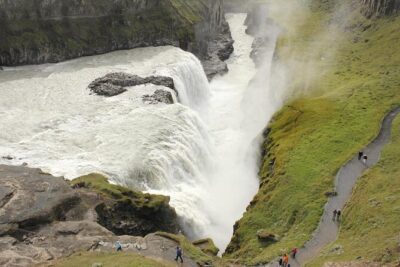 ★ 4.5Golden Circle with Kerid Volcanic Crater Day Tour from ReykjavikFrom $852,826 reviews
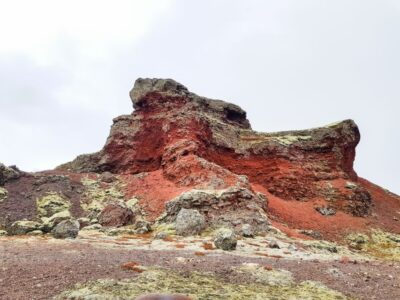 ★ 4.8Reykjavik: Red Lava Horse Riding TourFrom $1422,383 reviews
 ★ 5.0The Lava Tunnel Tour – RaufarhólshellirFrom $742,373 reviews
Browse the lists this tour appears in