
Review · PUFFIN WATCHING TOURS
Reykjavik: 1-Hour Puffin Watching Tour
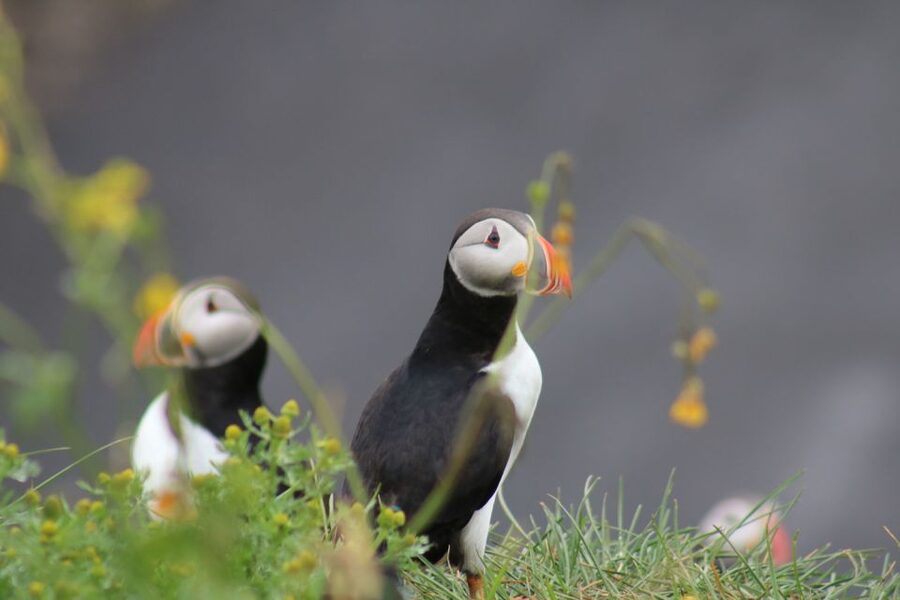
Puffins steal the show in Reykjavik. This 1-hour puffin watching tour takes you out from downtown and aims at the small islands where seabirds breed, with a naturalist guiding your eyes. I especially like the combination of up-close viewing opportunities and the comfort perks that make Iceland weather feel manageable.
You’ll still want to manage expectations on closeness. Puffins are small, and what you see and how near the boat can go can shift with tides and weather, so the experience can feel less intimate on tougher days.
In This Review
- Key things to know before you go
- Starting at Ægisgarður 5, right in the Reykjavík action
- How the timing really plays on the water
- Lundey, Engey, or Akurey: what changes when you change islands
- Puffins up close, without the big stress factor
- Binoculars and photography: the difference between spotting and seeing
- Warm gear, sea air, and the small comforts that prevent misery
- Other wildlife moments: seals and extra surprises
- Price and value: what you’re really paying for at $66
- Who this puffin cruise fits best
- Practical tips that make a difference on a windy day
- Should you book this Reykjavik puffin watching tour?
- FAQ
- Where do I check in for the puffin tour?
- How long is the tour?
- Where will the boat take me?
- Will I have binoculars?
- What warm clothing is provided?
- Are refreshments included?
- What types of birds might I see besides puffins?
- What should I bring and wear?
- Is the tour wheelchair accessible?
- What language is the tour guide?
Key things to know before you go
- You sail to Akurey, Engey, or Lundey for breeding-ground birdwatching, based on conditions
- Free onboard binoculars help you actually see puffins instead of just spotting moving dots
- Warm overalls, raincoats, and blankets keep you comfortable during the cold cruise
- A naturalist guide explains puffin behavior and what you’re looking at in real time
- Quiet, low-impact wildlife viewing is part of the plan, with the captain aiming to disturb as little as possible
Puffin colonies by boat and by buggy, other trips
Starting at Ægisgarður 5, right in the Reykjavík action
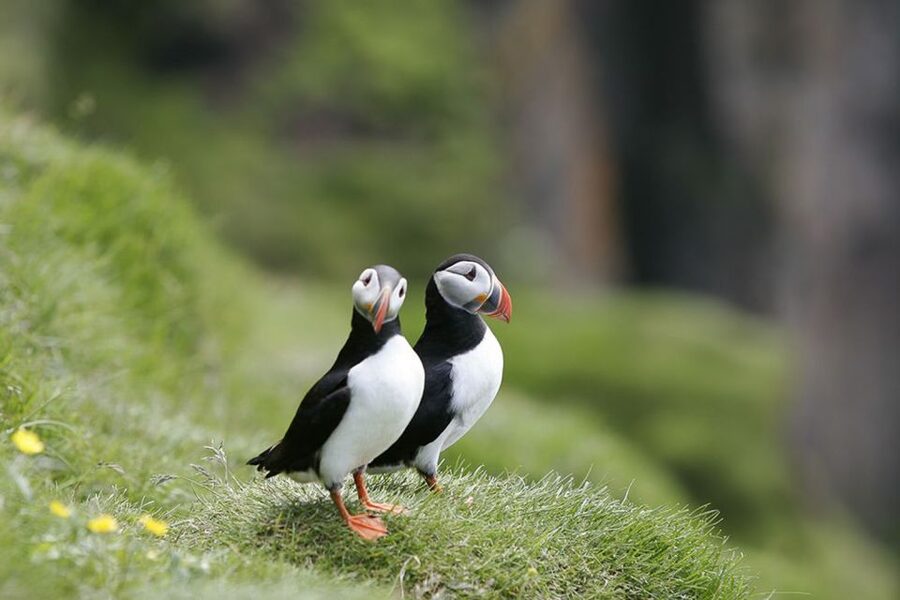
Most people think of puffins as a far-out day trip. This one is built for convenience. Check in at Elding’s ticket office at Ægisgarður 5, in central Reykjavík. From there, you’re close enough to walk around first, grab a coffee, and get your bearings fast before boarding.
If you have a bit of time, you can also hang around the Whale Watching Centre area. You’ll find videos, skeletons, info boards, and gift shopping, which is a nice way to pass a cold wait if the schedule lines up.
One practical tip: parking can be awkward in the center. I’d aim to arrive early so you’re not rushing in a city that can feel busy right up to departure.
How the timing really plays on the water
The tour is sold as a 1-hour experience, but what matters is how that hour breaks down once you’re moving. You’ll spend time sailing out, you’ll get a dedicated birdwatching window on the island side, and then you’ll cruise back.
In practice, expect the whole outing to feel closer to about 1.5 hours on the water when tides and routing come into play. Your viewing stop is typically around 30 minutes near the breeding areas, with extra time for transit.
This format is a big deal for value. You get the Iceland-coast boat experience, without committing to a half-day. It’s ideal if you’re on a tight itinerary, or if you just want one “wildlife hit” without turning your day into a logistics project.
Lundey, Engey, or Akurey: what changes when you change islands
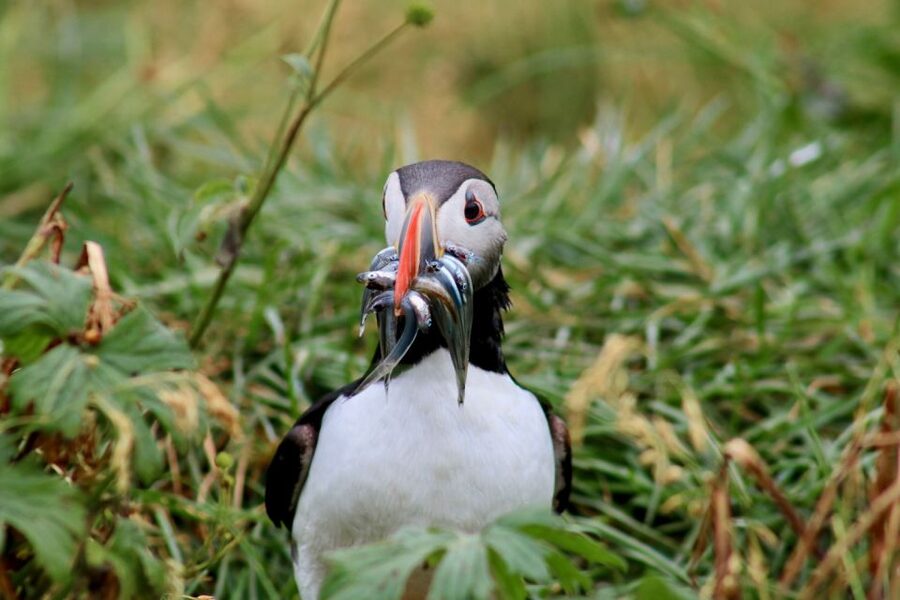
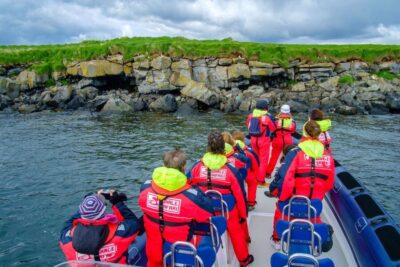
Your destination island is flexible. Depending on tides and weather, you may head to Lundey, Engey, or Akurey. These islands are known for dense seabird activity during the breeding season, and that’s why the cruise targets them instead of just orbiting the harbor.
The shores are rocky, and the captain’s job is to find the best spots for viewing puffins while keeping things respectful. On a good run, you’ll see puffins on land near burrows and also in the air and on the water.
And it’s not only puffins. You might also spot birds such as eider ducks, arctic terns, guillemots, cormorants, fulmars, geese, and oystercatchers. Even if the puffin action is hit-or-miss, the bigger seabird mix can keep the trip interesting.
Here’s the key consideration: how close the boat can get can depend on conditions. If you’re unlucky with tide timing, you might see plenty of birds but not feel the same “next to the rocks” intimacy people dream about.
Other Reykjavik outings that keep coming up in our notes
- Reykjavik: 1-Hour Puffin Watching Tour★ 4.5 · 305 reviews
- 1-Hour Helicopter Tour in Iceland: The Geothermal Tour★ 4.9 · 263 reviews
- 1-Hour Small Group Sightseeing Boat Tour in Vestmannaeyjar★ 5.0 · 127 reviews
- 1 hour Buggy adventure – From Reykjavik★ 5.0 · 82 reviews
- Was James Bond Icelandic? Ticket with One Hour Lecture★ 5.0 · 39 reviews
Puffins up close, without the big stress factor
The best part of this tour is the way it frames puffin viewing as a real natural scene, not a performance. Puffins are small, and they protect their breeding habits, but they often stay in the area long enough that you can watch behavior rather than just count sightings.
A particularly smart touch is how the captain and guide handle the sound. If conditions allow, engines may be turned off so you can listen for bird calls. That small shift can make the whole outing feel more alive and less like you’re simply staring through cold air.
You’ll also learn what you’re seeing. A naturalist guide will share facts about puffins, including things like their life rhythm, what they eat, the number of eggs they lay, how deep they dive, and the enemies they face. On some departures, guides such as Frida are known for storytelling that makes the birds feel personal rather than just “cute.”
And yes, you’ll likely see puffins flying close by. In the breeding season, they don’t just sit. They move between the island, the water, and feeding areas, which means your viewing time is often a mix of land sightings and overhead flights.
Binoculars and photography: the difference between spotting and seeing
If you only rely on your naked eye, puffins can look like small moving specks. The good news is that the tour provides onboard binoculars for you to borrow. Put them to use early, then come back to your phone camera once you know what you’re tracking.
This also helps with composition. Once you spot a bird near a burrow or along the rocky edge, you can decide whether to document the moment, or just enjoy it. Puffins can be surprisingly patient, especially when they’re busy or settled.
For photos, keep it simple:
- Use binoculars first, then aim your camera at what you confirmed
- Hold steady and shoot in short bursts when birds pop into view
- Expect better results when you include the surroundings, not just the bird itself
One more practical point: puffins are small by design, and the birds generally stay in a protected position. That’s why the binoculars matter more than “going bigger” on camera gear. Also, if you want close-ups of birds on land, you may still find the viewing distance limits what your lens can do, even on an excellent day.
Warm gear, sea air, and the small comforts that prevent misery
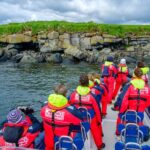
Iceland can humble your schedule fast, but this tour is built for comfort. Included gear typically covers warm overalls, raincoats, and blankets on board. That changes everything if you arrive dressed for a stroll, not a cold sea wind.
If it’s raining, you can use rain protection and stay warm enough to focus on the birds. On some days, people are also offered extra help like motion-sickness support, which is a nice safety net if the sea has energy.
You may also find warm drinks available on board. One special detail that comes up is seaman’s coffee for warmth, which feels very appropriate out on the water even if the sky is grey.
If you’re waiting before departure, the Whale Watching Centre area is handy for staying out of the cold. Between the indoor space and the included gear, you’re not stuck freezing until the boat leaves.
Other wildlife moments: seals and extra surprises
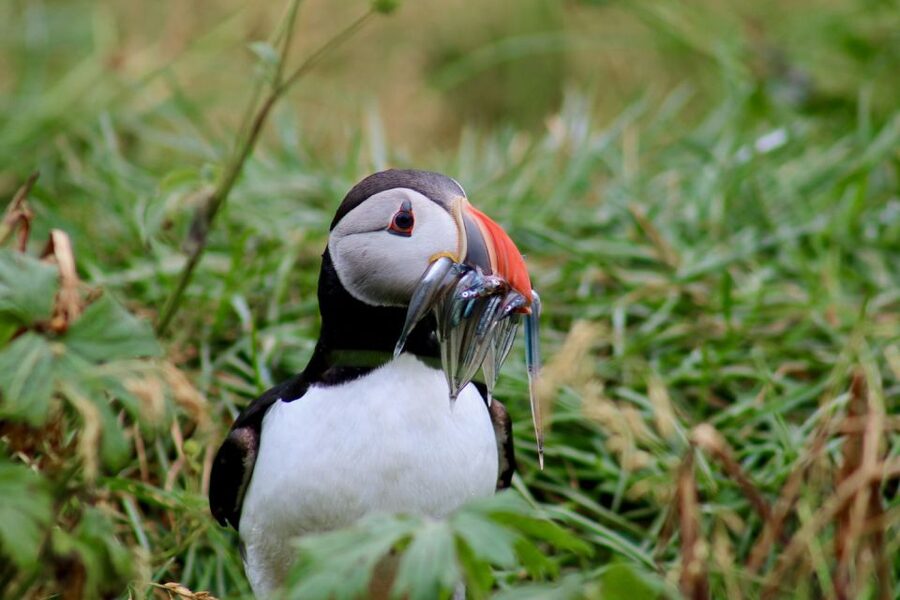
Puffins are the headline, but it’s common to get more than one kind of wildlife moment. Depending on route and conditions, the captain may steer toward other activity, and you could see additional seabirds or even other marine life.
Some days include surprises like seals showing up nearby. On others, you might see dolphin activity when the waters are busy. The point is this: even if puffins steal the show, you’re not locked into a single-view experience.
Price and value: what you’re really paying for at $66
At $66 per person, this tour isn’t the cheapest thing in Reykjavík. But it’s also not just you paying for a boat ride. Your money goes toward several value pieces that matter in Iceland:
- Marine access to the breeding-island area, not just “viewing from the harbor”
- A naturalist guide, which helps you see birds correctly and understand what you’re watching
- Warm gear that keeps you comfortable enough to stay focused
- Free binoculars, which is essential for small seabirds
- An outing designed to be short and efficient, so you can fit it into real travel schedules
The only real value risk is expectations. If you expect a private, ultra-close, land-on-the-burrows experience, you might feel slightly underwhelmed. This cruise is excellent for fast, low-stress puffin viewing, but it won’t always deliver the extreme closeness you see in photos taken from different kinds of boats or different conditions.
Still, for most people, especially first-timers, the math usually works. You’re paying for a high success chance at seeing puffins plus the comfort to actually enjoy it.
Who this puffin cruise fits best
This tour is a strong choice if:
- You want a quick puffin fix without losing half your day
- You like wildlife where someone helps you interpret what you’re seeing
- You’re visiting Reykjavík and want an easy, organized activity right in town
It may be less ideal if:
- You need wheelchair access, since it’s not suitable for wheelchair users
- You bring luggage or oversized bags, since you won’t be allowed to bring them on
- You want guaranteed ultra-close land sightings every time, because tides and weather can change access
Also, note the shoe rule: high-heeled shoes aren’t allowed. Wear sturdy footwear that you can stand and move in comfortably.
Practical tips that make a difference on a windy day
A few small moves can improve your odds and your enjoyment.
First, if you’re planning around photos, be ready for the small scale of puffins. Use binoculars early, and then decide what you want to photograph. Puffins are often easiest to spot when you’re watching movement, not only when they sit still.
Second, timing with tides helps. If the operator discusses high tide versus low tide, take it seriously. Ask ahead about which departure times tend to line up with better closeness. Even one decision like that can change how the captain approaches the island.
Third, arrive early and give yourself a buffer. Reykjavík departures run on time, and finding parking at the last minute can make you feel stressed instead of excited.
Finally, dress for wind. Even with overalls and rain protection, you’ll be happier if your base layer is warm and your outer layer is waterproof or wind-resistant.
Should you book this Reykjavik puffin watching tour?
If your goal is to see puffins in a time-efficient way, I’d say yes. The sweet spot is the balance: you get real breeding-island birdwatching, plus warm gear and free binoculars, all guided by a naturalist who points your attention in the right direction.
Book it when you want a solid first taste of Iceland seabird life and you’re okay with the fact that puffins are small and conditions influence closeness. I’d also book it if you like the idea of low-impact viewing that focuses on the birds’ natural behavior.
Skip it or adjust expectations if you’re chasing extreme close-ups every minute. This cruise is built for respectful, comfortable viewing, not guaranteed “right next to the burrow” intimacy.
FAQ
Where do I check in for the puffin tour?
Check in at Elding’s ticket office at Ægisgarður 5, 101 Reykjavík. It’s in the heart of Reykjavík, about a 5-minute walk from downtown.
How long is the tour?
The experience is listed as 1 hour. On the water, you should expect additional sailing time around the main wildlife viewing stop, depending on conditions.
Where will the boat take me?
Depending on tides and weather, the cruise may go to Akurey, Engey, or Lundey for wildlife viewing.
Will I have binoculars?
Yes. You can borrow onboard binoculars during the tour, and the guide will help you use them effectively.
What warm clothing is provided?
Warm overalls, raincoats, and blankets are provided on board.
Are refreshments included?
Refreshments are available to purchase on board, but they are not included in the tour price.
What types of birds might I see besides puffins?
Besides puffins, you may see eider ducks, arctic terns, guillemots, cormorants, fulmars, geese, and oystercatchers.
What should I bring and wear?
Wear weather-appropriate clothing. Also avoid high-heeled shoes, and plan to dress for cold, wet conditions even if the sky looks okay at check-in.
Is the tour wheelchair accessible?
No. It is not suitable for wheelchair users.
What language is the tour guide?
The tour is conducted in English.
More Tours in Reykjavik



More Tour Reviews in Reykjavik

More Puffin Trips in Season
More Reykjavik write-ups from our desk
- Private Transfer from Reykjavik to Reykjavik Airport KEF by Sedan
★ 5.0 · 3 reviews - Northern Lights in Mini Bus, Photos, Hot Cocoa and Pastries
★ 5.0 · 3 reviews - Exclusive Westman Islands Adventure – A Private Day Tour
★ 5.0 · 3 reviews - Private South Coast tour with Glacier walk
★ 5.0 · 3 reviews - Borgarfjörður
★ 4.5 · 3 reviews - SOUTH COAST : The Discovery
★ 5.0 · 3 reviews
Puffin Watching Tours, compared.
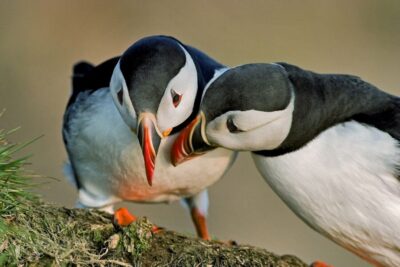 ★ 4.6Reykjavik: Puffin Watching Boat TourFrom $641,052 reviews
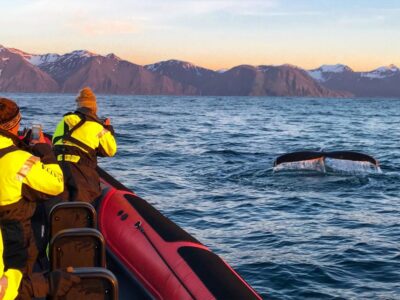 ★ 4.8Húsavík: Big Whales and Puffin Island Speedboat TourFrom $198979 reviews
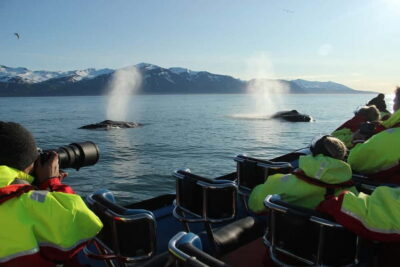 ★ 4.8Húsavík: Original Big Whale Safari & Puffins by SpeedboatFrom $159973 reviews
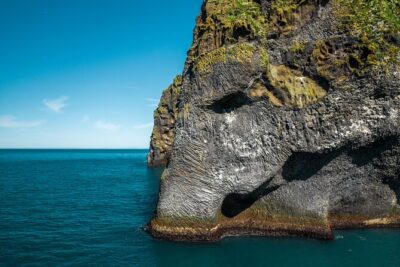 ★ 5.0Puffin and Volcano Tour with EbbiFrom $114731 reviews
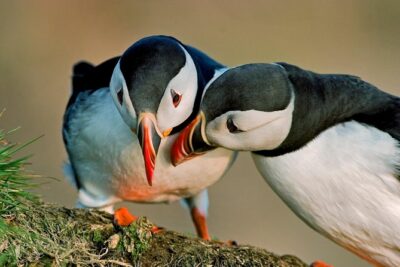 ★ 4.5Puffin Cruise with Expert Tour Guide from ReykjavikFrom $63636 reviews
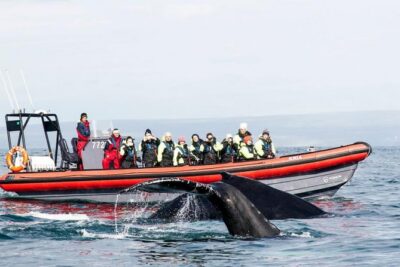 ★ 5.0Big Whales & Puffins RIB boat tour from HúsavíkFrom $203501 reviews
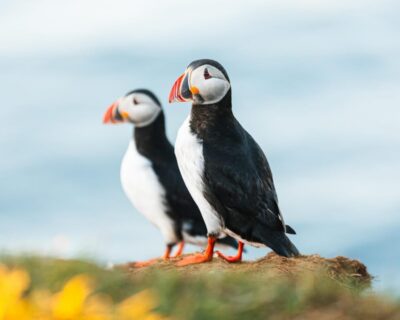 ★ 4.6Húsavík: Whale-Watching Cruise and Puffins Guided TourFrom $135444 reviews
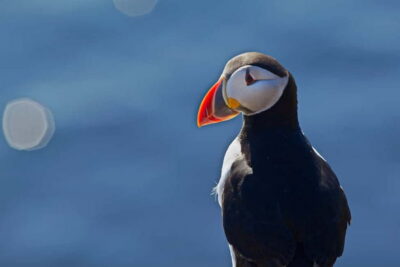 ★ 4.3Reykjavik: Whales and Puffins Express Cruise Combo TourFrom $148442 reviews
Browse the lists this tour appears in