
Review · WHALE WATCHING
Reykjavik: Whale and Puffin Watching RIB Boat Tour
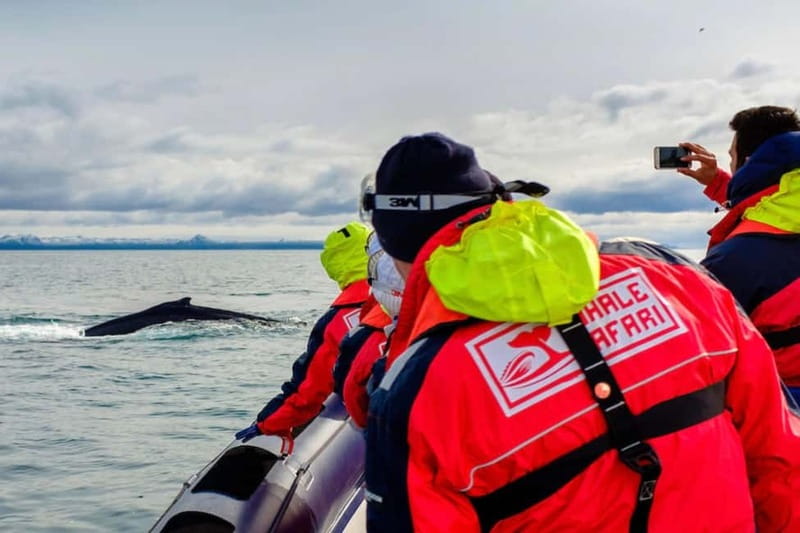
Reykjavik from the water feels like cheating. This fast, small-group RIB ride gets you out past Harpa and the Sun Voyager sculpture, then aims for puffins and whales. I love the fact that you get marine-life spotting help from a guide with real science background, and I love the way the boat is built to move close without playing rough with wildlife. One consideration: you can’t control what the ocean gives you, so sightings depend on conditions and luck.
The tour runs seasonally in the warmer months, with puffins most consistently showing up in late April through the first part of August. I also appreciate the practical touches: warm gear is provided, and the crew shares photos taken during the trip. The drawback is simple, and it matters in Iceland: if you are not properly layered, the wind and spray can turn the “fun speed” into “cold speed.”
I’d pack this for people who want maximum action in minimal time, and who are okay with fast weather changes. If you are prone to motion issues, you’ll still want to plan for a thrilling ride, even though many people say they were fine.
In This Review
- Key things I’d plan around on this RIB tour
- Getting from Reykjavik Old Harbour to the sea fast
- Why a RIB boat changes whale and puffin watching
- Puffin islands first, then the wider hunt for whales and dolphins
- The marine biologist guide effect: what you’ll actually learn
- What the ride feels like: speed, wind, and staying warm
- Timing and seasons: when whales and puffins are most likely
- Photo sharing that turns the trip into a souvenir
- Price, value, and what $191 actually buys you
- Who this RIB whale and puffin tour is perfect for
- Should you book this Reykjavik whale and puffin RIB tour?
- FAQ
- How long is the Reykjavik whale and puffin RIB tour?
- Where do we meet for the tour?
- What wildlife can we see, and when?
- What gear is included for the boat ride?
- Is there food or toilets on the boat?
- What are the age, height, and weight limits?
- Is the tour guide English, and how big is the group?
Key things I’d plan around on this RIB tour
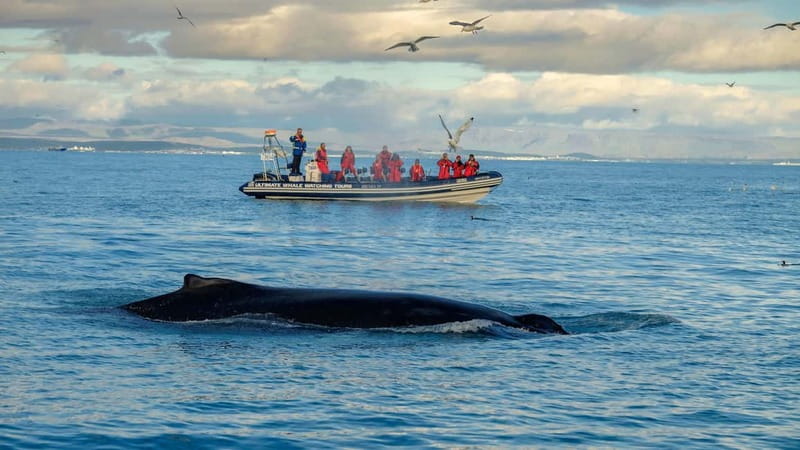
- RIB maneuvering for closer views than larger boats can often manage
- Marine biologist style guidance with behavior explanations you can actually use
- Old Harbour departure, then coastline return with Harpa views from the water
- Warm overalls, gloves, and goggles provided, so you’re not stuck freezing on day one
- Puffins on islands first, then wider-area searching farther offshore for whales and dolphins
- Photo sharing after the tour, so you don’t have to nail every camera moment yourself
Puffin colonies by boat and by buggy, other trips
Getting from Reykjavik Old Harbour to the sea fast
You meet at the ticket office in Reykjavik’s Old Harbour, and the tour loops back to the same spot. That matters because you avoid long transfers, and you’re already in the right mood when you step onto the boat. The whole outing is about 2 hours, which feels short until you realize that time on the water counts twice, once for searching and once for keeping an eye out when animals surface.
Before you even get to wildlife, you’re treated to the water-level view of Reykjavik’s landmarks. You’ll sail past Harpa Concert Hall, and you’ll also spot the iconic Sun Voyager sculpture. Returning along the shore means you often see Harpa again, just from a different angle, with the city skyline framed by ocean.
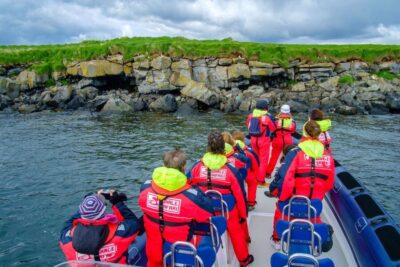
Here’s the practical reality: the tour is not for max comfort lounging. The RIB is meant to go, and you will feel speed and wind once you’re out. That’s part of the appeal, but plan your layers accordingly.
Why a RIB boat changes whale and puffin watching
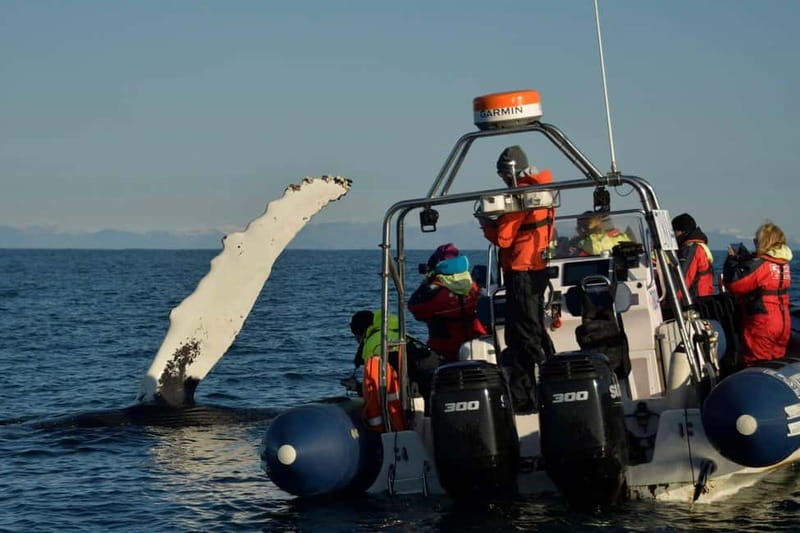
This is a special-engineered RIB, and that design affects what you experience. A RIB can change direction quickly and reach areas larger boats can’t, which helps the crew search smarter rather than just “going far.” The boat is also described as stable, and some riders specifically mention comfortable seating with spring-absorbing support to take the bumps from waves.
In plain terms, you get more chances to line up with marine life when it appears. And when animals come close, the difference is obvious. People describe being able to hear surfacing behavior, which tells you how close you can get when the captain makes the right call.
You should still expect a true wildlife search, not a guaranteed parade. The ocean decides where whales and dolphins surface, and puffin activity depends on island usage and daily conditions. Even in the best season, some trips are banner days and some are lighter.
Puffin islands first, then the wider hunt for whales and dolphins
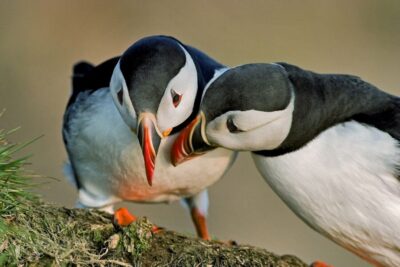
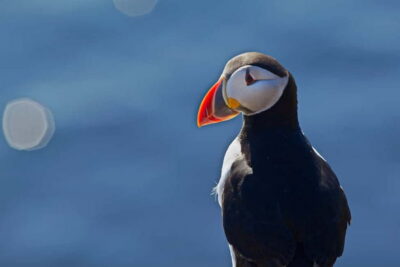
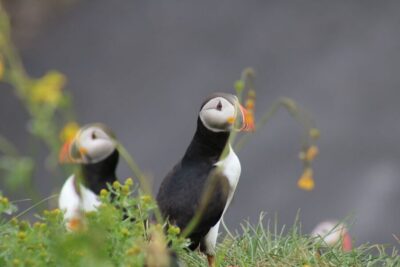
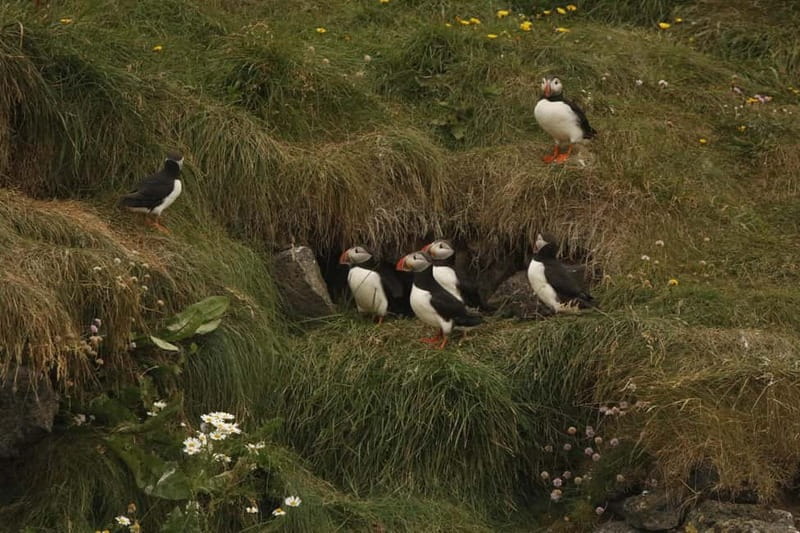
The sequence is built for the species you’re most likely to see on a tight schedule. First, you ride out toward the islands to look for puffins in their natural setting. This is smart because puffins are tied to nesting behavior around specific areas, so your odds stay steadier than open-water hunts.
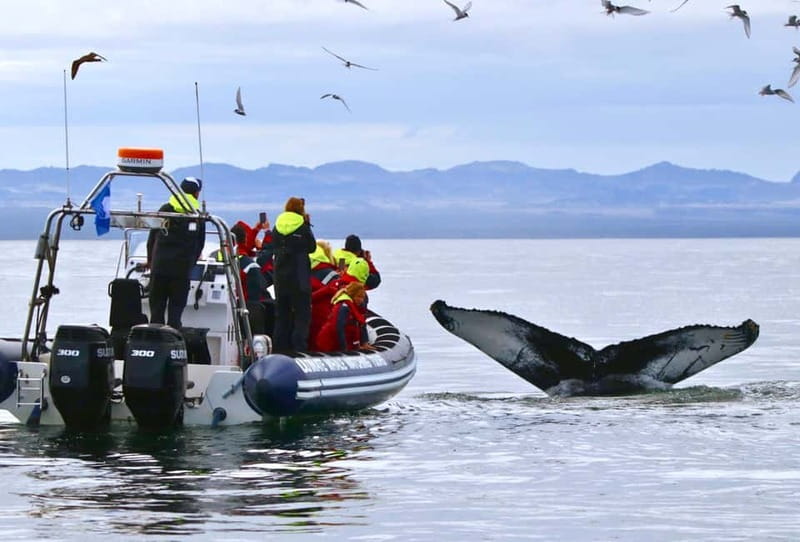
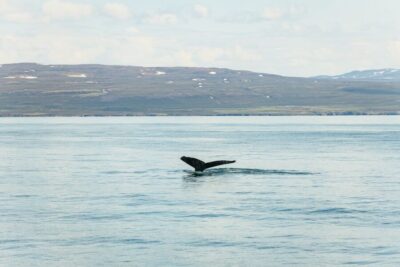
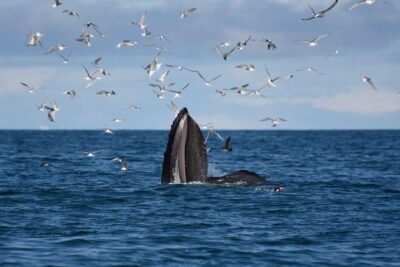
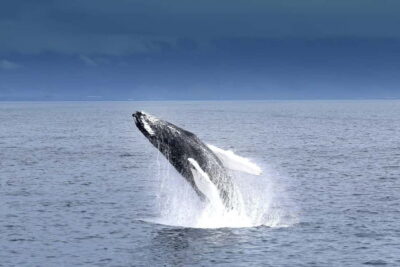
After the puffin spotting, the boat heads out farther to search a wider region for whales and dolphins. The crew uses their skill to look for signs, then adjusts course to get you into viewing range while still respecting the animals’ space. Many people mention seeing multiple types of marine life, including minke whales, dolphins, and occasional humpbacks.
What you should take from this itinerary is how it reduces wasted time. Instead of heading straight into open water and crossing your fingers, you start with a likely target. If puffins are active, you often get a satisfying first hit before the bigger search begins.
Other Reykjavik outings that keep coming up in our notes
- Reykjavík: Whale Watching and Marine Life Cruise★ 4.6 · 9,838 reviews
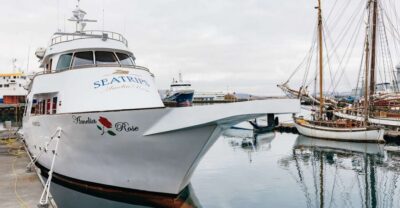
- Reykjavík: Whale Watching Cruise on the Amelia Rose Yacht★ 4.5 · 2,911 reviews
- Reykjavik: Northern Lights Yacht Tour★ 4.4 · 1,253 reviews
- Reykjavik: Puffin Watching Boat Tour★ 4.6 · 1,052 reviews
- Reykjavik: Whale Watching and Dolphin Watching Yacht Cruise★ 4.5 · 707 reviews
The marine biologist guide effect: what you’ll actually learn
This tour is led by a specially trained whale-watching guide, and several guides you might encounter have strong marine biology backgrounds. Names that come up include Max (with marine biologist credentials), Kylie, Emily, Matt, Mike, and Marie. Different guides have different teaching styles, but the theme is consistent: you’re not just watching animals, you’re learning how they behave.
On the water, that knowledge changes the way you look. Instead of staring at the horizon hoping for a blow, you learn what to watch for, how animals move through water, and why the crew heads where it does. People repeatedly praise the commentary and the guide’s ability to help them spot dolphins and whales sooner.
It also makes the puffin portion feel more meaningful. You’re not just ticking off a seabird. You get context about nesting behavior and what’s normal versus what stands out.
If you ask questions, you’ll get answers. That’s a big part of the value here, because it turns a scenic boat ride into a guided experience you can talk about later.
What the ride feels like: speed, wind, and staying warm
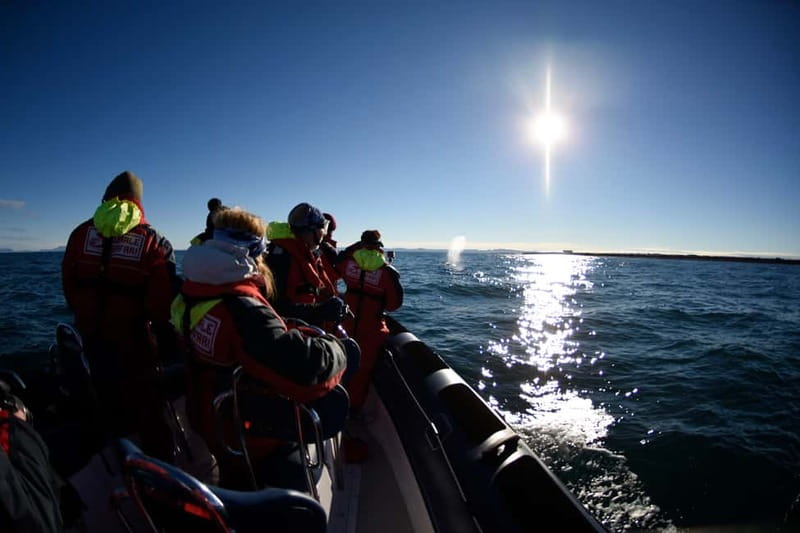
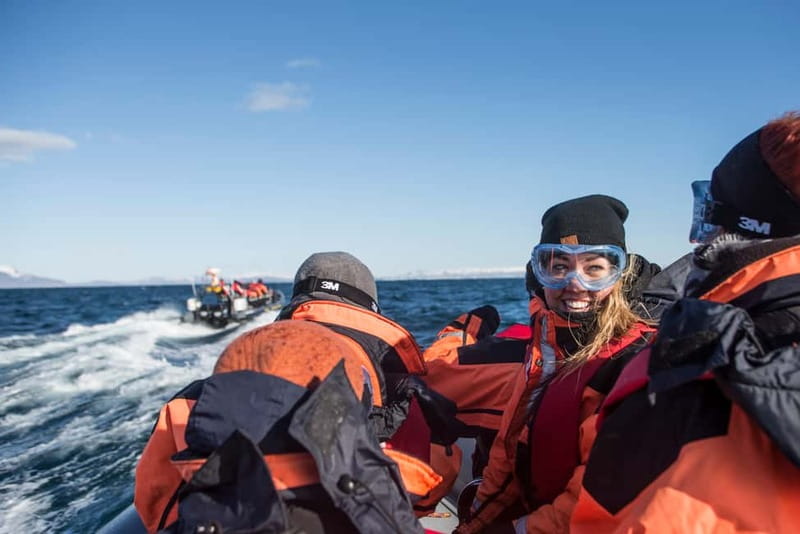
The boat ride is described as fun and exciting, with plenty of wind once you head out. You’ll get warm overalls, gloves, and goggles, plus all necessary safety equipment. That helps a lot, but it does not replace common-sense layering. Some people advise bringing your warmest coat and wool layers anyway, because you can still feel cold in wind and spray.
Footwear matters. You’re asked to wear hiking shoes, and high-heeled shoes are not allowed. You’ll also sign a waiver before you go, which is normal for a small boat operation that goes out in variable weather.
One small comfort note from experience reports: the provided suits can be warm but may get wet inside during the trip. Pack like you’re going to get damp, because in Iceland, you often will.
If you’re worried about seasickness, you’ll be relieved to hear that people frequently mention not getting sick and feeling safe in the stable RIB setup. Still, if motion affects you, pick your departure time thoughtfully and bring whatever remedy you personally trust.
Timing and seasons: when whales and puffins are most likely
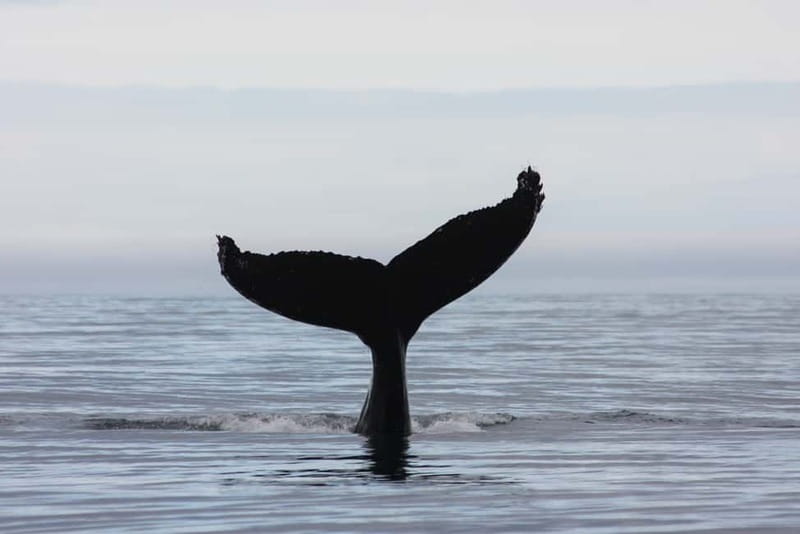
This tour runs from 1 April to 31 October. Whales and puffins are available seasonally, with sightings most likely between late April and August. Puffins have a specific season window listed as 20 April to 15 August, and another note places puffin season as 20 April to 20 August. Either way, you’re aiming for spring through summer, when Iceland’s marine activity is at its best for wildlife watching.
Price and weather go together here. In the peak months, you’re paying for a high-quality chance to see animals plus a guided search, not a guaranteed sighting. In shoulder dates, the scenery is still great, but you should expect more variability in how many whales and dolphins show up.
Also, the tour has age and body-size limits. The minimum age is 10, minimum height is 145 cm, and the maximum weight limit is 140 kg. It is also listed as not suitable for pregnant women, people with mobility impairments, and people under 145 cm, plus not for those over 75.
Photo sharing that turns the trip into a souvenir
One of the smartest perks is that the crew takes pictures during the tour and then provides them afterward. People describe receiving photo sets a short time after, and there’s often a summary of what was seen. That helps you because RIBs move fast, and wildlife does not wait for perfect framing.
If you’re traveling with family or friends, this is a big deal. You can enjoy the ride while the guide handles camera moments when animals surface nearby. You also get a backup if your phone case fogs up or your hands get cold.
Price, value, and what $191 actually buys you
The price is $191 per person for a 2-hour tour. On the surface, that’s not cheap, but value here is about what you’re paying for beyond the boat ride.
You’re paying for:
- A small group size, limited to 12 participants
- A guide with real training in marine wildlife
- A boat that’s meant to search and maneuver for closer viewing
- Warm overalls, gloves, and goggles, plus safety gear
- Photo sharing after the tour
It’s also a “time-efficient” purchase. Two hours on the water is a quick hit compared to day-long excursions, and you still get Harpa and Reykjavik coastline views from the sea. If you’re only in Iceland for a few days, this is the kind of tour that plugs a big wildlife goal into a tight schedule.
What is not included is also part of the cost equation. There are no toilets on board and no food on board, so plan a quick stop at shore before you meet and consider bringing a snack outside the tour if your schedule needs it.
Who this RIB whale and puffin tour is perfect for
This is the kind of outing you should book if you want action and education together. It suits:
- First-time visitors who want Reykjavik highlights plus wildlife
- People who like speed and are okay with wind and spray
- Anyone who wants guided spotting help, not just a generic cruise
- Families with kids age 10 and up who meet the height limit
It may not fit if you:
- Are not comfortable with fast boat motion
- Need accessible facilities, since it’s listed as not suitable for people with mobility impairments
- Are pregnant
- Are outside the age and weight limits
Should you book this Reykjavik whale and puffin RIB tour?
If you’re traveling in late April through August, and you want the best blend of wildlife chances, close-up viewing, and science-led spotting, I think it’s an easy yes. The price feels more reasonable when you factor in the guide quality, the RIB’s maneuvering advantage, and the warm gear plus photos.
Book it if your priority is an active, guided wildlife hunt from Reykjavik’s Old Harbour with quick access to iconic landmarks like Harpa. Skip it if you want slow sightseeing, if you need comfort over speed, or if you fall outside the listed limits.
FAQ
How long is the Reykjavik whale and puffin RIB tour?
The tour lasts 2 hours, and you can check available starting times when booking.
Where do we meet for the tour?
You meet at the ticket office at Reykjavik’s Old Harbour. The tour ends back at the same meeting point.
What wildlife can we see, and when?
The tour focuses on whales and puffins seasonally. Puffin season is listed as starting 20 April and running through 15 August, with another note placing it through 20 August.
What gear is included for the boat ride?
The tour includes warm overalls, gloves, and goggles, plus all necessary safety equipment.
Is there food or toilets on the boat?
No. There are no toilets on board, and food is not included.
What are the age, height, and weight limits?
The minimum age is 10 years, the minimum height is 145 cm, and the maximum weight is 140 kg.
Is the tour guide English, and how big is the group?
Yes, the live tour guide speaks English, and the group is limited to 12 participants.
More Tours in Reykjavik



More Tour Reviews in Reykjavik

More Puffin Trips in Season


More Reykjavik write-ups from our desk
- Private Transfer from Reykjavik to Reykjavik Airport KEF by Sedan
★ 5.0 · 3 reviews - Northern Lights in Mini Bus, Photos, Hot Cocoa and Pastries
★ 5.0 · 3 reviews - Exclusive Westman Islands Adventure – A Private Day Tour
★ 5.0 · 3 reviews - Private South Coast tour with Glacier walk
★ 5.0 · 3 reviews - Borgarfjörður
★ 4.5 · 3 reviews - SOUTH COAST : The Discovery
★ 5.0 · 3 reviews
Whale Watching, compared.
 ★ 4.6Akureyri: 3-Hour Classic Whale Watching Tour by ShipFrom $1083,000 reviews
 ★ 4.5Reykjavík: Whale Watching Cruise on the Amelia Rose YachtFrom $1072,911 reviews
 ★ 4.6Húsavík: Whale Watching Tour with GuideFrom $1152,761 reviews
 ★ 4.5The Original Classic Whale Watching from ReykjavikFrom $1052,626 reviews
 ★ 4.2Reykjavik: Whale Watching Tour with Expert GuideFrom $902,307 reviews
 ★ 4.5Húsavík: Traditional Whale Watching by Local Family CompanyFrom $911,735 reviews
 ★ 4.8Húsavík: Big Whales and Puffin Island Speedboat TourFrom $198979 reviews
 ★ 4.8Húsavík: Original Big Whale Safari & Puffins by SpeedboatFrom $159973 reviews
Browse the lists this tour appears in