
Review · SILFRA SNORKELING & DIVING
Silfra: Diving Between Tectonic Plates
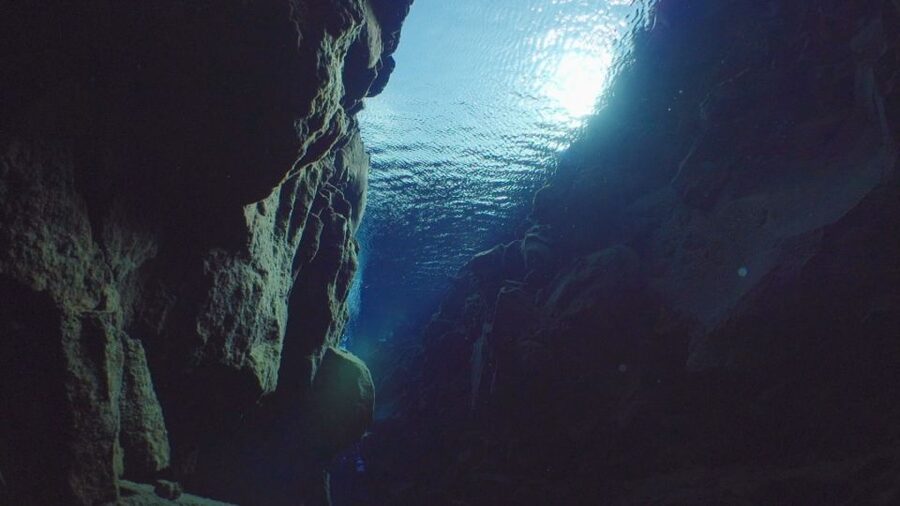
Silfra gets under your skin, in the best way. You’ll scuba in the clearest water on Earth, right in Thingvellir National Park, where the American and European plates split. I love that you’re not just looking at a geologic wonder from above, you’re literally floating through the crack that makes it happen. The dry suit matters too, because the water sits around 2 C year-round, even when the weather in Iceland is being Iceland.
My favorite part is the straight-up sense of scale. In the narrowest section, you can reach out and touch the plates, and the visibility can run 100 m plus. One thing to think about: this is not a casual experience. You need the right scuba and dry suit credentials, and the fissure is cold and physically demanding in gear, even with the warm setup.
In This Review
- Key moments worth showing up for
- Why Silfra feels different from every other Iceland activity
- 2 C water plus a dry suit: what the cold actually means
- Getting to Thingvellir and the flow of your half-day
- The fissure dive, section by section: Big Crack to Silfra Lagoon
- Big Crack: the plates are close enough to touch
- Silfra Hall: clarity and color at full volume
- Silfra Cathedral: deeper water, a bigger sense of depth
- Silfra Lagoon: the dive ends in endless clarity
- Guides, equipment, and the small-group feel
- Price and value: is $289 worth it?
- Who this is best for, and who should skip
- Practical tips before you go (so the day feels smooth)
- Should you book Silfra at Thingvellir?
- FAQ
- Where does the tour start?
- How long is the experience, and how much time is spent underwater?
- What equipment and thermal protection are included?
- Do I need scuba and dry suit certification?
- Is transportation from Reykjavik available?
- Is this tour suitable for pregnant people?
Key moments worth showing up for
- Touch the tectonic plates in Big Crack, when the fissure narrows
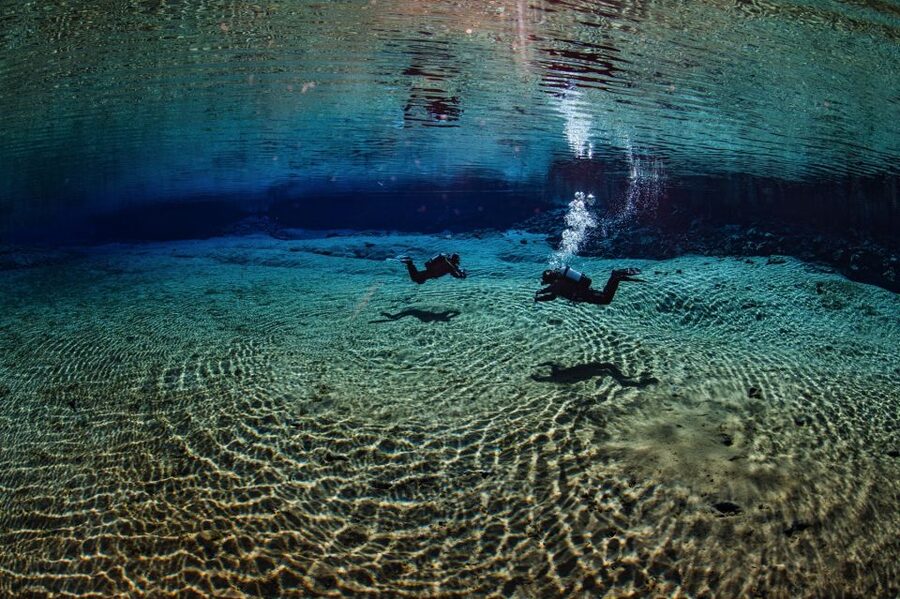
- 100 m plus visibility that makes the fissure walls feel close, like you can measure distance underwater
- Four named sections of the Silfra fissure, from Big Crack to Silfra Lagoon
- 2 C water in a dry suit, so you stay warm and dry inside your gear
- Thingvellir UNESCO time on land, because the diving starts in a place with serious geologic drama
- Hot chocolate and cookies after, plus time to look at photos taken during the tour
Between the plates in a drysuit. Other Silfra slots
Why Silfra feels different from every other Iceland activity
Silfra is Iceland’s most famous dive site for a reason. Most places show you a waterfall, a glacier, or a lava field. Silfra gives you the reason behind a landscape you’ve already seen, up close, underwater.
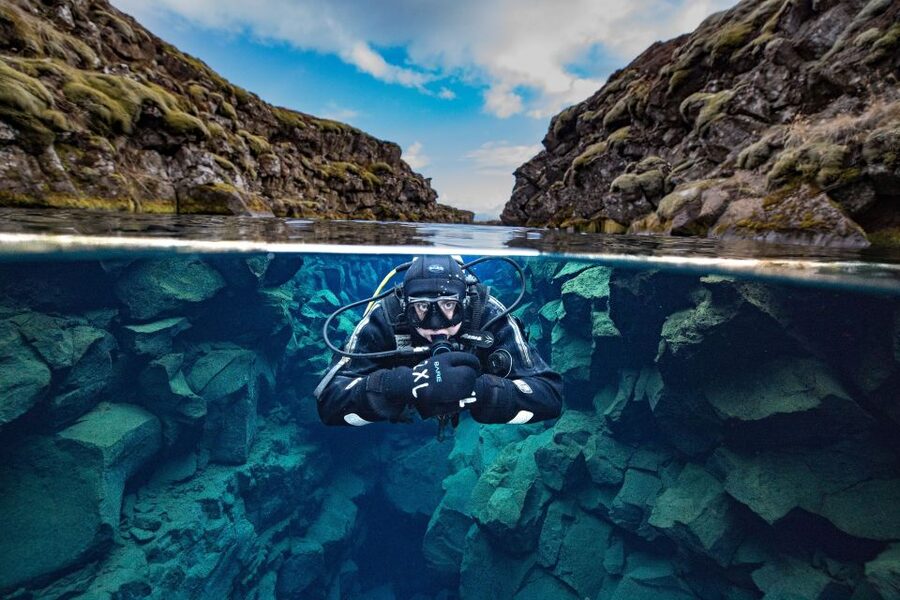
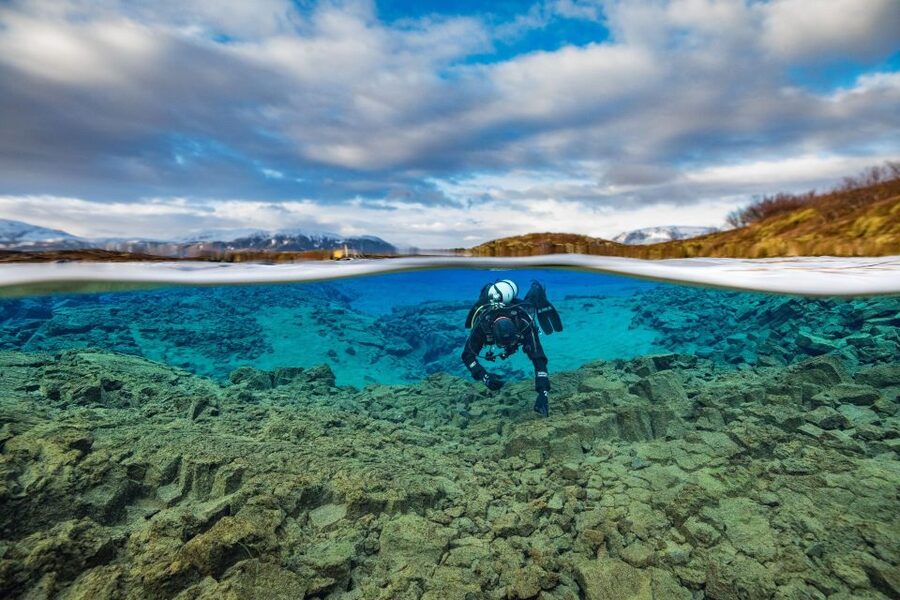
You’ll dive between tectonic plates that sit between two continents. When you’re standing on land in Thingvellir, it can feel like geology is something you study. Underwater, it becomes something you can feel through your hands, your buoyancy, and your line of sight. I also like that the experience is built around clarity. Visibility of 100 m plus is what turns the fissure into a color-and-distance show, not just a cold swim with rocks.
And yes, it’s a real bucket-list moment. The “only place in the world” claim is part of the pitch, but what really sells it is practical: you’re not guessing what tectonic movement looks like. You’re watching the crack, section by section, while the water stays brutally cold and perfectly clear.
One more reason I’m a fan: the dive happens inside a protected UNESCO area. That means the scenery before and after the water matters, and it’s not all about the tank time.
2 C water plus a dry suit: what the cold actually means
The water temperature is about 2 C year-round, and the tour uses a dry suit with a warm undersuit. That dry suit is not a “nice-to-have.” It’s the thing that makes the dive possible for most people who meet the certification requirements.
In a regular wetsuit, cold water can turn your breathing into a survival task. With a dry suit, your job becomes more normal: focus on buoyancy, look, and follow your guide’s hand signals. You’ll still feel cold pressure in your face area if you’re tense, so the key is relaxing and letting the suit do its work.
I also like that the operator plans for comfort after. You get hot chocolate and cookies to warm up, and there’s a heated van to change clothes. That matters in Iceland, because “cold” is not just a temperature. It changes how your whole day feels.
Here’s a realistic consideration: you’re in scuba gear, and the environment is unforgiving. If you’re the type who gets nervous in tight spaces, practice calm movements. You’re going to be navigating a fissure, with sections that narrow and widen, and your route will depend on conditions and your guide.
Getting to Thingvellir and the flow of your half-day
Your day is built for minimal stress and clear pacing. If you choose pickup, you’ll be collected from Reykjavik and driven toward Thingvellir. If you don’t choose pickup, you’ll meet at Silfra in Thingvellir National Park. Arrive 15 minutes early so you don’t feel rushed during the prep.
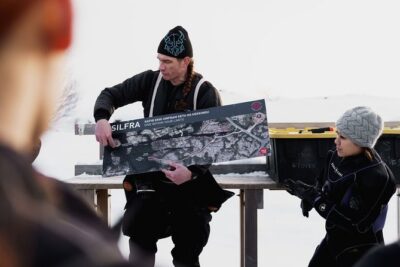
Once you’re at the start point, the tour is guided and structured. Expect about 1 hour for briefing and gearing up. This is when you’ll go over the medical and safety requirements, get fitted, and confirm how your dry suit and scuba setup will work for you.
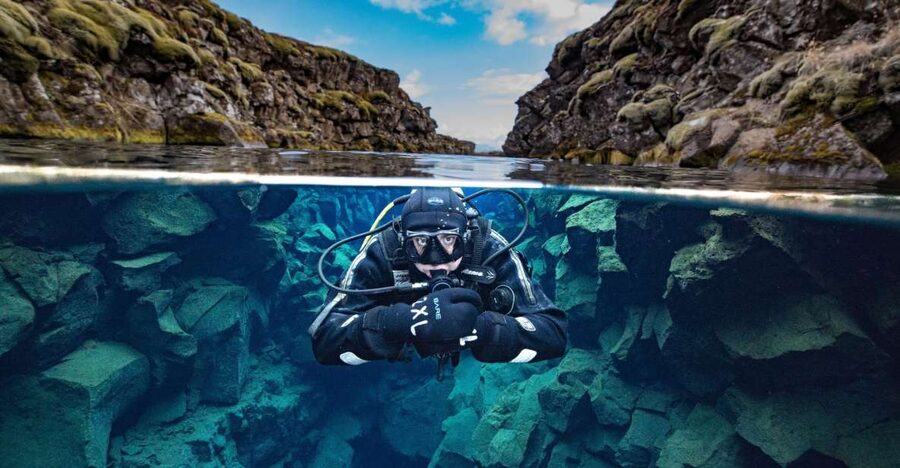
Then you’ll head into the water and spend about 45 minutes exploring Silfra. That underwater time isn’t long, but it’s the right length for a cold-water dry suit experience. Longer than that and you’d probably be too taxed, mentally and physically.
After the dive, you exit and walk back to the meeting point, about 250 meters. You’ll warm up with hot chocolate and cookies, then have time to chat with your guide and look at photos taken during the tour.
- Reykjavik: Golden Circle Full-Day Tour with Kerid Crater★ 4.8 · 24,485 reviews
- Reykjavik Food Walk – Local Foodie Adventure in Iceland★ 5.0 · 18,952 reviews
- Reykjavík: South Coast Waterfalls, Black Sand & Glacier Tour★ 4.8 · 11,030 reviews
- Reykjavík: Whale Watching and Marine Life Cruise★ 4.6 · 9,838 reviews
- Reykjavik: Sky Lagoon Entrance Pass With 7-Step Spa Ritual★ 4.8 · 6,166 reviews
The fissure dive, section by section: Big Crack to Silfra Lagoon
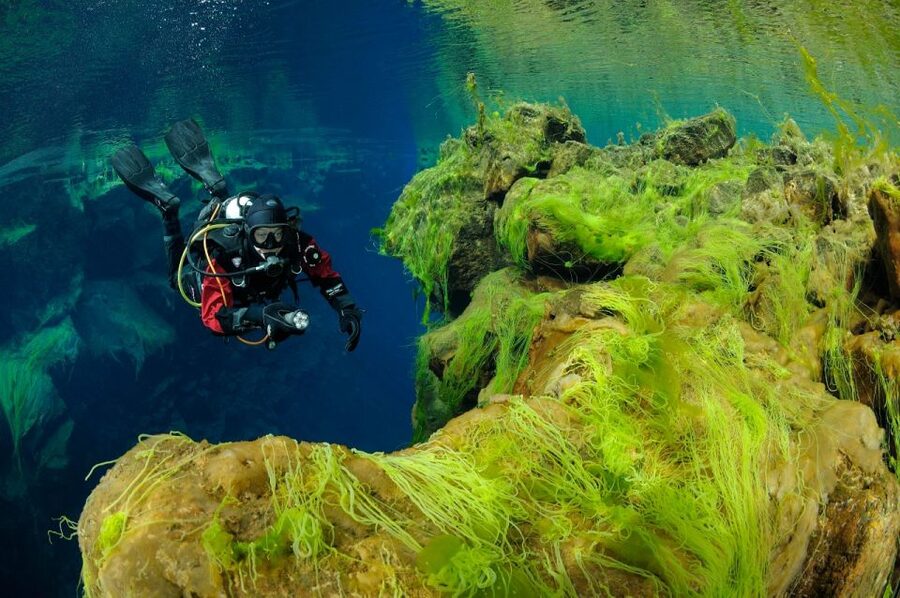
Silfra isn’t one long corridor. It’s divided into four sections, and each one changes how the water looks, how you move, and what you notice.
Big Crack: the plates are close enough to touch
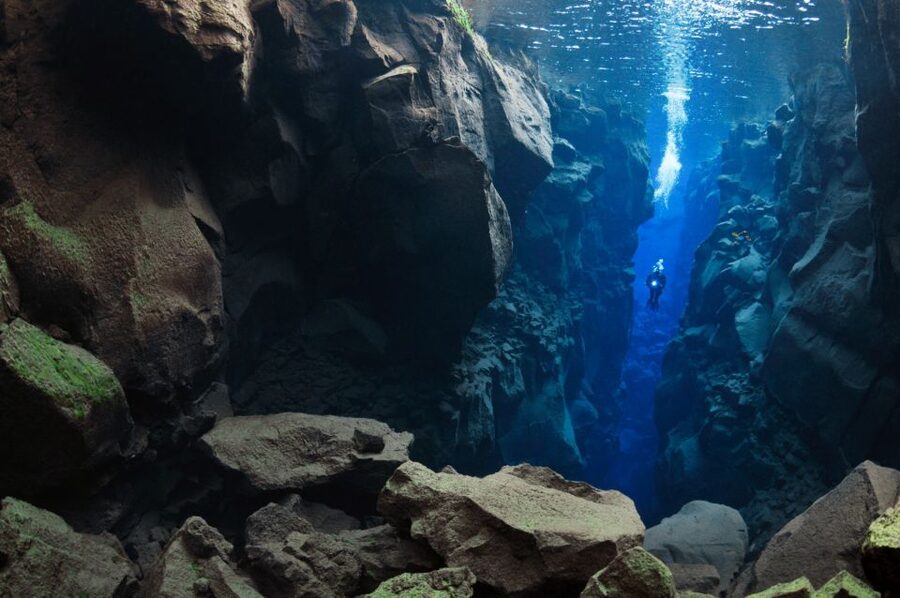
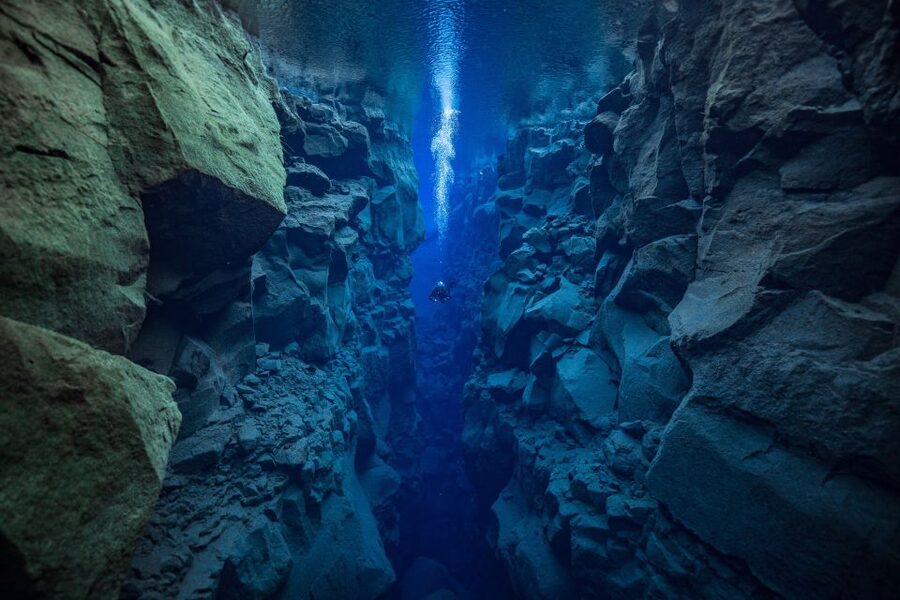
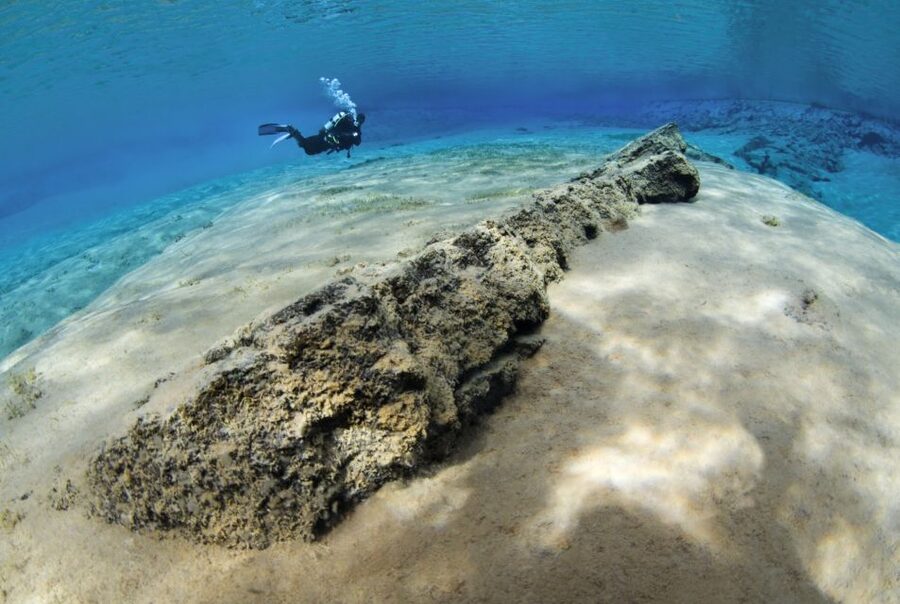
You’ll start at the entry platform and move into Big Crack, the fissure’s narrowest section. This is where the idea of “diving between tectonic plates” turns real. The plates are so close you can touch them, if your guide says it’s safe and conditions allow it.
I love this part because it’s a hands-on geography lesson. You stop thinking about the ocean as a place you swim and start thinking about it as a window into the Earth’s skin.
Silfra Hall: clarity and color at full volume
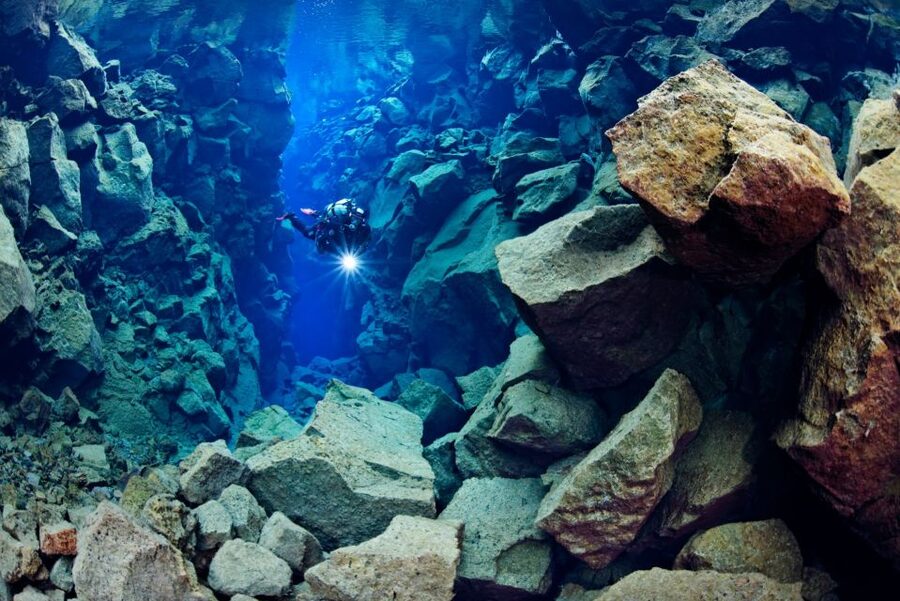
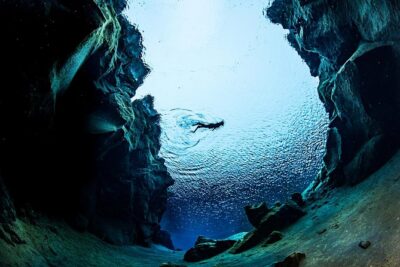
Next is Silfra Hall, where the fissure widens. This is often the moment people understand why visibility gets advertised so loudly. With the widened space, you get a full spectrum of Silfra’s colors, and the clarity makes the underwater world feel almost staged.
If you look at the right angle, you can see all the way to Lake Thingvallavatn, over 150 m away. That kind of distance is hard to grasp until you’re wearing a mask and trying to judge depth while suspended in a cold, still current.
One practical tip: watch your angle. Your view can change fast when you’re looking through a narrow crack, so ask your guide where to position yourself for the best sightlines.
Silfra Cathedral: deeper water, a bigger sense of depth
As you move toward the opening of Thingvellir Lake, you enter Silfra Cathedral, where the depth reaches about 23 m. You’ll feel that depth more than you’d expect, even with dry suit comfort, because your buoyancy needs to be dialed in and your breathing rhythm affects how steady you feel.
This is also where the fissure starts to feel less like a hallway and more like a room. The walls can look taller, and your sense of distance gets sharper because the visibility is that good.
Silfra Lagoon: the dive ends in endless clarity
Your dive wraps up in Silfra Lagoon, which is basically the “cool down” space. The visibility stays extreme, so even after you finish your main exploration, you’ll still be staring at the rocks and water colors like it’s a screensaver.
When you exit, you’re not leaving because you’re done. You’re leaving because the experience schedule ends, and the conditions are too cold to extend it. That’s also why the post-dive warmth feels so earned.
Guides, equipment, and the small-group feel
This tour is led by a live PADI instructor and uses scuba gear included in the price. You also get a dry suit and warm undersuit, plus a heated van to change clothes. That’s a lot included, and it matters because dry suit diving isn’t the time to gamble on gear quality.
From the guide names shared in recent experiences, I’ve noticed a theme: people remember the instructor as friendly and careful. Filip is mentioned for being great and personable, and Giancarlo is mentioned as fantastic. That kind of rapport helps a lot underwater, because you’re following instructions while your brain tries to stay warm.
Also, when visibility is this good, photos become a real bonus. One experience highlighted that conditions allowed for plenty of underwater shots, and if you’re comfortable following your guide and holding position, you’ll likely get better results.
What you should watch for: dry suit diving demands you follow suit procedures and listen during the briefing. If you’re new to dry suits, you’ll want confidence in your certification and comfort level. The tour is strict about eligibility for a reason.
Price and value: is $289 worth it?
At $289 per person, this is not a cheap add-on to a Golden Circle day. But it also isn’t just “scuba in Iceland.” You’re paying for several things that are harder to replicate anywhere else:
- The Silfra entry fee is included, which is a big part of why this site is protected and controlled.
- Gear is included: scuba equipment plus drysuit and warm undersuit.
- You get hot chocolate and cookies after, and a heated van for changing clothes.
- The tour includes a live PADI instructor and a guided, structured route through the fissure sections.
If you’re already certified for dry suit diving, this price can feel fair because you’re mainly paying for the site access, instruction, and thermal setup. If you’re not currently dry suit certified, you’re facing more barriers anyway, since you must meet the requirements listed by the operator.
My practical advice: treat it like a specialist experience. If cold-water diving and dry suits are in your wheelhouse, the value looks much stronger. If you’re unsure about dry suit comfort, invest first in building that experience elsewhere, then book Silfra when you know you can handle it.
Who this is best for, and who should skip
This is best for adult divers who want a genuine once-in-a-lifetime geology experience, not just a scenic swim. If you already have PADI Open Water certification or comparable training, and you also have current dry suit experience, you’re set up for success.
It’s not suitable for:
- Pregnant women
- People over 120 kg (264 lbs)
- People under 120 cm (3 ft 9 in)
- People over 200 cm (6 ft 6 in)
- People under 17 years
- People under 45 kg (99 lbs)
Also, the tour requires you to bring:
- Warm clothing
- Your diving certification
And it requires specific dive readiness:
- You must have PADI Open Water certification or comparable from another dive organization.
- You must have dry suit diving certification, plus either a logged dry suit dive within two years of your tour date, or at least 10 logged dry suit dives within two years, with written proof from an instructor.
- You’ll need to read and sign a Silfra medical diving statement and a liability release form before starting.
If you meet those rules and you’re comfortable underwater in cold conditions, you’ll probably love this. If you’re stretching your limits, this is one of those trips where saying no is the smart move.
Practical tips before you go (so the day feels smooth)
You won’t just show up in a hoodie. Plan for a dry suit day, which means layering for warmth and trusting the suit system.
Bring warm clothing so you don’t start your day underdressed. Even if the suit keeps you dry, your body will still feel the pre-dive and post-dive cold while you’re getting geared up, walking around, and changing.
Try to stay calm with the cold. A dry suit makes it manageable, but your breathing and muscle tension still matter. If you go in stiff and anxious, you’ll feel it more. If you go in relaxed, you can focus on the experience.
And be ready to arrive on time. You’ll be gearing up and getting briefed, so being late adds stress fast in a place like Thingvellir.
Finally, avoid alcohol and drugs. The tour lists these as not allowed, and it’s part of how they keep cold-water diving safe.
Should you book Silfra at Thingvellir?
If you’re a qualified diver who also has dry suit experience, I think booking is an easy yes. The core payoff is simple: 100 m plus visibility, a structured route through four named fissure sections, and the rare chance to dive where two continents meet underwater.
If you’re new to dry suits, or you’re still building confidence in cold-water gear, wait until you’re ready. This isn’t the time to figure out how your body handles 2 C water and a suit system.
If you want a “look at it from above” Golden Circle add-on, this isn’t that. Silfra is for people who want to move underwater, look closely, and enjoy clarity so sharp it feels unreal.
FAQ
Where does the tour start?
The tour meets at Silfra in Thingvellir National Park. You should arrive 15 minutes before the activity starts.
How long is the experience, and how much time is spent underwater?
The tour duration is 3 to 5 hours. You’ll spend about 45 minutes in the water exploring Silfra.
What equipment and thermal protection are included?
You’ll get scuba diving equipment and a dry suit with a warm undersuit included.
Do I need scuba and dry suit certification?
Yes. You must have PADI Open Water certification (or comparable). You also need dry suit diving certification, plus proof of recent dry suit dives as required by the tour.
Is transportation from Reykjavik available?
Pickup is optional. You can also meet directly at Silfra in Thingvellir National Park.
Is this tour suitable for pregnant people?
No, it is not suitable for pregnant women.
More Tour Reviews in Reykjavik


Silfra, More Ways In


More Reykjavik write-ups from our desk
- Private Transfer from Reykjavik to Reykjavik Airport KEF by Sedan
★ 5.0 · 3 reviews - Northern Lights in Mini Bus, Photos, Hot Cocoa and Pastries
★ 5.0 · 3 reviews - Exclusive Westman Islands Adventure – A Private Day Tour
★ 5.0 · 3 reviews - Private South Coast tour with Glacier walk
★ 5.0 · 3 reviews - Borgarfjörður
★ 4.5 · 3 reviews - SOUTH COAST : The Discovery
★ 5.0 · 3 reviews
Silfra Snorkeling & Diving, compared.
 ★ 5.0Silfra: Snorkeling Between Tectonic Plates – Meet on LocationFrom $1545,001 reviews
 ★ 4.9Silfra: Fissure Snorkeling Tour with Underwater PhotosFrom $1482,731 reviews
 ★ 4.7Reykjavík: Silfra Fissure Snorkeling between Two ContinentsFrom $1401,712 reviews
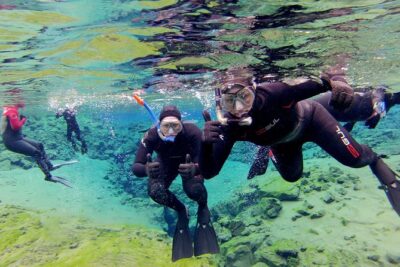 ★ 5.0Silfra Drysuit Snorkeling with Free Photos – Meet on LocationFrom $1401,299 reviews
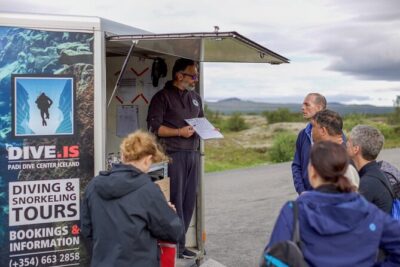 ★ 5.0Silfra: Snorkeling Between Tectonic Plates Pick Up from ReykjavikFrom $2251,187 reviews
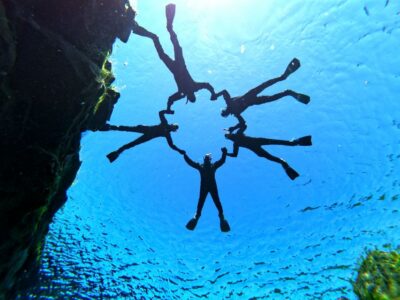 ★ 4.8Silfra: Half-Day Snorkeling Day Trip with Underwater PhotosFrom $1401,155 reviews
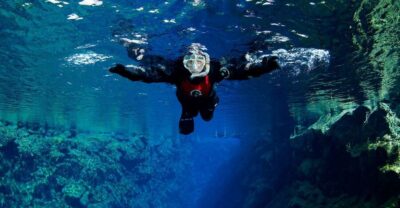 ★ 4.8Silfra: Snorkeling Tour Between Tectonic PlatesFrom $140720 reviews
 ★ 5.0Silfra Drysuit Snorkeling Tour with Free Photos – From ReykjavikFrom $189624 reviews
Browse the lists this tour appears in