
Review · SILFRA SNORKELING & DIVING
Silfra: Snorkeling Tour Between Tectonic Plates
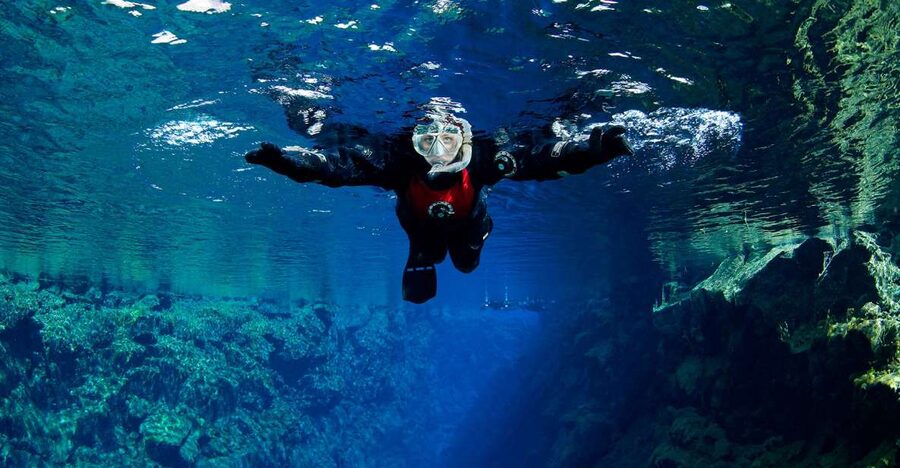
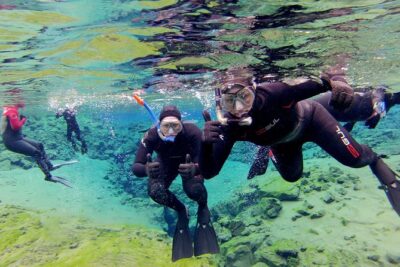
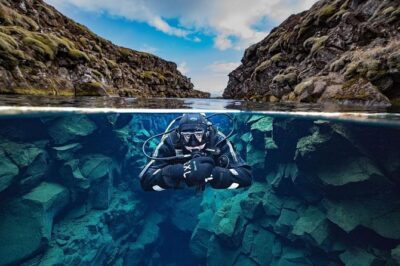
Float between tectonic plates in Iceland. This guided Silfra Fissure snorkeling is one of those rare trips where the scenery is geological, not scenic, and the water is so clear it feels unreal. I love the chance to drift right over the spots where the Eurasian and North American plates are pulling apart, guided at a calm, safe pace in a small group.
Two things I especially like: the 300 feet (100 meters) visibility that makes the underwater boulders and glacial silt look close enough to touch, and the way the tour sets you up with drysuit warmth plus a heated van and hot chocolate afterward. One possible drawback is that it is cold, and even with drysuits, your face and hands can feel chilly, so you should be ready for that reality.
In This Review
- Key takeaways
- Silfra Fissure: What Makes This Snorkeling Tour Feel Different
- Getting to Thingvellir and Meeting Your Guide Squad
- Suiting Up in a Drysuit: Warmth, Fit, and Cold Reality
- The Safety Briefing That Actually Helps You Enjoy the Water
- Your Underwater Route: Big Crack, Silfra Hall, Cathedral, and Lagoon
- Big Crack, the narrowest place
- Silfra Hall, where the fissure opens
- Silfra Cathedral at depth 23 meters
- Back out to Silfra Lagoon
- What You Really See: Glacial Colors and Plate Movement Without the Crowds
- Photo Time and That Post-Snorkel Warmth Moment
- Cost and Value: Is It Worth $140?
- Comfort Tips That Actually Improve the Experience
- Wear thick socks and thermal layers
- Plan for face cold
- Handle gloves and limited movement
- If you’re sensitive to tight gear
- Protect yourself from midges
- Who This Tour Suits Best (and Who Should Think Twice)
- Should You Book Silfra Snorkeling in Thingvellir?
- FAQ
- How long do I spend snorkeling in Silfra?
- What visibility should I expect in the water?
- Do I need to be a certified diver?
- What gear is included?
- Is hotel pickup included?
- What are the age and body limits?
- Can I cancel and can I pay later?
Key takeaways
- 100m visibility makes the underworld feel sharp, not hazy
- Big Crack to Silfra Cathedral is a route with changing widths and depth
- Small groups of 6 means more hands-on coaching when you’re suiting up
- Drysuit setup matters (warm underlayers and thick socks keep the cold manageable)
- Hot chocolate and cookies are a real morale boost at the finish
Not settled yet? These other Selfoss outings landed on our desk too.
Silfra Fissure: What Makes This Snorkeling Tour Feel Different
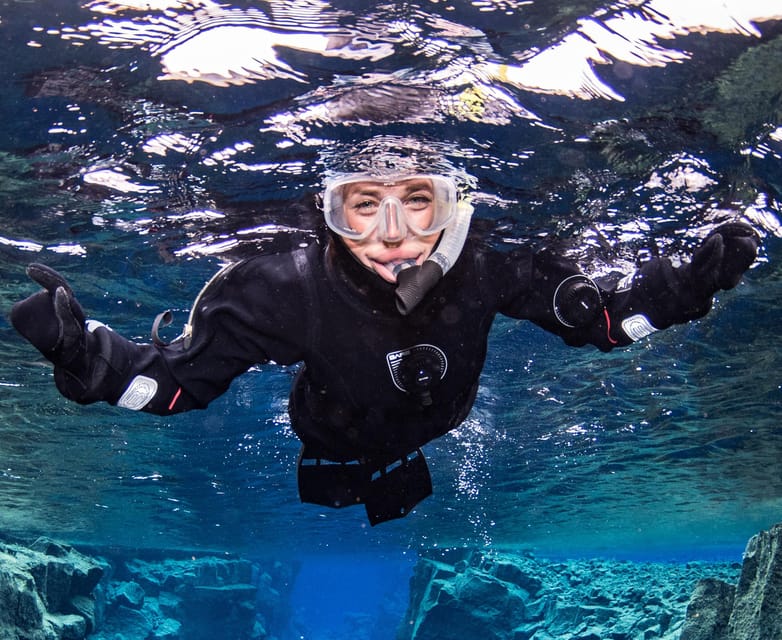
Silfra in Thingvellir National Park is famous for one reason: you snorkel in meltwater filling a fissure carved between two tectonic plates. Instead of marine life, your entertainment is geology. I like that shift. You are not chasing fish. You are watching Earth do its slow work, up close, under your mask.
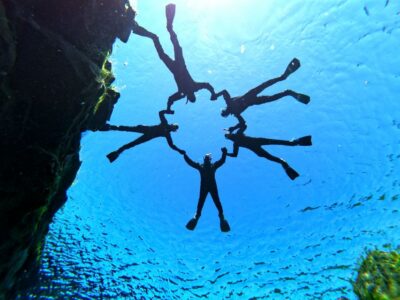
The water clarity is the big headline. You can get around 300 feet (100 meters) visibility, so even when you are floating in cold water, the view stays crisp. And because it is glacial meltwater, you also get those strange colors that look too clean to be real. The whole place has a museum-like quality, except you are inside it.
This tour is also structured for beginners and first-timers. You do not need any scuba certification. If you can swim and you feel comfortable in the water, the guided coaching is built around helping you get through the experience with confidence.
Getting to Thingvellir and Meeting Your Guide Squad
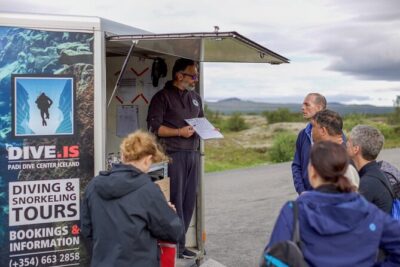
The tour runs out of Thingvellir National Park, on the Golden Circle area circuit. Depending on the option you choose, you may have a pickup in Reykjavík. The key practical point is simple: if you pick a pickup, you need to be ready at the time on your ticket, and the van is clearly marked with the tour operator logo.
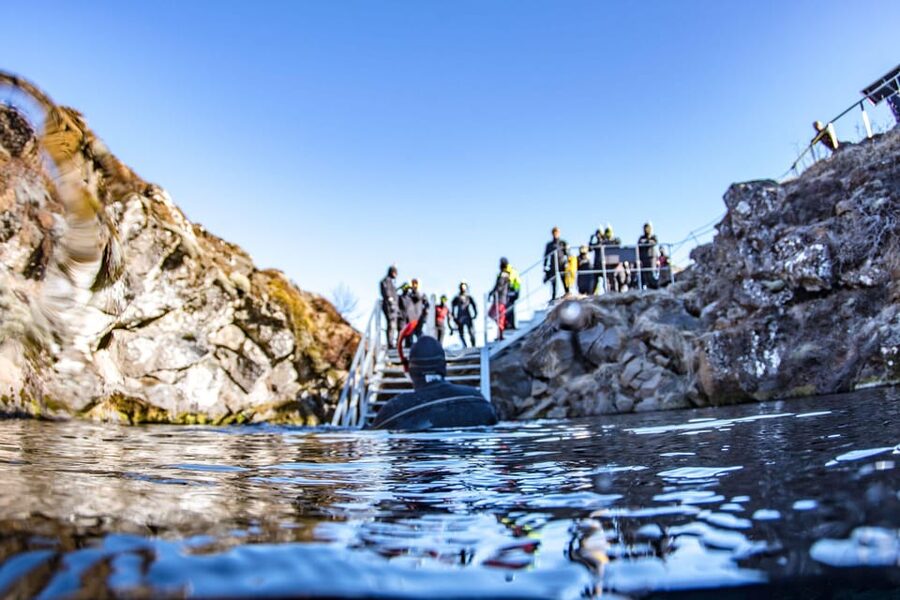
If you are meeting on your own, you go to the Silfra meeting area in Thingvellir. You turn into road 36, continue until you see the partner cars, and park at lot P5. From there, you walk a short distance on foot to the fissure. The tour keeps this portion straightforward, no mystery trek required.
One more thing I appreciate: the group size is capped at 6 participants and you are split into small groups with one guide per group. That small-number setup shows up during the most important moment, the drysuit fitting and the safety instructions.
Suiting Up in a Drysuit: Warmth, Fit, and Cold Reality
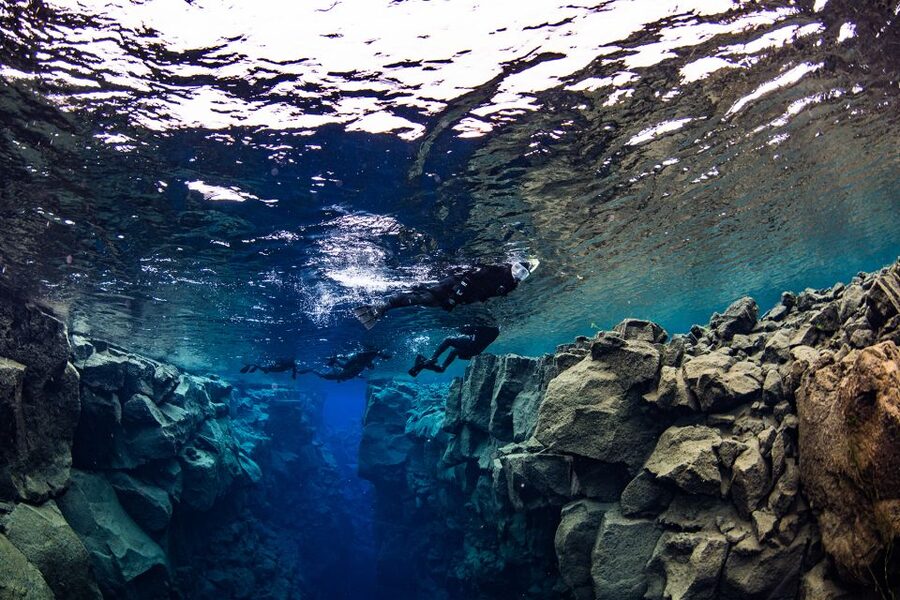
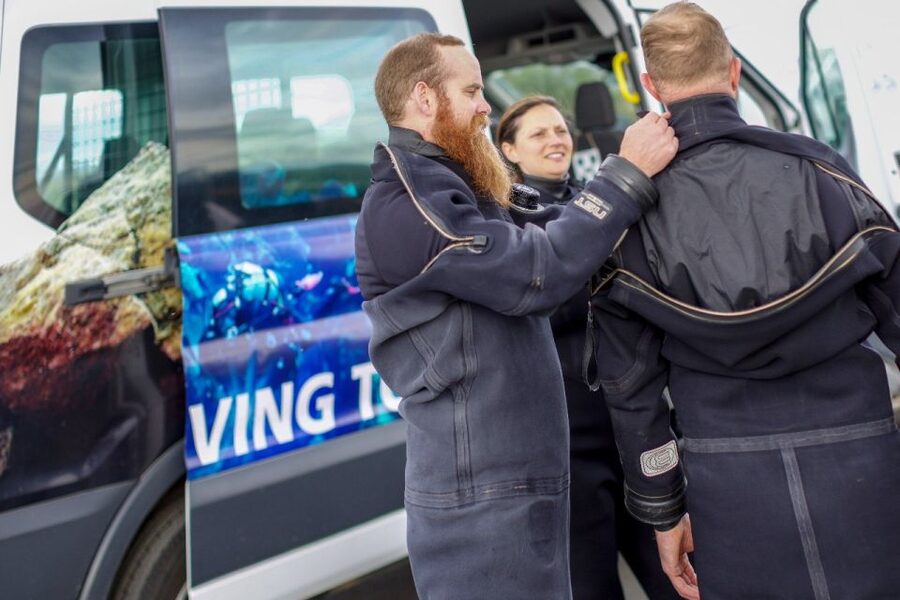
This experience is not like a summer snorkel. You will wear a drysuit and warm undersuit, plus snorkeling gear. The tour also provides a heated van so you can change in warmth before and after.
What I like about this is that it turns cold-water snorkeling from a guess into a system. The tour staff help you get the suit secured properly, and the guides stay hands-on. In real bookings, guides like Elsa, Filip, Nicolas, and Quim come up again and again for their hands-on support during the suit-up process.
Here is the cold reality you should plan for: even with drysuits, it’s usually not the full-body cold that gets you. Many people feel cold mainly around the face and sometimes hands and feet. That is why thermal underwear and thick socks are repeatedly recommended. Reviews also suggest bringing extra socks, with some people calling out that more layers on the feet make a huge difference.
If you wear glasses, bring contact lenses if you use them, because snorkeling in a mask is not set up for your normal eyewear.
The Safety Briefing That Actually Helps You Enjoy the Water
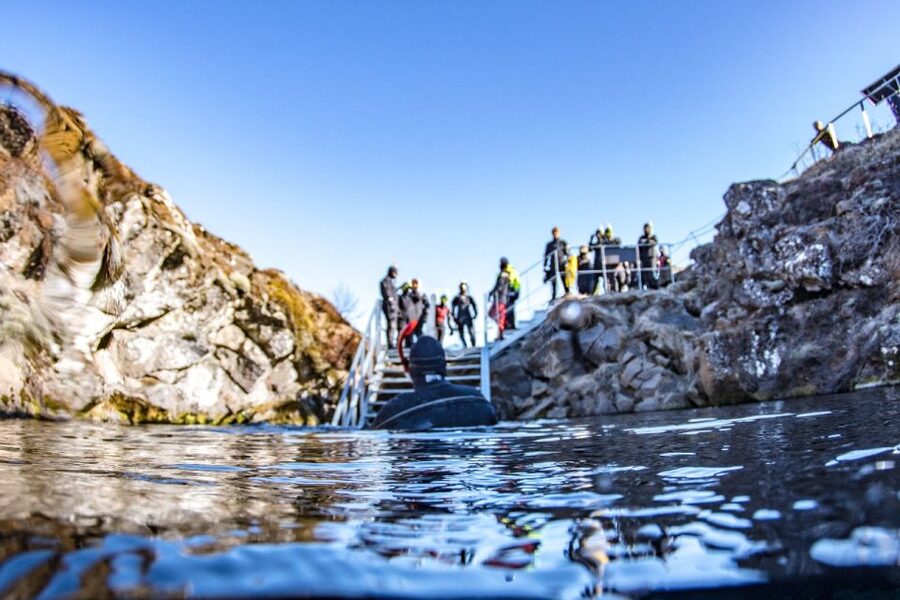
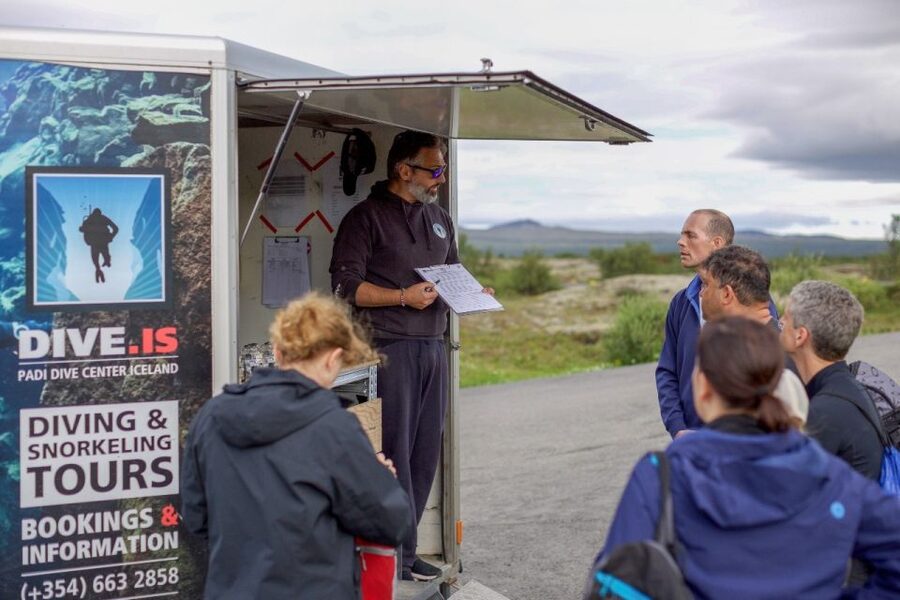
You start with a safety briefing. Total time on the day is listed as 2.5 to 5 hours, but you also get about 1 hour for the briefing and prep. That may sound like a lot, until you remember that your body is going into unfamiliar gear, unfamiliar cold, and a tight underwater route.
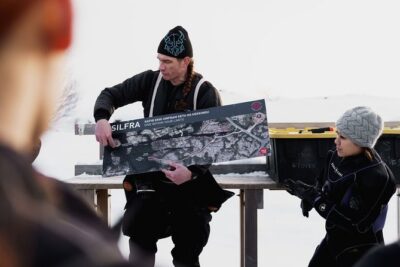
Guides talk you through how to handle the snorkel, how to move efficiently, and what to expect in each section of the fissure. A lot of the best feedback emphasizes that the guides make people feel calm before entering the water, including first-timers and people who were nervous about cold water.
A small but helpful detail: the drysuit fit can feel tight on land, especially around the collar. Several people note that it can feel slightly claustrophobic while you’re still on dry ground, but once you are in the water, the sensation changes. If you’re sensitive, tell your guide what you feel during the briefing, because they can guide your pace.
Your Underwater Route: Big Crack, Silfra Hall, Cathedral, and Lagoon
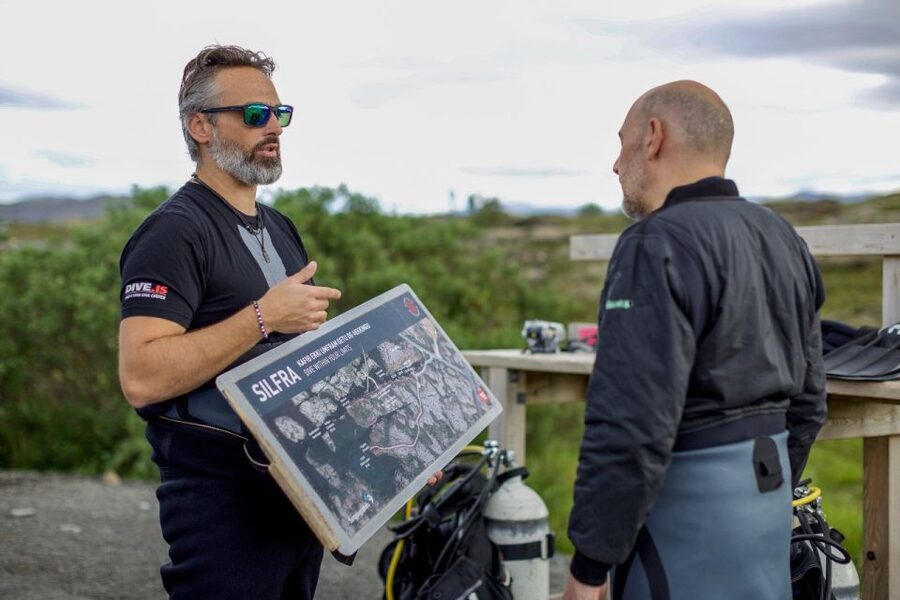
Once you’re geared up and walking from the entry area, your active snorkeling time is about 45 minutes in the water. That timing is a sweet spot. It gives you time to see the fissure sections without turning the cold into the main event.
The snorkeling path is not random. It is a guided route through changing geology:
Big Crack, the narrowest place
You float through the area called Big Crack, where the fissure is so narrow the tectonic plates are extremely close. This is the moment people describe as surreal. You are not just hearing about plate movement, you’re seeing the physical gap and its scale.
The narrow section can also affect how you look around. Because you are focused on staying balanced and moving the right way, you may not get every angle instantly. Go with the flow. Your guide will help you line up views.
Silfra Hall, where the fissure opens
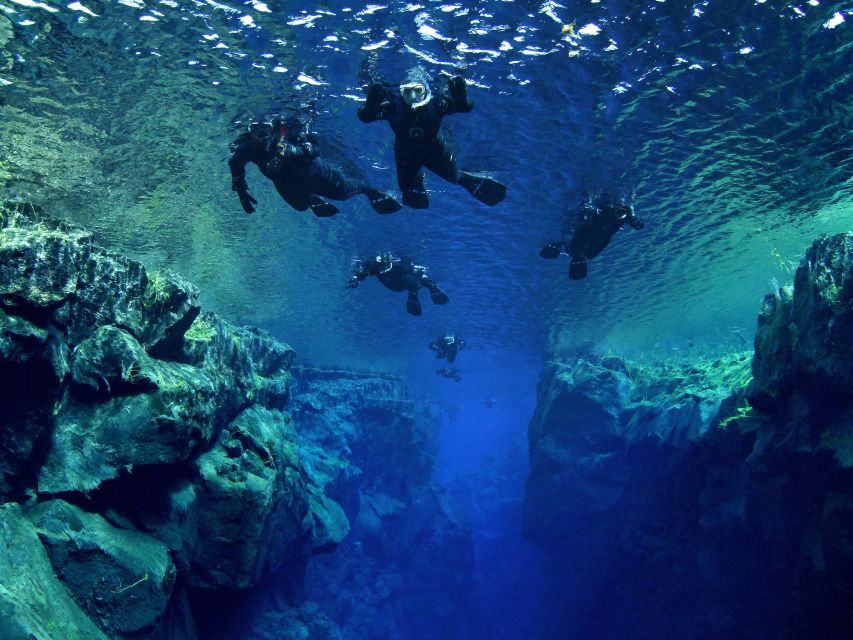
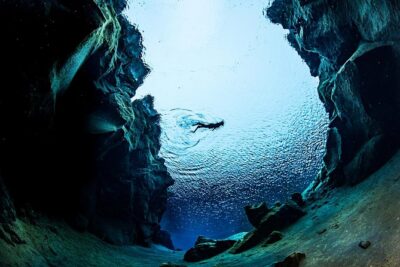
After the narrowest section, the fissure widens into Silfra Hall. This is where you can take in the boulders and the widening view. The water’s clarity makes depth cues look different than you expect, so it helps to relax your pace and let your eyes adjust.
Some people also find that floating feels a bit like snorkeling with a life jacket, because you are buoyant and high in the water column. That can make certain underwater angles harder, but it also means the experience is more comfortable for beginners.
Silfra Cathedral at depth 23 meters
You then enter Silfra Cathedral, reaching a depth of about 23 meters. This section gets described as feeling like flying over boulders and glacial silt. In a place with no crowds in your view, that depth plus clarity creates a strong sense of movement and scale.
Even though the tour is beginner-friendly, you should expect some sensory intensity. It is not scary in a chaotic way, but it can feel very different from typical snorkeling.
Back out to Silfra Lagoon
The snorkeling adventure ends at Silfra Lagoon. Then you warm up. The tour includes hot chocolate and cookies, which is more than a nice touch. It helps your body recover from the cold, especially after drysuit time when you’re still adjusting to normal comfort.
What You Really See: Glacial Colors and Plate Movement Without the Crowds
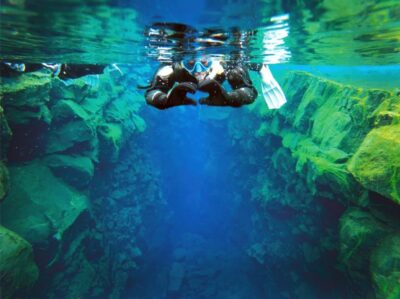
The best part here is what you learn visually. The fissure cuts through glacial meltwater, and you get those translucent colors that come from the silt and the way light travels in the water. The result is color and texture, not marine spectacle.
You also get a sense of scale that is hard to get anywhere else. One detail that stands out is that, from a right angle, you can see all the way to Lake Thingvallavatn, a distance over 150 meters away. Underwater, that distant reference point helps you anchor where you are and what direction you are facing.
Also, do yourself a favor and time your day smartly. Several reviews highlight the value of choosing an earlier session if you want fewer people in line and the fissure less crowded. You can see more and move more calmly when the flow is smoother.
Photo Time and That Post-Snorkel Warmth Moment
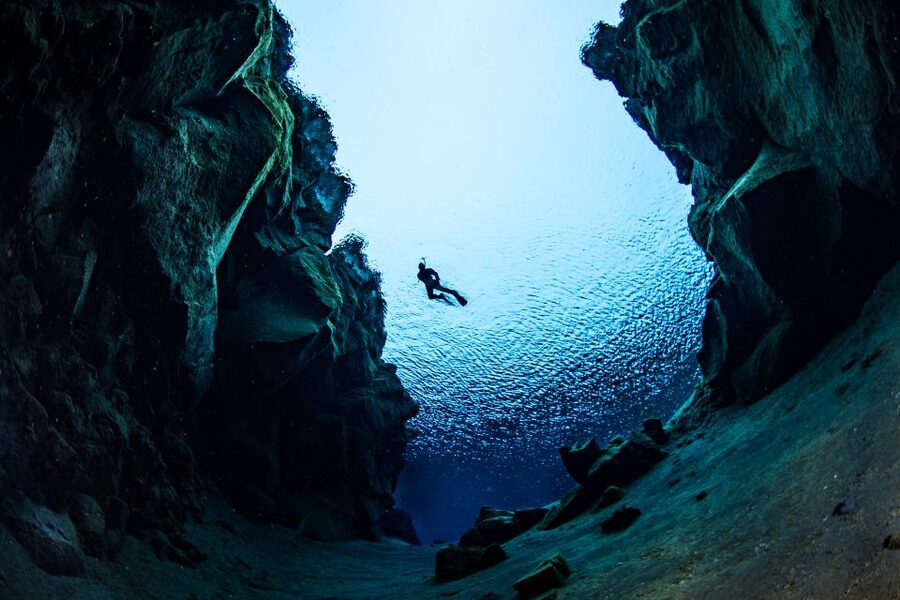
Underwater photos are a common bonus. Guides often take photos of you in the water, and you can purchase them afterward. Some guests are very happy with the photos and mention that guides like Elsa, Nicolas, and Gabe captured great shots.
One caution: photo pricing can feel pricey. One review mentions paying about $20 for only a couple of photos. So if you care about photography, go in expecting that you might buy a set, but also consider that the value depends on how many shots you get.
On the warm-up side, the day ends with hot chocolate and cookies in a setting where you can finally relax. The heated van and staff support during changing are also repeatedly praised as smooth and efficient.
Cost and Value: Is It Worth $140?
At around $140 per person, this tour is not cheap. But I think the value makes sense if you factor in what is included and what you are actually doing.
You’re paying for:
- Certified PADI instructor support and active guidance throughout
- Snorkeling gear and full drysuit setup
- A heated van so the cold part is controlled
- Entrance fee to Silfra (ISK 1,500)
- A structured route through the fissure, including the narrow and deeper sections
Most people are paying for the uniqueness. Seeing tectonic plates up close in a place with 100 meter visibility is simply not something you can replicate with DIY snorkeling. The guide time also matters, because your comfort depends on fit and coaching, not just gear.
If you already have top-quality snorkeling gear, your money is still going toward access, instruction, and the drysuit process. That’s the value equation I’d use when deciding.
Comfort Tips That Actually Improve the Experience
This is where you can make or break your enjoyment.
Wear thick socks and thermal layers
You’ll be in a drysuit and still feel cold at extremities. Multiple people suggest bringing extra warm socks, even three pairs of thermal socks. Your feet can get cold faster than you expect once you’re standing and then floating.
Plan for face cold
Even with a drysuit, your face is usually the coldest exposed area. Several reviews mention that it is mainly the face that feels chilly, and you adapt quickly.
Handle gloves and limited movement
Drysuit mittens can restrict fine movement, so using a phone with a waterproof pouch may be awkward. If you want action footage, you might bring a GoPro. One review specifically calls that out as easier than phone handling.
If you’re sensitive to tight gear
Some people feel a bit claustrophobic while suiting up, especially around the collar. Guides like Hanna and others are described as patient and reassuring during that transition. If you know you’re sensitive, tell your guide early so they can support you.
Protect yourself from midges
Thingvellir can have midges. One review notes bringing a mosquito head net, and that a net might be provided as well. If you’re prone to bites, it’s worth having a plan.
Who This Tour Suits Best (and Who Should Think Twice)
This snorkeling tour suits you if you:
- Can swim and feel comfortable in water
- Want a guided, structured experience with small group support
- Love geology and want visuals of tectonic plate movement, not just wildlife
It is not suitable for:
- Children under 12
- Pregnant women
- People over 264 lbs (120 kg)
- People under 4 ft 9 in (150 cm) or over 6 ft 6 in (200 cm)
- People under 99 lbs (45 kg)
Also, you must read and sign a medical statement. If you are 60 and over, you need physician approval.
If you struggle with cold water, this might still work for you, but you should be honest about how you react to chilly conditions. One review mentions a first-timer had a rough start but got support and improved quickly. The coaching can help, but it will not turn the cold into a warm pool.
Should You Book Silfra Snorkeling in Thingvellir?
Book it if you want a once-in-a-lifetime Iceland experience that is genuinely different from the usual waterfalls and viewpoints. The combination of 100 meter visibility, drysuit comfort systems, and the guided route through Big Crack, Silfra Hall, and Silfra Cathedral is hard to beat.
Skip or reconsider if cold-water gear makes you uncomfortable in general, if you do not meet height and weight rules, or if tight suits trigger serious anxiety. Also think twice if you want a lively sea-life snorkel. This is geology first.
If you’re still deciding, my practical advice is this: choose an earlier time slot if you can. It tends to make the day feel calmer, and you’ll enjoy the route more when the fissure is less busy.
FAQ
How long do I spend snorkeling in Silfra?
You spend about 45 minutes in the water, after a safety briefing.
What visibility should I expect in the water?
The tour describes visibility of up to 300 feet, or 100 meters.
Do I need to be a certified diver?
No. The activity is suitable for anyone over age 12 who feels comfortable in the water and knows how to swim.
What gear is included?
The tour includes snorkeling gear, plus a drysuit and a warm undersuit.
Is hotel pickup included?
Hotel pickup and drop-off are not included, but pickup may be optional depending on the option you select. You need to be ready at your designated pickup location if you choose pickup.
What are the age and body limits?
It is not suitable for children under 12. There are also limits based on weight and height, plus extra medical requirements.
Can I cancel and can I pay later?
You can cancel up to 24 hours in advance for a full refund. You can also reserve now and pay later.
More Tours in Selfoss
More Tour Reviews in Selfoss
More Selfoss write-ups from our desk
- Volcano Exhibition and Cinema – Lava Centre Iceland
★ 4.4 · 66 reviews - Silfra: Snorkeling Tour Between Tectonic Plates
★ 4.8 · 720 reviews
Silfra Snorkeling & Diving, compared.
 ★ 5.0Silfra: Snorkeling Between Tectonic Plates – Meet on LocationFrom $1545,001 reviews
 ★ 4.9Silfra: Fissure Snorkeling Tour with Underwater PhotosFrom $1482,731 reviews
 ★ 4.7Reykjavík: Silfra Fissure Snorkeling between Two ContinentsFrom $1401,712 reviews
 ★ 5.0Silfra Drysuit Snorkeling with Free Photos – Meet on LocationFrom $1401,299 reviews
 ★ 5.0Silfra: Snorkeling Between Tectonic Plates Pick Up from ReykjavikFrom $2251,187 reviews
 ★ 4.8Silfra: Half-Day Snorkeling Day Trip with Underwater PhotosFrom $1401,155 reviews
 ★ 5.0Silfra Drysuit Snorkeling Tour with Free Photos – From ReykjavikFrom $189624 reviews
 ★ 5.0Silfra: Diving Between Tectonic Plates and Pick Up from ReykjavikFrom $325590 reviews
Browse the lists this tour appears in