
Review · VOLCANO & LAVA FIELD TOURS
Volcano Exhibition and Cinema – Lava Centre Iceland
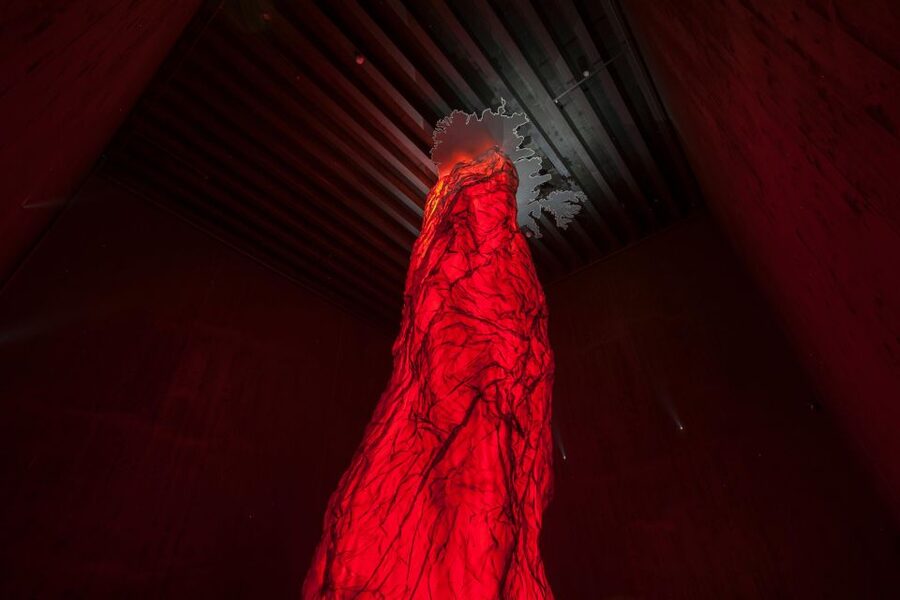
Volcanoes feel close here. At Lava Centre in Iceland’s south, you walk through hands-on geology, then watch eruption footage in the cinema and step onto an observation platform facing major volcanoes like Eyjafjallajökull, Katla, and Hekla.
I especially love the interactive exhibits that turn big ideas into clear, walk-up learning, and the earthquake station that pairs a live map with a simulated quake you can feel.
One drawback to note is that food and drinks are not included, so you’ll want to plan a snack or meal nearby before or after.
In This Review
- Key highlights you should care about
- Why this Lava Centre stop works so well in Iceland’s south
- Price and what you truly get for around $42
- How the exhibition teaches you Iceland’s volcano story, not just facts
- Trembling Earth: live earthquakes and the simulator moment
- Fiery Heart of Iceland: magma up-flow, hotspots, and cause and effect
- Magma Learning Center: volcanic structures and how tephra forms
- Local Volcano views: panoramic scenes from active but dormant volcanoes
- Cinema time: latest eruptions and big-screen eruption scale
- How long you need, and who this trip suits best
- Tips to make your visit smoother (and get more from it)
- Should you book Lava Centre Volcano Exhibition and Cinema?
- FAQ
- How long is the Volcano Exhibition and Cinema visit?
- What is included with the ticket?
- Are food and drinks included?
- Does the experience provide ear protection or flashlights?
- Is the venue wheelchair accessible?
- What languages are offered?
- What volcano topics are covered?
- Is there an earthquake feature during the visit?
- Does the cinema show recent eruptions?
- What are the cancellation and booking options?
Key highlights you should care about
- Live earthquake map plus simulator for a real sense of how Iceland’s geology behaves day to day
- Fiery Heart of Iceland display explaining how magma rises at diverging boundaries and how a hotspot factors in
- Magma and tephra learning with clear definitions of magma, lava, and airborne tephra
- Cinema showing recent eruptions, including the Grindavík area and Blue Lagoon-linked events
- Observation deck views over active but dormant volcano groups and volcanic islands
Not settled yet? These other Selfoss outings landed on our desk too.
Why this Lava Centre stop works so well in Iceland’s south
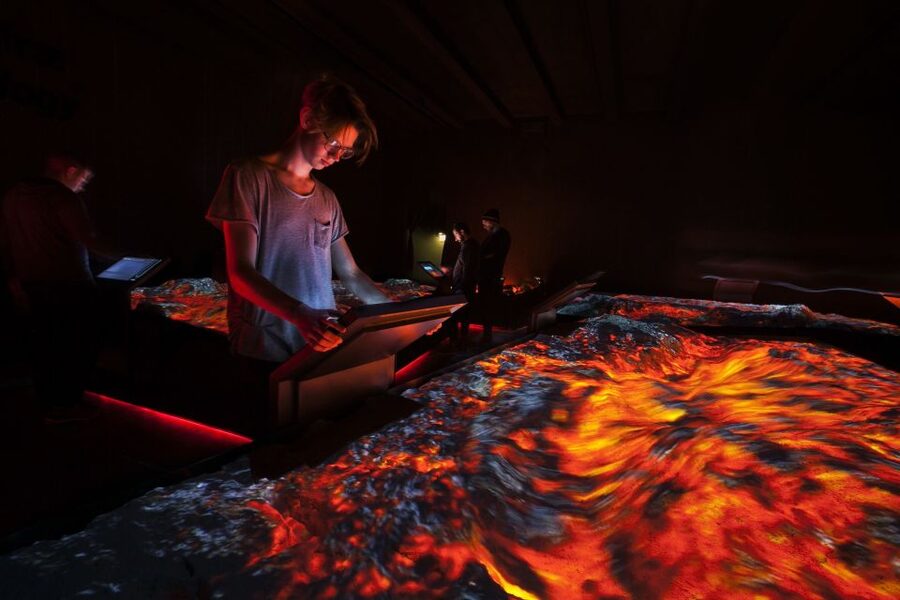
The Lava Centre is a strong choice if you want volcano geology without committing to a long hike or hours of logistics. It’s built around learning, with the bonus of a proper viewing platform when you want the scenery to do some of the teaching.
The setting matters. You’re in the southern region of Iceland, and the center is designed to point you toward the big names you keep hearing about: Eyjafjallajökull, Katla, and Hekla. That context is what makes the information stick. Instead of reading about volcanoes in the abstract, you get a sense of how these systems shape the land around you.
Also, it’s a one-day activity. For many road trips, that’s the sweet spot: enough time to learn and see, without feeling like another “half of your day” disappears.
Price and what you truly get for around $42
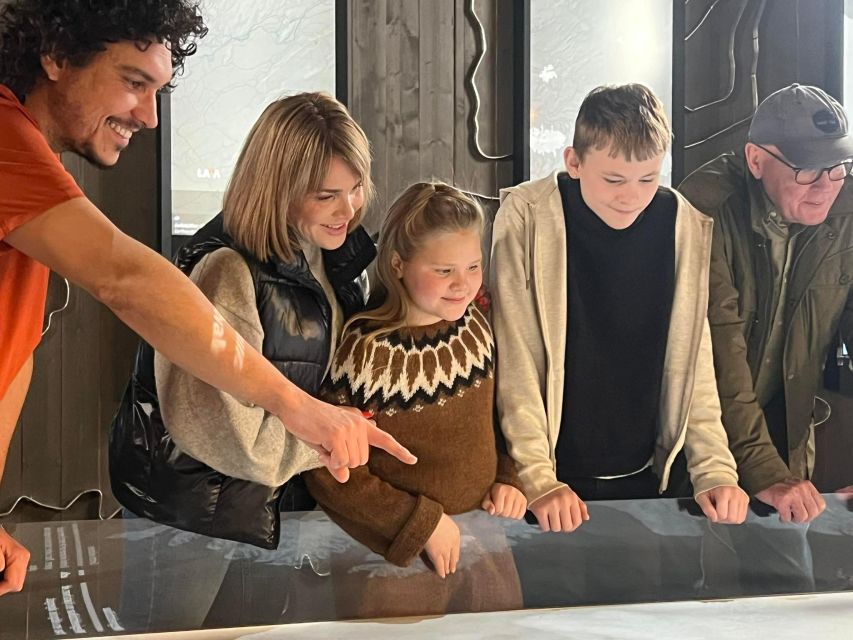
At about $42 per person for a 1-day visit, you’re not just buying access to a building. Your ticket includes the exhibition, cinema, and the observation deck. That combination is the value play here. You can learn the science indoors and then connect it to what you see outside.
A few included extras are also genuinely practical. You get ear muffs, flashlights, and support teddy bears for younger kids, and the venue is wheelchair accessible. Those details tell you this place is designed for families as well as adults, and it’s set up for people who might need a little help getting comfortable in the experience.
The main thing to watch is simple: food and drinks are not included. If you’re the type who hates “find food later” stress, add a meal plan to your day so you’re not hunting when you’re tired.
How the exhibition teaches you Iceland’s volcano story, not just facts
The exhibition is built like a guided journey through how Iceland gets made. You start with the overall idea that Iceland is shaped by active volcano systems and constant movement in the Earth below. From there, the displays focus on what’s happening underground, how eruptions produce different materials, and how those materials become part of the landscape you see above.
One section frames Iceland as a mix of diverging tectonic plate movement and a mantle plume, often described as a hotspot beneath the country. The key is that this is explained with cause and effect, not just naming volcanoes. You learn that magma rises where plates pull apart, and you also learn how the hotspot beneath Iceland contributes to the overall volcanic energy.
You’ll also see a lot of useful terminology clarified on the spot. The center doesn’t treat magma, lava, and tephra as random vocabulary. It explains the difference: magma is molten rock underground, lava is what you call it once expelled during an eruption, and tephra is airborne material created during explosive activity.
I liked that the experience doesn’t assume you already speak geology. It’s paced so you can follow along even if you only remember a few terms from school.
Trembling Earth: live earthquakes and the simulator moment
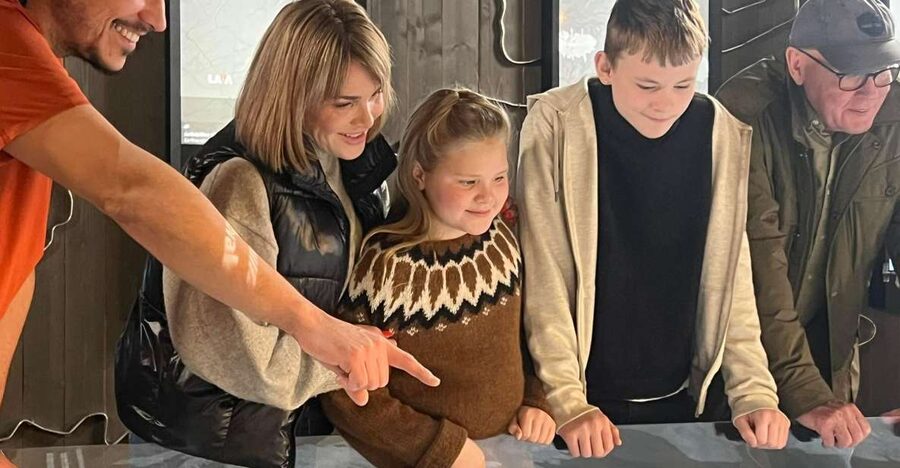
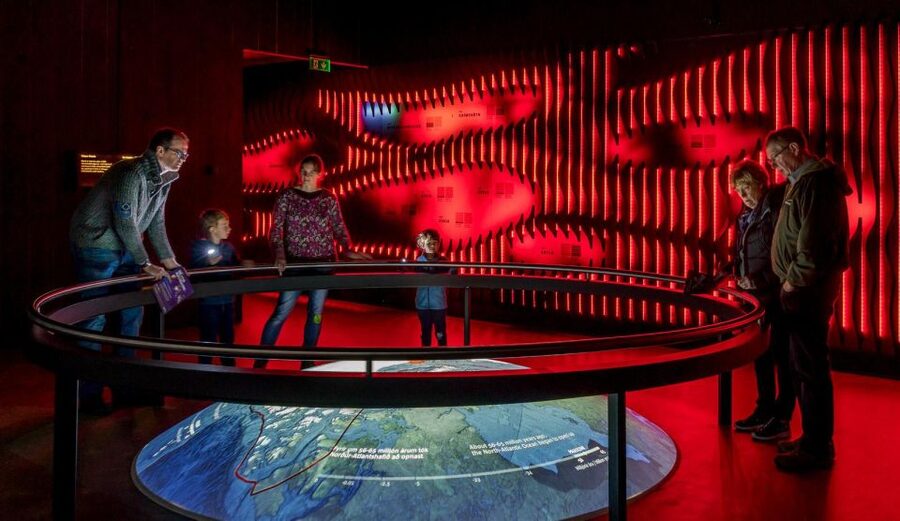
If you’re trying to understand Iceland’s frequent earthquakes, this is the section that makes it feel real. You can see earthquakes displayed live on a map, and then you get a dramatic simulated earthquake experience.
The science behind it ties to tectonic plate movement and rising magma. In plain terms, the display connects the dots between diverging plates, pressure changes underground, and the shaking you feel on the surface.
What I think you’ll appreciate most is the pairing. The live map tells you this isn’t just a one-off story. The simulator gives you a visceral reminder that earthquakes aren’t abstract. They have rhythm, noise, and impact.
Practical note: if you’re sensitive to loud sound or strong special effects, treat this simulator section like a theater moment. You might want to step away briefly before or after it, so the rest of the exhibits stay enjoyable.
Fiery Heart of Iceland: magma up-flow, hotspots, and cause and effect
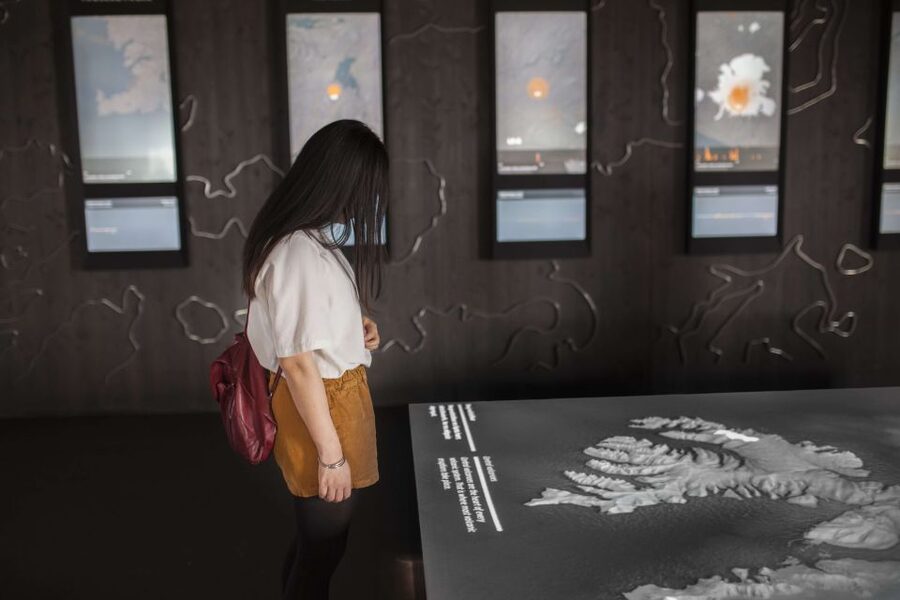
The Fiery Heart of Iceland display is where the exhibition slows down and explains the engine room. You learn about the normal up-flow of magma at diverging plate boundaries, and how it interacts with a mantle plume, often described as a hotspot beneath Iceland, pinpointed in the central highlands.
This is a useful part of the visit because it helps you connect multiple Iceland signatures. The highlights point to why Iceland has black sands, geysers, and colorful mountains, and the display gives you the logic behind those outcomes. Volcanic heat and material movement shape the chemistry and geology. That’s what drives the kind of landscapes you hear about on postcards and in documentaries.
I found it helpful that the explanation is built from mechanisms you can picture: magma rising, eruptive material changing names as it moves, and how underwater interactions can make eruptions more explosive.
Magma Learning Center: volcanic structures and how tephra forms
The Magma Learning Center focuses on volcanic structures and how eruptions produce different results. It’s not just a diagram wall. You get a clearer sense of how volcanic systems connect and how varied Iceland’s volcanoes really are.
A standout detail is the attention to tephra. You learn that tephra forms when magma encounters water or ice, or when the magma is very viscous. In these conditions, magma splinters into pieces of different sizes, and those fragments can spread over wide areas.
That matters because it connects geology to what you might see later on a trip. Even if you’re not standing inside a crater, tephra is part of what shapes soil and land patterns across regions.
This section is also a good place to go if you like learning by visual cues. The structure-focused approach means you can understand how different types of volcanoes behave and why volcanic systems can create rapidly changing scenery.
Local Volcano views: panoramic scenes from active but dormant volcanoes
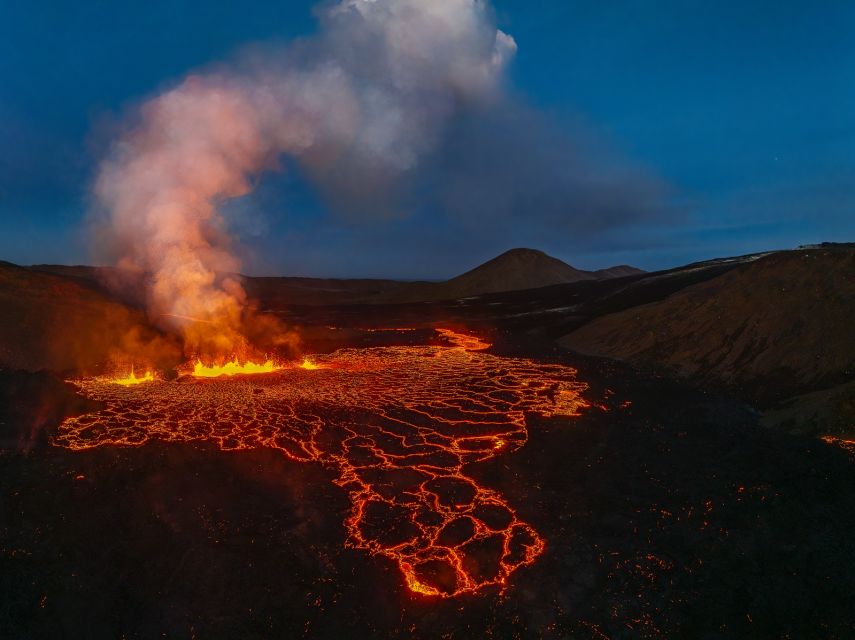
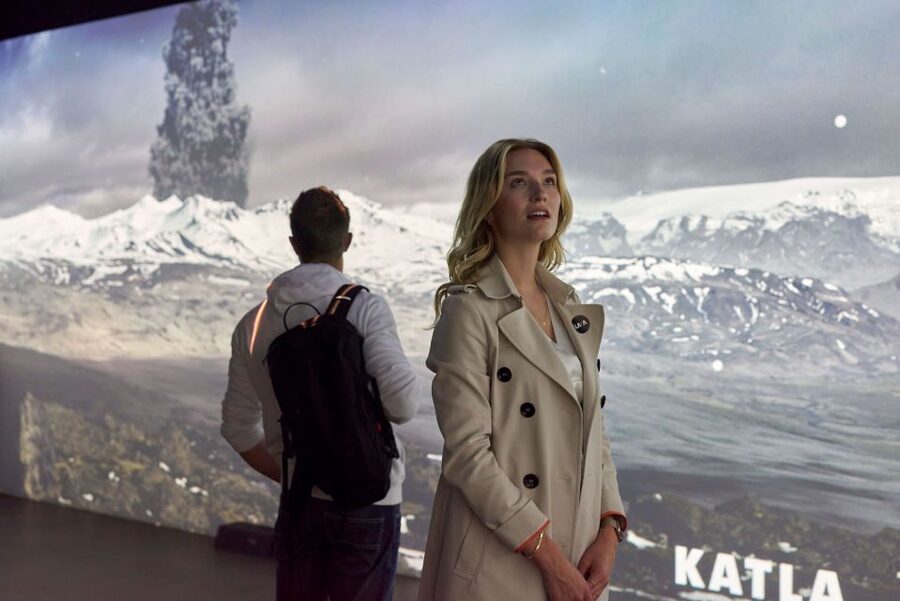
The Local Volcano section gives you a panoramic view of four large volcanoes described as active but dormant, plus a group of volcanic islands. From the viewing deck, you get the same idea in a more open, real-world framing.
The key point is variety. All of these volcanoes are different in type and nature, and the center notes that two of them are among the most active and productive volcanoes in Iceland.
Even if you don’t memorize each volcano name, you’ll leave with a better mental model of how varied volcanic activity can be. Dormant doesn’t mean inactive forever, and “active” doesn’t mean the same behavior every time. Iceland’s systems can shift, and the experience helps you understand why.
Cinema time: latest eruptions and big-screen eruption scale
After you’ve built some background in the exhibition, the cinema makes a lot more sense. You watch the latest eruptions on screen and see them in a way that’s hard to replicate with casual sightseeing.
The highlights specifically mention eruptions in the Grindavík area and events connected to the Blue Lagoon. That’s valuable because it ties the science back to real places people recognize, rather than treating eruptions like distant rumors.
From my perspective, the cinema is also the best reset for visitors who need a break from reading and walking between stations. It gives you a different learning channel: motion, sound, and scale. It also helps you compare what you learned about magma and tephra to what you see during active events.
How long you need, and who this trip suits best
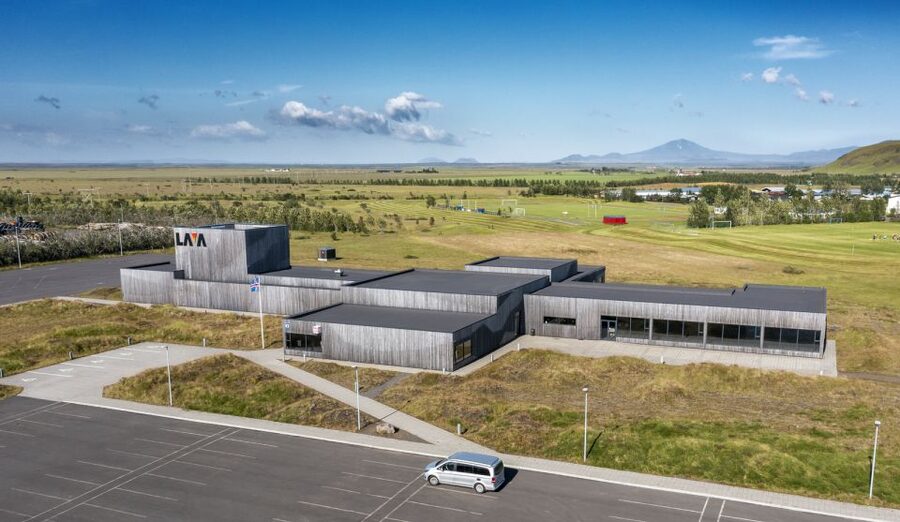
You can treat the Lava Centre as a compact geology day. One solid strategy is to plan for around an hour if you want the highlights without rushing. If you love stations and want extra time at Earth-quake learning and the viewing deck, give yourself more room.
This is a great fit for:
- Families with kids, because the experience includes support teddy bears and is set up for learning through interaction
- Anyone with short time in Iceland’s south who still wants meaningful volcano context
- Travelers who like science explanations but don’t want them to feel like homework
- People who want a strong experience even if weather is poor, since key learning is indoors
If your trip is built around hiking only and you want outdoors action every minute, you might find this less aligned with your style. The center is still about volcanoes, but it’s a focused indoor learning and viewing experience rather than a full-day trek.
Tips to make your visit smoother (and get more from it)
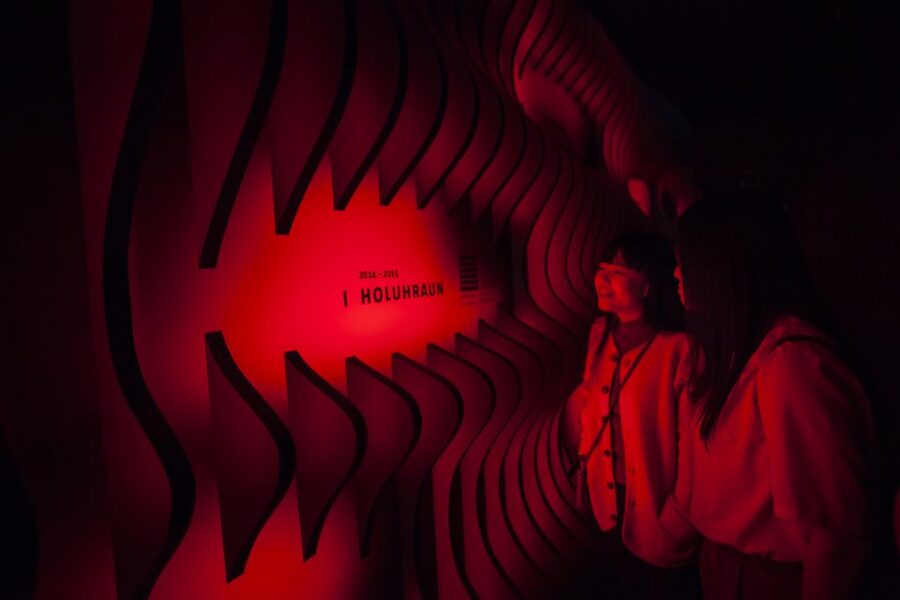
A few practical moves can help you enjoy the experience more and worry less:
- Dress for cool conditions even if you feel warm inside. You’ll use the observation deck, and Iceland weather can shift.
- Since food and drinks are not included, plan a simple meal or snack break before you arrive or after you leave.
- If you’re visiting with young kids, the included ear muffs and flashlights can make the experience easier, especially for sections that benefit from closer attention.
- For the earthquake simulator, choose your comfort level. Step in for the moment, then give yourself space afterward.
One small detail I appreciated is how clearly the center frames the learning journey. The displays build on each other, so you get more out of the cinema if you’ve already met the terms like magma, lava, and tephra.
Should you book Lava Centre Volcano Exhibition and Cinema?
Book it if you want a high-value volcano education day that stays accessible, interactive, and connected to the Iceland volcanoes you’ll see and hear about. The combination of exhibition plus cinema plus observation deck is what makes the ticket feel fair, and the earthquake map plus simulator is the kind of hands-on moment that sticks.
Skip it or downgrade it in priority if you’re mainly after long outdoor adventures or you want a more remote, off-site volcano experience. This is the place to understand volcanoes up close through learning stations and viewpoints, not a substitute for extended wilderness time.
If your Iceland plans include at least a few hours in the south, this is one of the better “do something meaningful” stops you can add without wrecking your schedule.
FAQ
How long is the Volcano Exhibition and Cinema visit?
It’s valid for 1 day.
What is included with the ticket?
Entrance fee to the Lava Centre exhibition, cinema, and the observation deck.
Are food and drinks included?
No, food and drinks are not included.
Does the experience provide ear protection or flashlights?
Yes. Ear muffs, flashlights, and support teddy bears for younger kids are included.
Is the venue wheelchair accessible?
Yes. It is wheelchair accessible.
What languages are offered?
English and Icelandic.
What volcano topics are covered?
You’ll learn about active volcanoes in Iceland, volcanic structures, and eruption materials including magma, lava, and tephra, plus topics tied to Iceland’s geysers and black sands.
Is there an earthquake feature during the visit?
Yes. You can see live earthquakes on a map and experience an earthquake simulator.
Does the cinema show recent eruptions?
Yes. The cinema shows the latest eruptions, including the Grindavík area and events connected to the Blue Lagoon.
What are the cancellation and booking options?
There is free cancellation up to 24 hours in advance for a full refund. You can also reserve now and pay later.
More Tour Reviews in Selfoss
More Selfoss write-ups from our desk
- Volcano Exhibition and Cinema – Lava Centre Iceland
★ 4.4 · 66 reviews - Silfra: Snorkeling Tour Between Tectonic Plates
★ 4.8 · 720 reviews
Volcano & Lava Field Tours, compared.
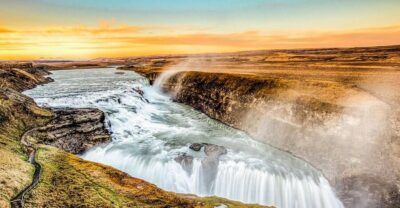 ★ 4.8Reykjavik: Golden Circle Full-Day Tour with Kerid CraterFrom $8224,485 reviews
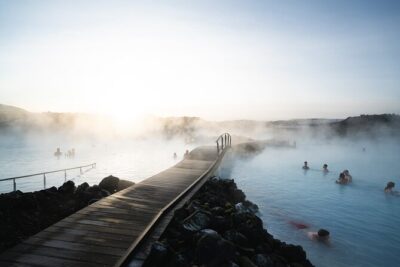 ★ 5.0Small-Group Golden Circle, Blue Lagoon with Ticket & Kerid CraterFrom $2495,631 reviews
 ★ 4.9Reykjavik: Golden Circle, Kerid Crater, & Blue Lagoon TourFrom $2434,351 reviews
 ★ 4.8Reykjavik: LAVA SHOW – Immersive Experience Entry TicketFrom $543,360 reviews
 ★ 5.0Lava Show Reykjavik Admission Ticket – Optional Premium UpgradeFrom $543,278 reviews
 ★ 4.5Golden Circle with Kerid Volcanic Crater Day Tour from ReykjavikFrom $852,826 reviews
 ★ 4.8Reykjavik: Red Lava Horse Riding TourFrom $1422,383 reviews
 ★ 5.0The Lava Tunnel Tour – RaufarhólshellirFrom $742,373 reviews
Browse the lists this tour appears in