
Review · GLACIER HIKES & ICE CLIMBING
Sólheimajökull Glacier Hike & Ice Climbing Intro – Small Group
Real ice walls, in just half a day. This Sólheimajökull glacier hike and ice climbing intro is one of the few ways you can step onto Iceland’s glacier and climb real blue ice with proper gear and coaching. I like that you get hands-on instruction even if you have zero experience, and I also like the small-group size that keeps attention on you. One key consideration: you must wear ankle-support hiking boots, and crampons are only available for EU shoe sizes 35 to 50, so fit matters.
From the yellow school bus meetup to the walk back to Solheimajökull Café, the day is built around safety, learning, and that unreal glacier scenery. You’ll hike uneven ground for a few kilometers, get fitted with harness, helmet, crampons, and an ice axe, then try introductory climbing on the glacier’s icy features. If you’re hoping for a super-easy stroll with no effort, you might find it more work than you expect, especially on cold days.
In This Review
- Key highlights to know before you go
- Sólheimajökull Ice Walls: the “intro” that still feels real
- Meeting the yellow bus, getting fitted, and staying warm
- On the glacier: hike first, then learn the ice climbing basics
- Crevasses, ice caves, and the safety mindset you should expect
- Fitness reality: 3 to 4 km on uneven ground, plus climbing work
- Waterfall bonus stops: Seljalandsfoss and Skogafoss from Reykjavík
- Value and pricing: what $211.72 buys you (and what it might not)
- Why the small-group format matters on ice
- Who should book this ice climbing intro, and who should skip it
- Should you book Sólheimajökull Glacier Hike & Ice Climbing?
- FAQ
- How long is the Sólheimajökull glacier hike and ice climbing intro?
- Do I need prior ice-climbing experience?
- Where do I meet, and where does the tour end?
- If I select pickup, when should I be ready?
- What footwear and shoe sizes are required?
- Is the tour dependent on good weather?
Key highlights to know before you go
- Real ice climbing on Sólheimajökull with guided technique for beginners
- Safety gear included: harness, helmet, glacier crampons, and ice axe
- No prior experience needed, but you still learn how to move safely on ice
- Small group format (max 8) for more personal attention on the glacier
- Expect some soreness, especially in calves, because you’re hiking and climbing
- English-speaking certified glacier guide with a thorough safety briefing
More crampon days, from gentle walks to roped climbs
Sólheimajökull Ice Walls: the “intro” that still feels real
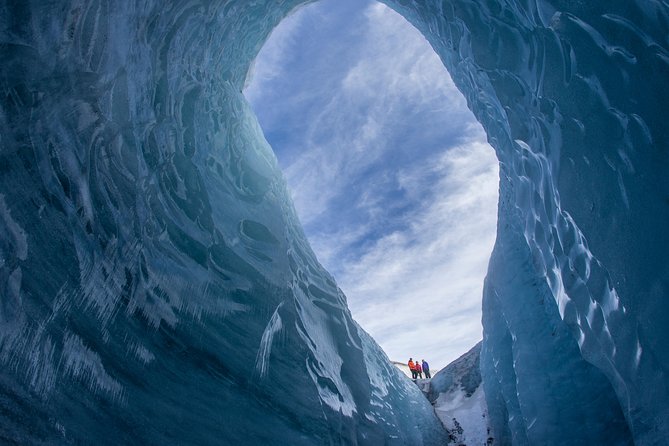
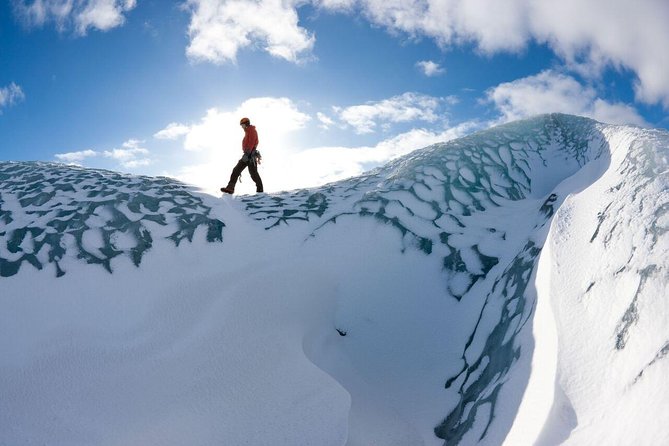
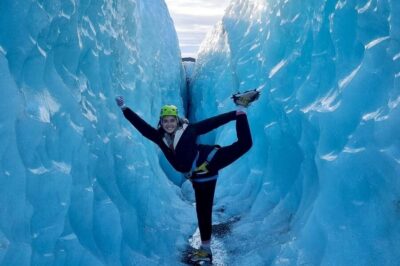
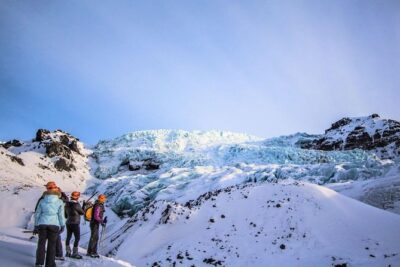
This is called an intro for a reason. The goal is to get you confident enough to climb and move on real glacier ice, not to leave you frozen in the parking-lot metaphor. You’ll start with a safety briefing and gear fitting, then you’ll spend the time on glacier terrain: crevasses, ridges, and dramatic ice formations in shades of blue.
What I find especially valuable is that you’re not just looking. You’re learning how glacier travel works, and why glaciers look the way they do. The guides teach how the ice formed and how the glacier has receded over time, which makes the scenery hit harder. When you understand what you’re standing on, the ice cave and the split-open cracks stop being random “cool rocks” and start being a living system.
Also, the guide humor and relaxed confidence matter. Several guides get mentioned as fun and personable while still keeping safety tight. Names that show up in guide feedback include Daniel and Monica, plus Gaia, and guide pairs such as Alberto and Claudia, along with Francesco and Steve. You cannot count on a specific person, but you can count on the vibe: serious on safety, friendly on the glacier.
Meeting the yellow bus, getting fitted, and staying warm
Your start point is the Sólheimajökull glacier parking lot (221, 871, Iceland). You’ll meet your guide by the yellow school bus, then get fitted with glacier safety equipment. The tour uses a mobile ticket, and the guide will go over what to do before you ever step on the ice.
Two practical things to plan for:
- Pickup takes time. If you selected Reykjavík pickup, the process can take up to 30 minutes, and you should be ready at your pickup location by 8:00.
- Footwear is not optional. The tour requires hiking boots with ankle support. If you don’t have suitable boots, you can rent sturdy options, and you will want to budget time and temperature for getting properly set up.
The crampons are the real gatekeeper. The specialized glacier crampons are available only for EU shoe sizes 35 to 50. If your shoe size is outside that range, the tour isn’t a match. Also, the minimum age is 14, so plan for that if you’re traveling as a family.
Clothing matters too. Even when the fit is right, glacier air bites. You’ll be outside for hiking and climbing, and the gear can make you feel more secure while still not making you warmer. Bring layers you can move in, plus a waterproof jacket and pants if you have them, since renting is only mentioned generally and you do not want to improvise in cold wind.
On the glacier: hike first, then learn the ice climbing basics
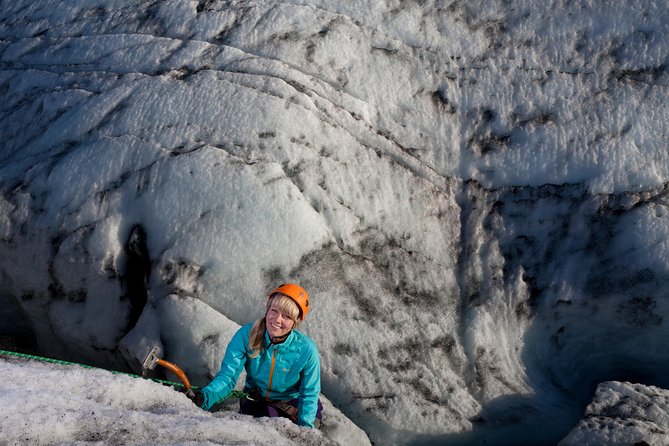
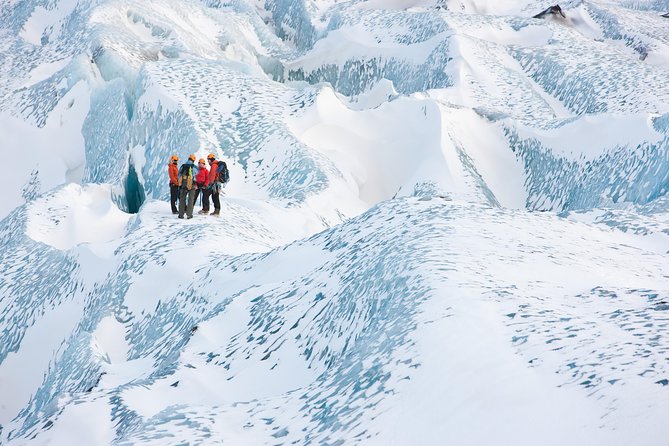
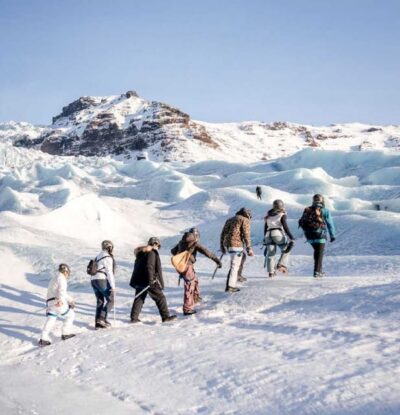
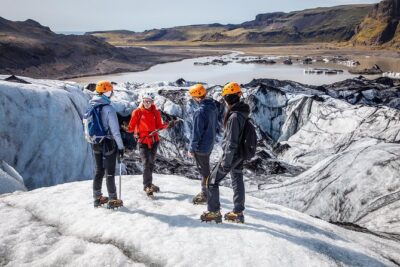
The glacier portion is the heart of the tour. After gear fitting, you set out across the ice on a mix of walking and learning. You’ll move through a world of frozen crevasses, caves, and sinkholes, plus ridges where you’ll practice control.
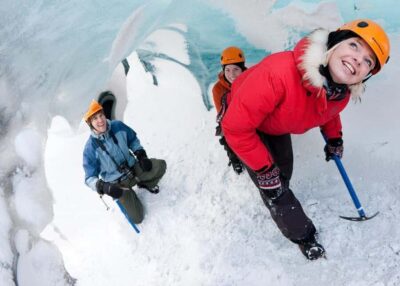
You do not need prior ice-climbing experience. Instead, you’ll get taught basics like:
- how crampons help you grip
- how to hold and place an ice axe safely
- how to move your body to stay stable on uneven ice
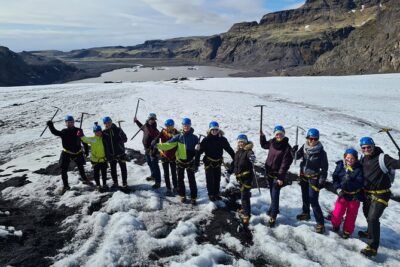
This is where the small group size pays off. With a max of 8 people per glacier guide, you get coached when you need it. That matters because glacier movement is not just “walk carefully.” You’re balancing, stepping on different ice textures, and learning a technique that takes a few minutes to click.
One more thing I appreciate: the guide pace feels designed for learning. In feedback from people who did this as true first-timers, there’s a consistent theme of good pacing and patience. You might still work hard, but you’re not rushed out of your comfort zone.
Other Vik outings that keep coming up in our notes
- Sólheimajökull Glacier Hike – Small Group Blue Ice Adventure★ 5.0 · 497 reviews
- Zipline and Hiking Adventure Tour in Vík★ 5.0 · 336 reviews
- Vik: Guided Glacier Hike on Sólheimajökull★ 4.7 · 265 reviews
- Vik: Guided Sólheimajökull Glacier Hike★ 4.7 · 233 reviews
- From Vík: Zipline and Hiking Adventure Tour★ 5.0 · 138 reviews
Crevasses, ice caves, and the safety mindset you should expect
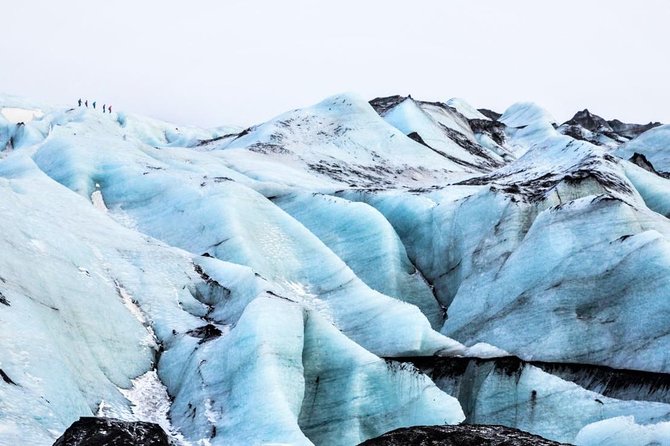
You’ll be on ice terrain that can look smooth until you notice the cracks and gaps. That’s why the tour emphasizes a safety briefing before you start climbing.
Here’s how I’d frame it: glacier travel is a “small mistakes add up” environment. So the guide keeps the focus on:
- staying together as a group
- following instructions for where to step
- using the correct gear the right way
- understanding what the ice features mean (and why they matter)
Even if the ice looks like a playground, you’re actually in a place where weather and ice conditions can change. That’s also why the tour is weather dependent. If visibility or conditions are poor, you might be offered a different date or a refund.
As for the experience itself, expect the scenery to feel otherworldly. People often mention ice formations and quiet climb spots, including areas where guides manage to find calmer conditions. Since ice formations can change, the exact “wow moment” can shift, but the feel is usually the same: you’re watching ice layers and textures that most people never see up close.
Fitness reality: 3 to 4 km on uneven ground, plus climbing work
Even though it’s an “intro,” you should treat it as active. The tour asks for moderate physical fitness and comfort walking 3 to 4 km on uneven terrain. That means uneven ice, cold surfaces, and frequent attention to footing.
In practice, I’d prepare for:
- working legs on the hike
- using upper body a bit during ice climbing movements
- feeling it the next day, especially calves
One helpful mindset: strength is not just muscles. It’s also good technique, slow steps, and letting the guide set your rhythm. When you’re using crampons and learning to place your weight correctly, the climb becomes more about smart movement than brute force.
If you’re a beginner, the best strategy is simple: hydrate if you can, wear layers that keep wind out, and don’t fight the cold. The guide will handle the technical side, but your job is to communicate if something feels wrong and to keep moving within your limits.
Waterfall bonus stops: Seljalandsfoss and Skogafoss from Reykjavík
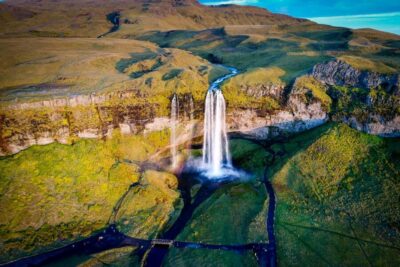
The tour description includes waterfall stops at Seljalandsfoss and Skogafoss, but the important detail is this: these stops are included from Reykjavík only.
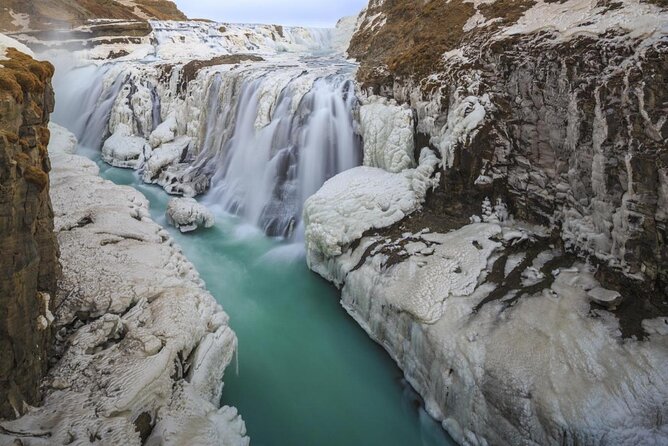
So if your day includes Reykjavík pickup, you may get a more classic Iceland road-trip feel alongside the glacier. Seljalandsfoss is known for the way you can get up close to the falls’ area, and Skogafoss is dramatic and wide, often giving strong photo moments even in variable weather. Still, it’s a trade-off: adding waterfalls means more time in transit and less time exactly at the glacier.
If you’re based near Vik or already in the area, you should clarify whether your version of the day includes those stops. The glacier time is the main event, and it’s what you’re paying for.
Value and pricing: what $211.72 buys you (and what it might not)
At $211.72 per person, you’re paying for something that costs real money to run safely: a certified glacier guide, glacier-specific training time, and specialized equipment like harnesses, helmets, glacier crampons, and ice picks/ice axe. That gear is not generic hiking stuff. It’s built for a specific environment and used by people who know exactly how to fit and deploy it.
What’s not included:
- Food and drinks
What might cost extra or require preparation:
- Required boots. You can rent waterproof options, but at least one experience shows that charging for required boots can feel like an add-on. The key is to plan for either bringing the right boots or budgeting for rentals so there are no surprise moments on the day.
Also, the climb itself is described as introductory and optional in some formats. Practically, if your body is ready and your gear fits, you should expect to do the ice climbing as part of the learning portion. Just know the tour is still designed around safety and group flow.
Bottom line on value: this price makes sense if you want guided access to a real glacier environment with proper gear. If your main goal is just photos without effort or instruction, you could spend less elsewhere. But if you want the skill and the real climb, this is one of the more cost-effective ways to do it responsibly.
Why the small-group format matters on ice
On paper, “small group” sounds nice. On a glacier, it’s functional.
With a maximum of 8 travelers, the guide can:
- check fit and technique more often
- manage spacing on the ice
- coach individuals without losing the group’s safety rhythm
This also helps when conditions change. Ice is dynamic. Even when you arrive expecting the same view, the guide can adjust routes and climb spots to keep things safe and manageable.
If you’ve ever had a tour where you feel like a passenger, this should feel different. You’re part of the process. You’re learning to climb and walk on glacier ice, not just watching someone else do it.
And yes, you’ll still want to dress and behave smart. This is not a “casual shoes” experience, and it’s not about proving toughness. The right vibe is curious, calm, and ready to follow instructions.
Who should book this ice climbing intro, and who should skip it
This tour is a strong match for you if:
- you want to try ice climbing with no prior experience
- you can walk 3 to 4 km over uneven terrain
- you’re comfortable handling cold weather and moving for a half day
- you fit the gear constraints, especially EU shoe size 35 to 50
It’s probably not for you if:
- you cannot meet the ankle-support boots requirement
- your shoe size is outside the crampon range
- you’re not comfortable with the idea of walking on a glacier, even with guidance
If you’re traveling solo, it can still work well because the guide keeps the group together. If you’re with friends, you’ll likely appreciate the chance to stay close as you learn techniques. And if you’re the “I want one unforgettable Iceland skill” type, this tends to deliver.
Should you book Sólheimajökull Glacier Hike & Ice Climbing?
If you want a real introduction to glacier climbing, I’d book it. The key reasons are simple: you get proper safety gear, instruction that works for beginners, and enough time on the ice to do more than a quick taste.
I would decide based on two checks:
- Can you match the footwear and shoe size rules, and are you ready for uneven walking?
- Are you okay with weather-dependent scheduling, since Iceland’s conditions can shut plans down?
If those two boxes are checked, this is the kind of half-day you’ll remember every time you see glacier photos. It’s active, guided, and genuinely different from just standing at a waterfall.
FAQ
How long is the Sólheimajökull glacier hike and ice climbing intro?
The tour runs about 4 hours 30 minutes.
Do I need prior ice-climbing experience?
No prior ice-climbing experience is needed. The tour includes an introductory ice-climbing component.
Where do I meet, and where does the tour end?
You meet at the Sólheimajökull glacier parking lot at 221, 871, Iceland. The activity ends back at the original departure point.
If I select pickup, when should I be ready?
Pickup can take up to 30 minutes. You should be ready at your selected pickup location at 8:00.
What footwear and shoe sizes are required?
Hiking boots with ankle support are mandatory. Sturdy hiking shoes with waterproof clothing can be rented, and glacier crampons are only available for EU shoe sizes 35 to 50.
Is the tour dependent on good weather?
Yes. This experience requires good weather. If it is canceled due to poor weather, you will be offered a different date or a full refund.
More Hiking & Trekking in Vik
More Tour Reviews in Vik
Glacier Walks and Climbs Nearby
More Vik write-ups from our desk
- Sólheimajökull Ice Climbing and Glacier Walk
★ 5.0 · 132 reviews - From Vík: Zipline and Hiking Adventure Tour
★ 5.0 · 138 reviews - Sólheimajökull Glacier Hike & Ice Climbing Intro – Small Group
★ 4.5 · 151 reviews - Snowmobiling Experience on Mýrdalsjökull Glacier
★ 4.5 · 153 reviews - Vik: Mýrdalsjökull Snowmobile Adventure
★ 4.6 · 174 reviews - Sólheimajökull: Guided Kayaking Tour on the Glacier Lagoon
★ 4.8 · 179 reviews
Glacier Hikes & Ice Climbing, compared.
 ★ 4.8Reykjavík: South Coast Waterfalls, Black Sand & Glacier TourFrom $12611,030 reviews
 ★ 4.5Skaftafell: Ice Cave Tour and Glacier HikeFrom $1651,746 reviews
 ★ 4.8Reykjavik: Glacier Hike, Waterfalls and Black Sand BeachFrom $1861,285 reviews
 ★ 4.7Sólheimajökull: Guided Glacier HikeFrom $1161,123 reviews
 ★ 4.7Skaftafell: Blue Ice Glacier Hike on VatnajökullFrom $1161,045 reviews
 ★ 5.0From Reykjavik: Glacier Hike, South Coast and Waterfalls Day Trip915 reviews
 ★ 5.0Glacier Hike and South Coast Small-Group Tour from ReykjavikFrom $205827 reviews
 ★ 5.0Sólheimajökull Glacier Hike – Adventure in a Small GroupFrom $115799 reviews
Browse the lists this tour appears in